
“Explore the rich and diverse flavors of Sikkim’s food with our guide to the top 7 traditional dishes you must try, showcasing Sikkim’s famous food and unique culinary heritage.”
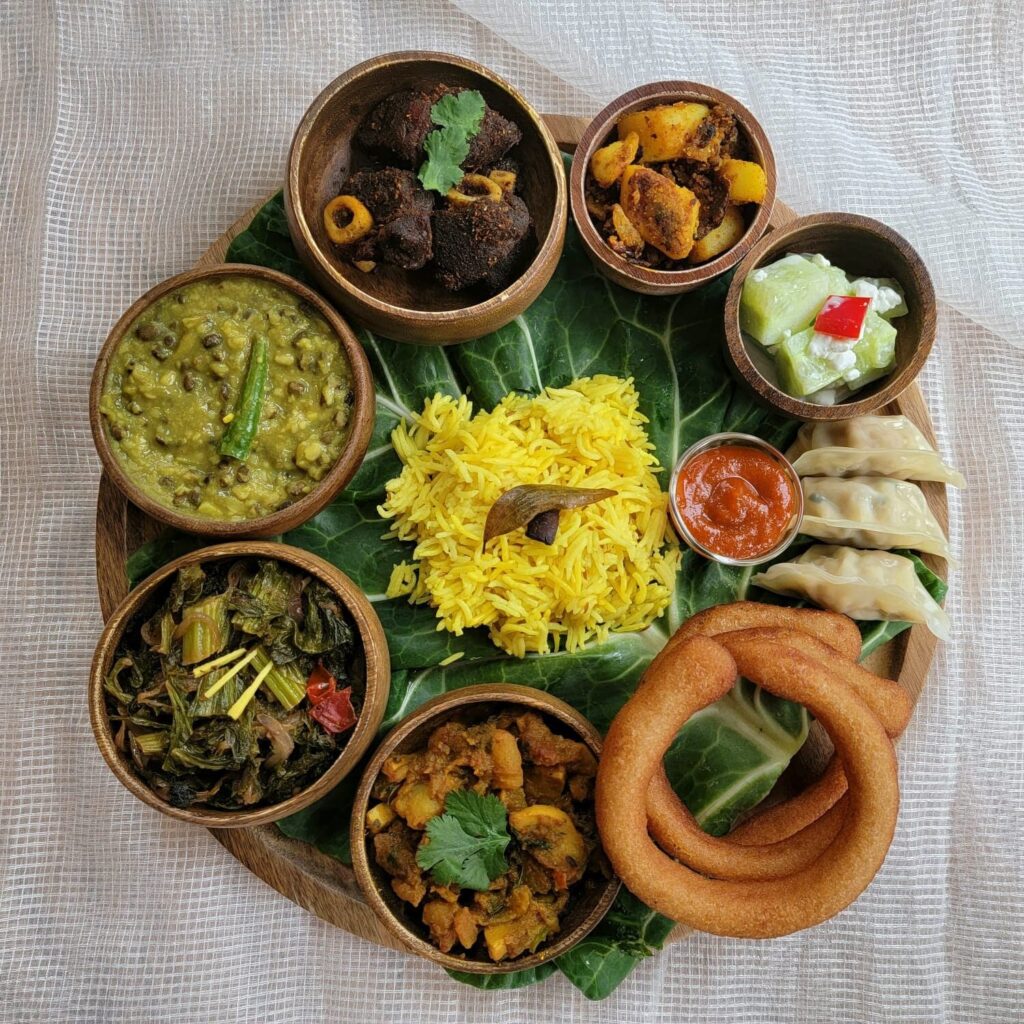
Nestled in northeastern India, Sikkim is a place known for its distinctive and savory cuisine in addition to its stunning landscapes and lively culture. Food from Sikkim is influenced by several different cultures, such as Indian, Tibetan, and Nepali methods. As varied as its people, Sikkim’s cuisine ranges from hearty savory entrees to delectable sweets that honor the area’s culinary legacy. This article will discuss the top ten Sikkimese traditional cuisines, with a focus on the state’s specialty meals, traditional foods, and well-known foods.
1. Momos: Sikkim’s Famous Food That Defines Sikkim’s Food Culture
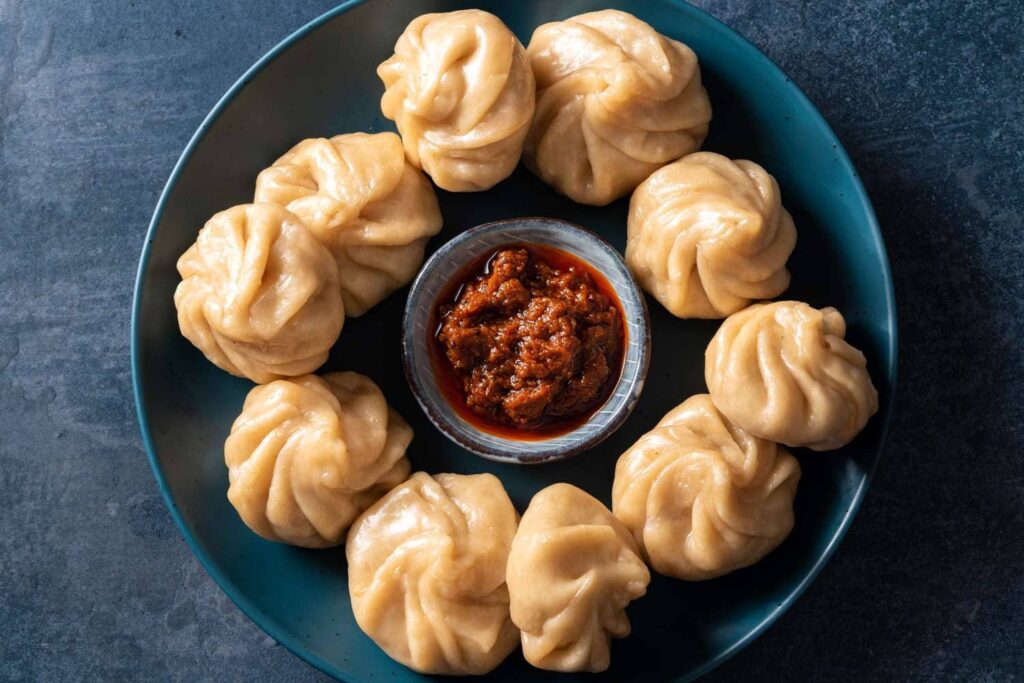
Momos, unquestionably one of Sikkim’s most famous food, have become synonymous with Sikkimese cuisine. These scrumptious dumplings, either steamed or fried, are packed with a variety of ingredients, including veggies, poultry, and pig. Momos are generally served with a tangy dipping sauce consisting of tomatoes and dried chiles, which perfectly complements their delicate flavor.
Momos are a fixture of Sikkim’s traditional cuisine scene, appearing in street stalls, family kitchens, and even high-end restaurants. Their appeal originates from their simplicity, great flavor, and versatility, making them a favorite snack among both locals and tourists. Momos, whether served as a fast snack or a full meal, are unmistakably a symbol of Sikkim’s cuisine culture.
2. Phagshapa: A Specialty of Sikkim in Traditional Pork Dishes
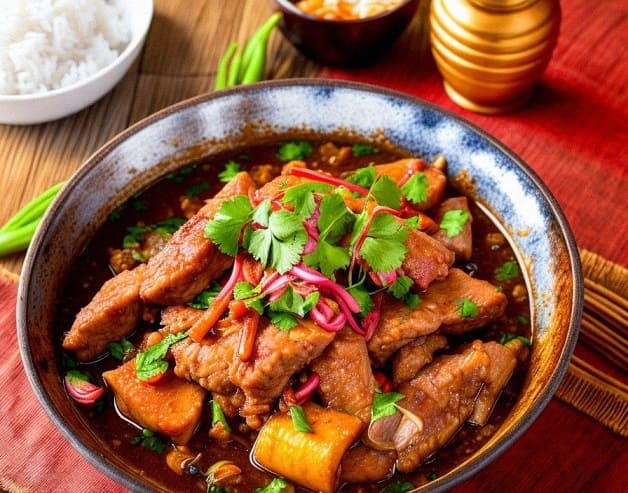
A traditional Sikkimese pork meal known for its soothing taste and depth of flavor is phagshapa. Dry chiles, radish, and pork belly combine to make this fragrant stew, which is a filling and substantial dinner. The radish gives the dish a little bite, and the slow-cooked pork softens as it absorbs the flavors and spices.
A staple of Sikkim cuisine, pagshapa is frequently served at festivals and family get-togethers. It is a dish that highlights the Sikkimese fondness of strong flavors and represents the region’s long-standing traditions. Among Sikkim’s well-known cuisine, this dish stands out due to its unusual ingredient mix.
3. Sikkim’s Traditional Thukpa: Comfort in a Bowl
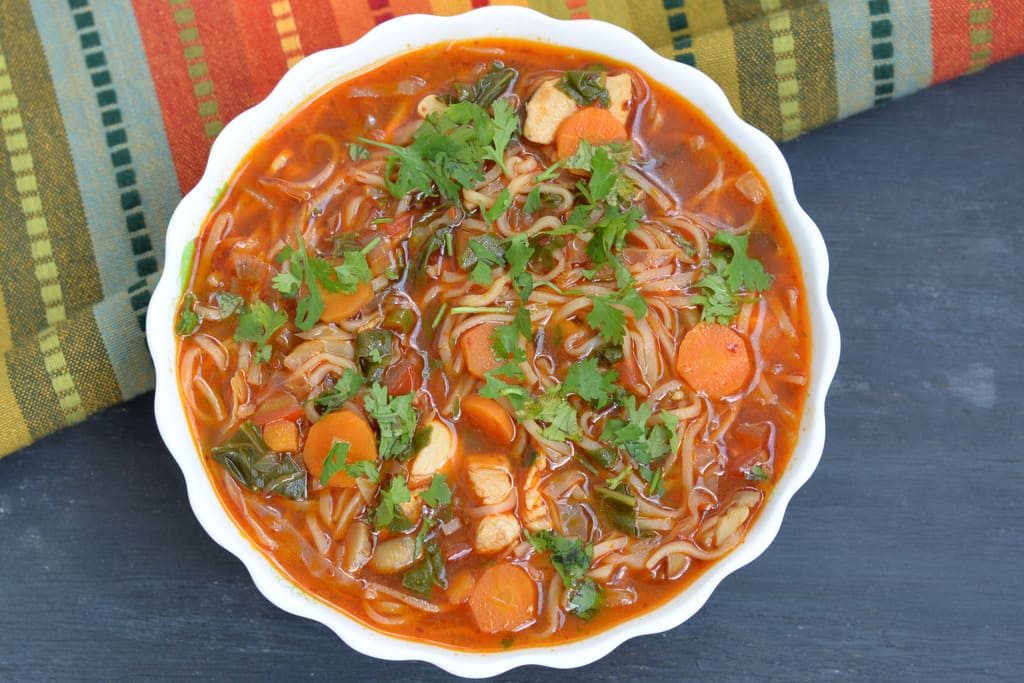
Thukpa is another well-known dish from Sikkim’s traditional cuisine. It is a thick noodle soup that comes from Tibetan cooking but has become a staple of Sikkim’s cuisine. Typically, thukpa is prepared with noodles, veggies, and a broth that can be either meatless or vegetarian. During the cold Sikkimese winters, the dish is perfect because it is served hot and frequently topped with fresh herbs.
Thukpa is praised for being nourishing and comforting due to its warming properties. With a delectable fusion of spices and flavors that showcase the region’s cultural richness, it’s among the best representations of Sikkim’s traditional cuisine.
4. Churpi: A Traditional Sikkimese Snack
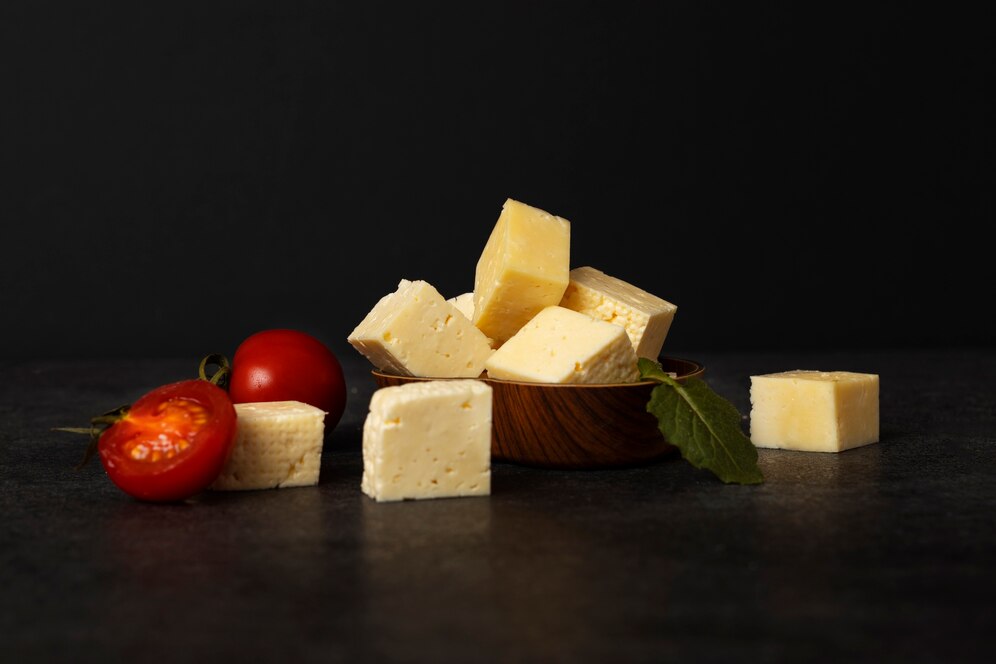
Churpi, a fermented cheese, is a common snack in Sikkim, where residents love it for its distinct flavor and chewy texture. It is fermented for a few days using either cow’s or yak’s milk. A staple of Sikkim cuisine, churpi can be eaten dried or added to a variety of recipes to give it a unique flavor.
A traditional snack from Sikkim, it provides a window into the pastoral way of life in the area. A warm cup of tea or a light snack while hiking over the Sikkim highlands is a common way to enjoy churpi.
5. Sel Roti: A Festival Favorite and Sikkim’s Traditional Sweet
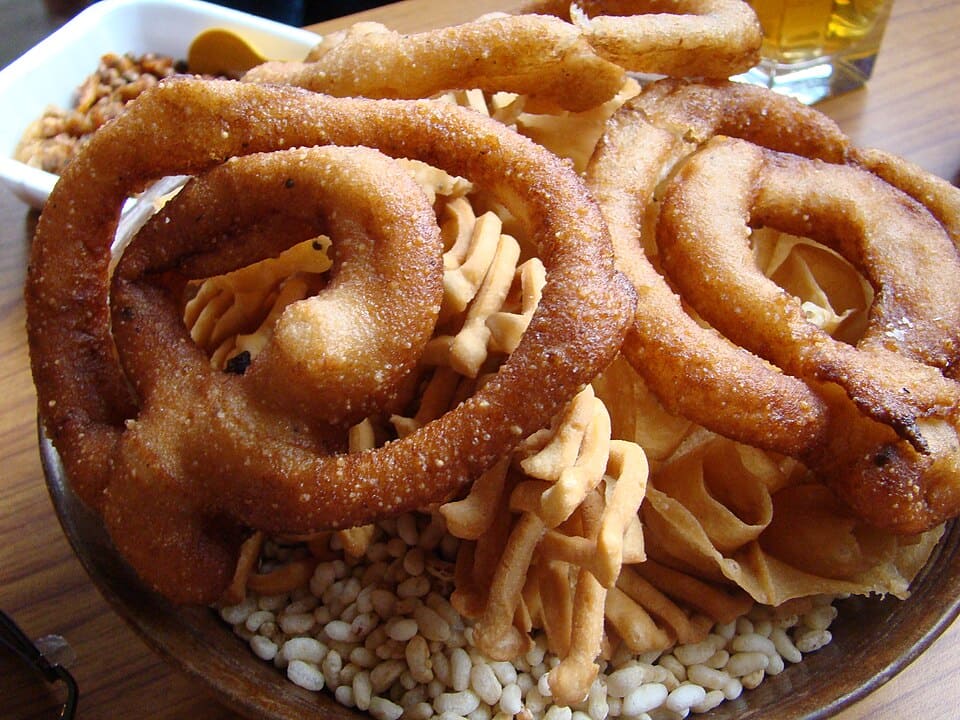
Locals have a particular place in their hearts for Sel Roti, a traditional Sikkimese dessert. A basic batter consisting of rice flour, sugar, and milk is used to make these rice doughnuts, which are then deep-fried till golden brown. It is a significant component of Sikkim’s culinary culture and is frequently served during festivals, weddings, and other special events.
Sikkim’s traditional sweet, sel roti, is an appealing delicacy because of its soft, somewhat crunchy texture and sugary sweetness. One of the best parts of Sikkim’s traditional cuisine, it offers a savory and sweet blend that works well for any occasion.
6. Gundruk: A Flavorful Fermented Vegetable Dish
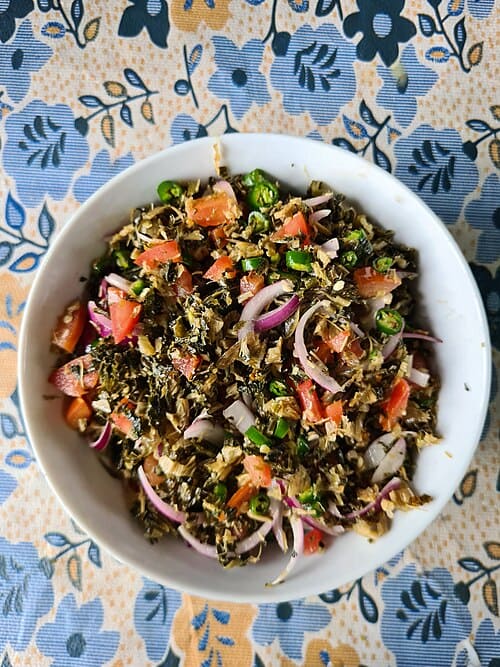
A classic Sikkimese cuisine, gundruk is made with fermented green vegetables, usually spinach or mustard. It gains a tangy and slightly sour taste as a result of the fermenting process. To improve a meal’s overall flavor profile, gundruk can be added to soups or curries and is frequently served as a side dish.
Because it uses locally available vegetables and turns them into a tasty treat, this meal exemplifies the simplicity and inventiveness of Sikkim cuisine. A key component of Sikkim’s traditional cuisine, gundruk highlights the area’s love of fermentation and winter food preservation.
7. Dhel: A Traditional Sikkimese Sweet
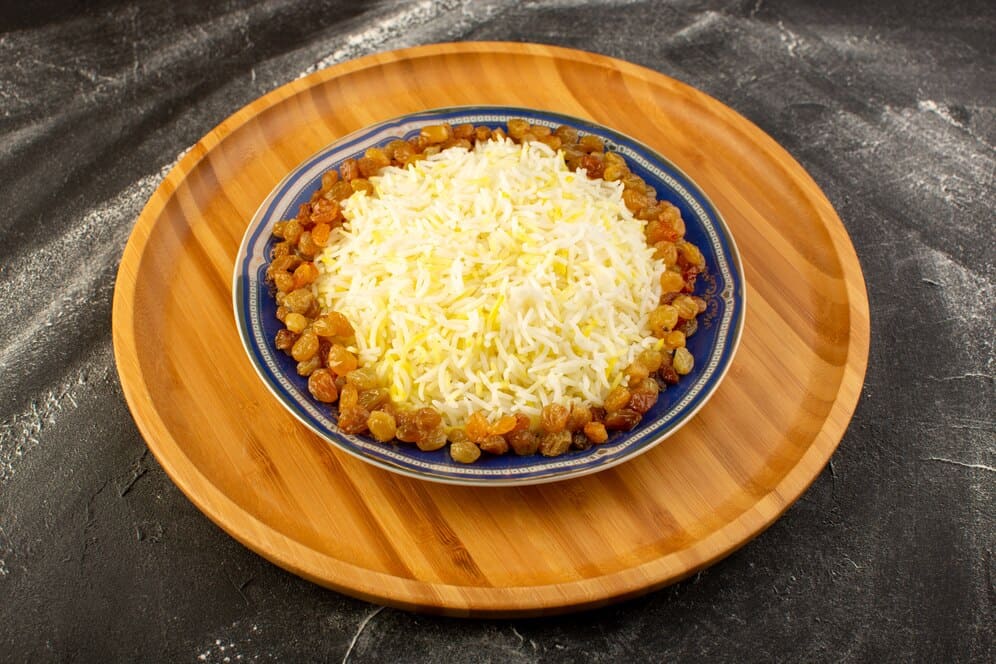
The sweet rice and jaggery dish known as dhel is a little-known yet incredibly beloved component of Sikkim’s cuisine. Rice is prepared by heating it with jaggery, which produces a sweet and satisfying dish. Often offered on important occasions, dhel is a mainstay in many Sikkimese households’ diets.
Dhel is a typical Sikkim dessert that exemplifies the region’s utilization of regional ingredients and age-old culinary techniques. With its straightforward yet tasty dessert and substantial cultural significance, it’s the ideal representation of Sikkim’s culinary tradition.
8. Chhang: A Cultural Beverage That’s a Specialty of Sikkim

Fermented rice is used to make the traditional Sikkimese alcoholic beverage known as chhang. This rice beer is a staple of Sikkim cuisine and is frequently offered during festivals, get-togethers, and celebrations. Chhang is made using a traditional method that has been handed down through the years, and it is a refreshing and joyous beverage.
The slightly alcoholic flavor of Chhang, a Sikkim delicacy, is appreciated for its capacity to unite people. Sipped slowly or shared with others, it’s one of the staple beverages of Sikkim’s renowned culinary scene.
9. Kinema: Fermented Soybean Dish
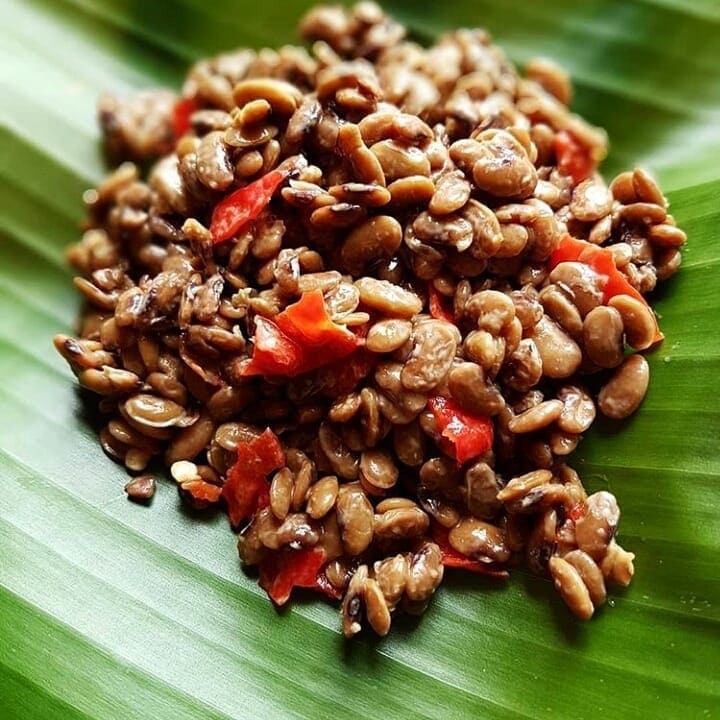
An important component of Sikkim’s traditional cuisine is kinema, a dish prepared from fermented soybeans. Many traditional Sikkimese foods have a rich, pungent flavor that comes from the beans’ several days of fermentation. Kinema gives meals a distinct flavor and is commonly used in soups, curries, and even salads.
This meal made from fermented soybeans embodies Sikkim’s custom of using fermentation to preserve food, which enables ingredients to be kept for extended periods of time. With its traditional cooking methods, Kinema is a perfect illustration of Sikkim’s culinary culture.
10. Tungba: A Must-Try Drink in Sikkim
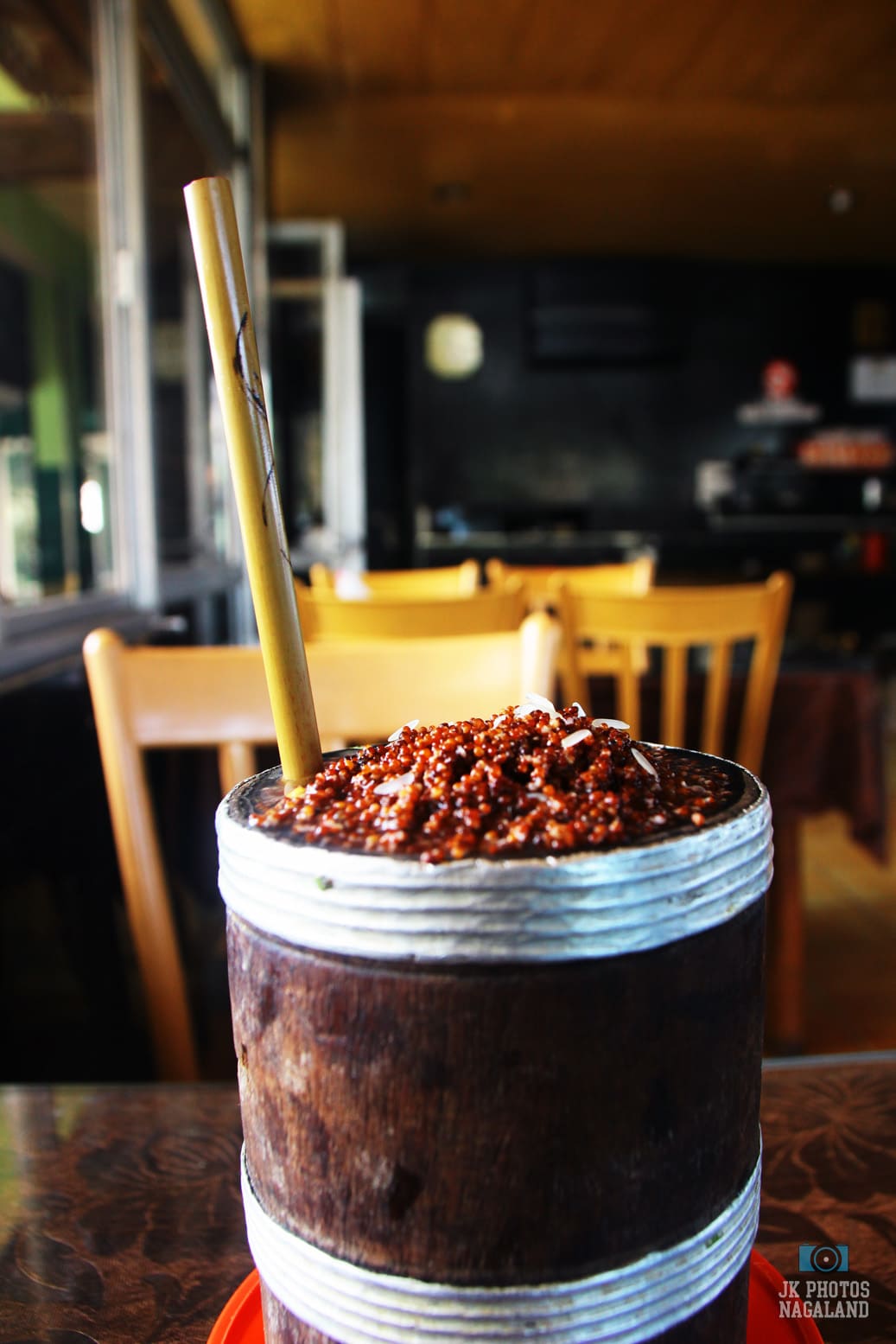
A traditional Sikkimese beverage, tungba is produced from fermented millet. It is a common beverage in Sikkim’s colder regions, particularly in the mountain villages, where people drink it to stay warm throughout the winter. Millet is fermented in order to make Tungba, which is then served warm with water, frequently in a bamboo container.
Tungba, one of Sikkim’s main specialty dishes, showcases the area’s inventive use of regional ingredients. It is a delicious beverage that gives you energy and warmth, and it is a staple of Sikkim’s well-known culinary tradition.
Sikkim’s food is a vibrant tapestry of flavors, influenced by the various ethnic groups that call this region home. From the savory dishes like momos and Phagshapa to the sweet delights like Sel Roti and Dhel, each dish tells a story of Sikkim’s rich cultural heritage. These traditional foods are not just meals but a representation of the region’s traditions, history, and the hospitality of its people. Whether you’re exploring Sikkim’s famous food or indulging in its specialty dishes, every bite offers a taste of the unique charm of this beautiful state. If you’re planning to visit Sikkim, make sure to try these top 10 traditional foods to truly experience the essence of Sikkim’s food culture.