
What routes stay open during winter travel in the Himalayas. Learn about November road conditions in India, Nepal, and Bhutan, how locals maintain trails, and essential tips for safe, responsible mountain travel.
Picture this: You’re standing at the edge of a snow-draped valley in November, breathing in crisp mountain air while most travelers have already fled to warmer destinations. The crowds are gone. The prices have dropped. And the Himalayas? They’re more beautiful than ever, wrapped in their winter blanket of pristine white.
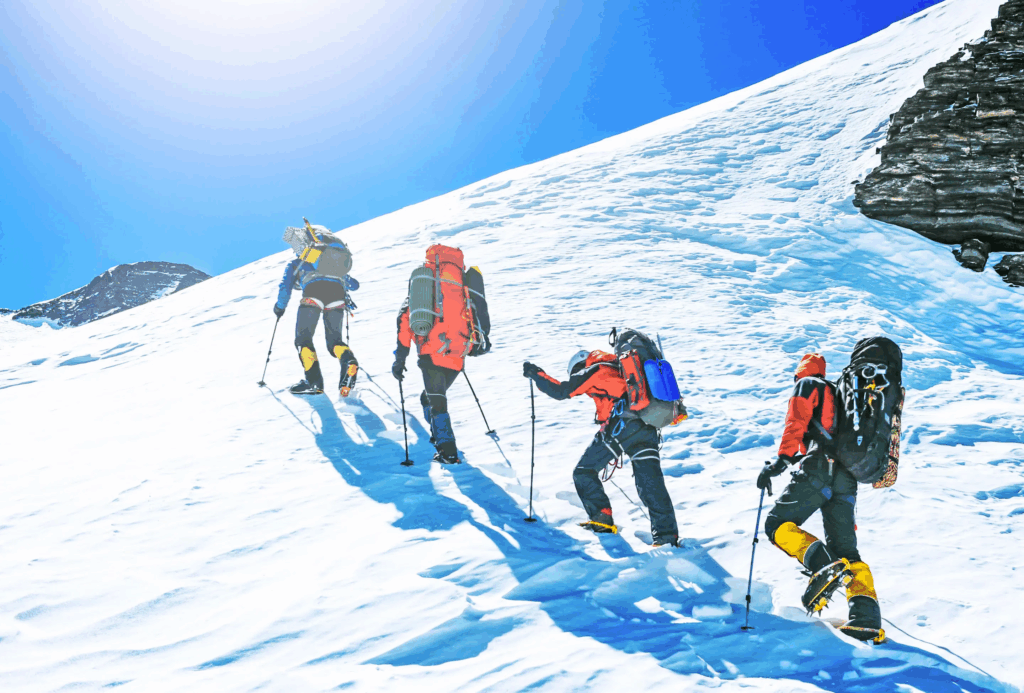
But here’s the surprising truth; winter trekking in the Himalayas typically runs from November until the end of March, and it offers some of the most rewarding experiences for those willing to brave the cold. While summer trekkers deal with monsoon rains and crowds, winter adventurers get clear skies, dramatic snow-covered landscapes, and an almost meditative solitude.
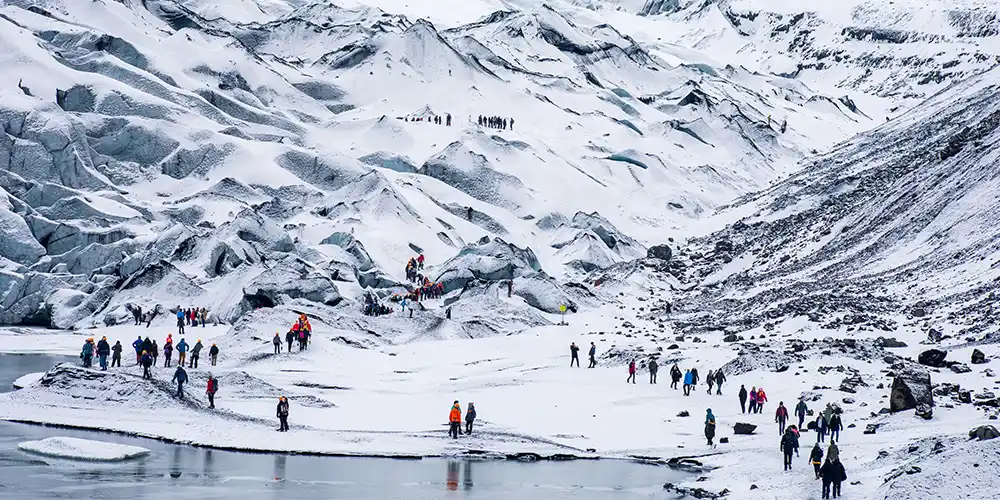
What Closes and What Stays Open
November marks a turning point in the Himalayas. It’s the month when some doors close while others remain wide open. Understanding this rhythm is crucial for planning your winter adventure.
The Roads That Sleep
The Leh-Manali National Highway officially closes from December 7, 2024, marking the start of winter hibernation for one of India’s most iconic mountain routes. The Border Roads Organisation flags several stretches including Jingjingbar–Sarchu, Gulaba–Rohtang, and Gramphoo–Losar as high-risk zones where early snow buildup, black ice, and plunging temperatures make driving treacherous.
This isn’t just bureaucracy at work. By mid-November, water on road surfaces begins freezing, creating invisible death traps even during daylight hours. The highway, which climbs to over 17,000 feet, won’t reopen until late May or June.
But here’s what many travelers don’t realize; closure doesn’t mean complete isolation.
The Trails That Never Sleep
While major highways shut down, numerous trekking routes remain accessible throughout November and beyond. The Kedarkantha Trek runs from December through April, offering what many consider the quintessential winter Himalayan experience. The Nag Tibba Trek operates from mid-November through March, perfect for those seeking their first winter adventure.
In Nepal, the Langtang Valley trek’s highest point at Kyanjin Gompa sits at just 3,830 meters, giving it advantages of less extreme temperatures and reduced altitude sickness risk. The lower elevation means you can trek comfortably even as winter deepens.
The difference? These trails were designed by locals who’ve been walking them for centuries, not engineered for vehicles crossing impossible heights.
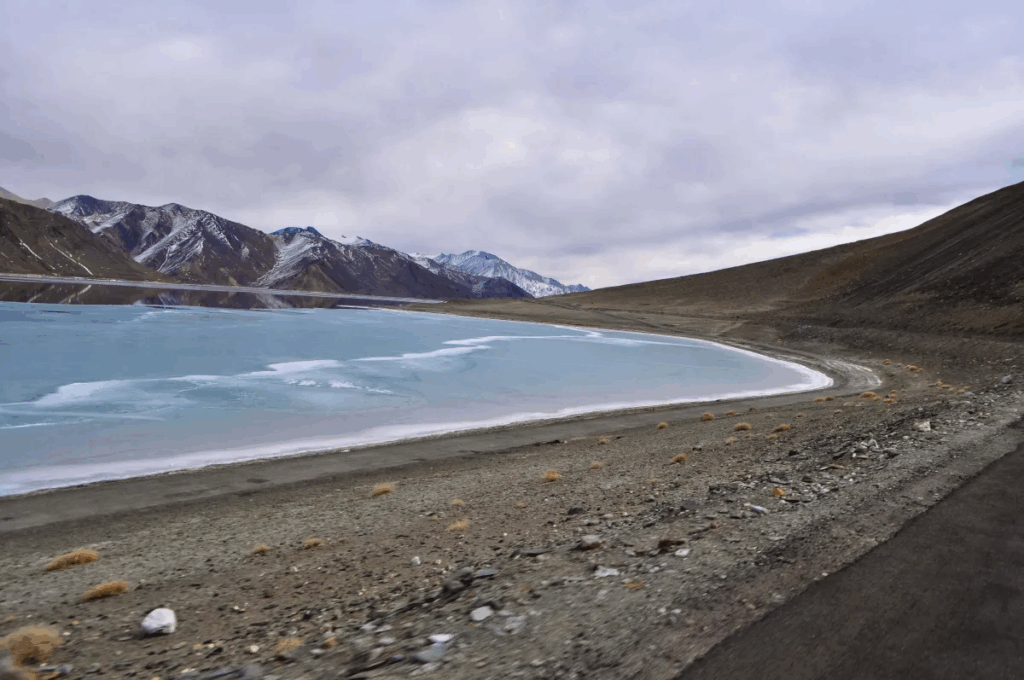
The Sweet Spot Month
November holds a special place in the Himalayan calendar. It’s not quite winter, but summer has definitely left the building.
India’s Mountain States
In Uttarakhand, December is considered a good time for winter treks, as the weather is generally clear and there is snow. But November offers something unique; you get the clarity without the extreme cold. Temperatures hover between comfortable and challenging, perfect for acclimatization.
The Dayara Bugyal Trek, considered one of the easiest winter treks for beginners and family groups, transforms into an endless white canvas by late November. Walking across snow-laden meadows feels like stepping into a different world; one where time moves slower and worries melt away like spring snow.
Nepal’s High Country
In Nepal, winter typically spans from late November to February. November sits at the threshold, offering the best of both worlds. The Annapurna Circuit shines with clear skies that make crossing Thorong La pass easier, and you’ll find traditional village life continuing along the trail.
The monsoons have cleared out. The heavy winter snows haven’t yet arrived. And the views? Absolutely spectacular. Crystal-clear air means you can see peaks that remain hidden during other seasons.
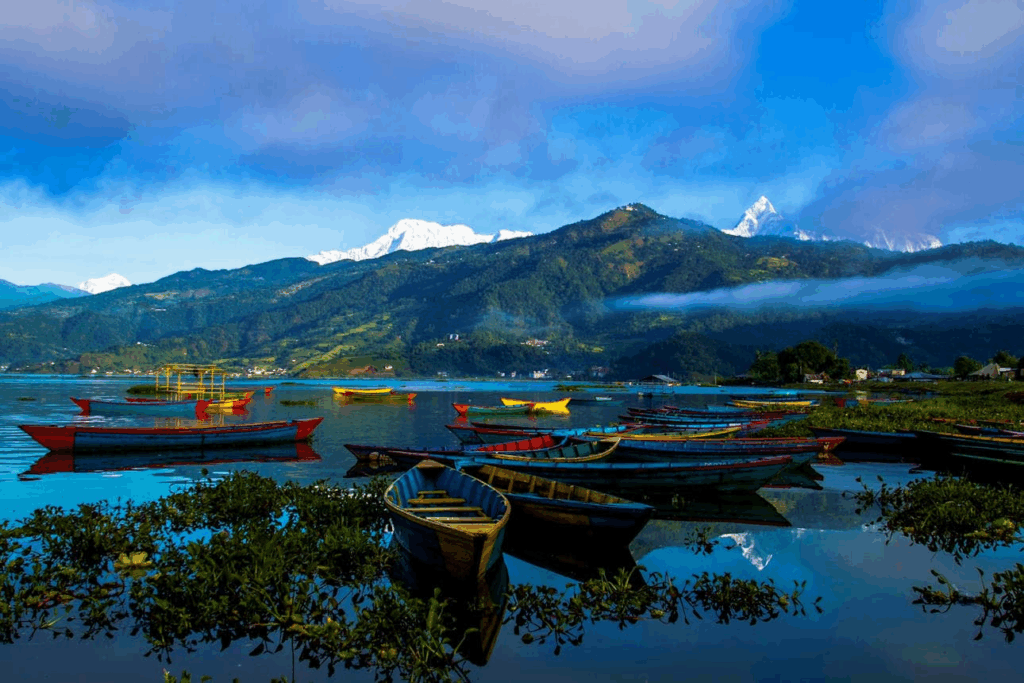
Bhutan’s Balanced Climate
November indicates the onset of winter in Bhutan, with temperatures gradually dropping as the month progresses. Despite the chill in the air, travelers can still enjoy outdoor activities such as trekking and sightseeing, as the crisp mountain air and clear skies offer ideal conditions for exploration.
November is perfect for birdwatchers, as black-necked cranes migrate to the Phobjikha Valley for winter. The celebrated Black-necked Crane Festival takes place this month, offering a rare cultural experience most travelers miss.
How Locals Keep Trails Alive
Ever wondered how these mountain paths stay passable when everything else freezes solid? The answer lies in generations of knowledge and modern innovation working together.
The Border Roads Organisation Magic
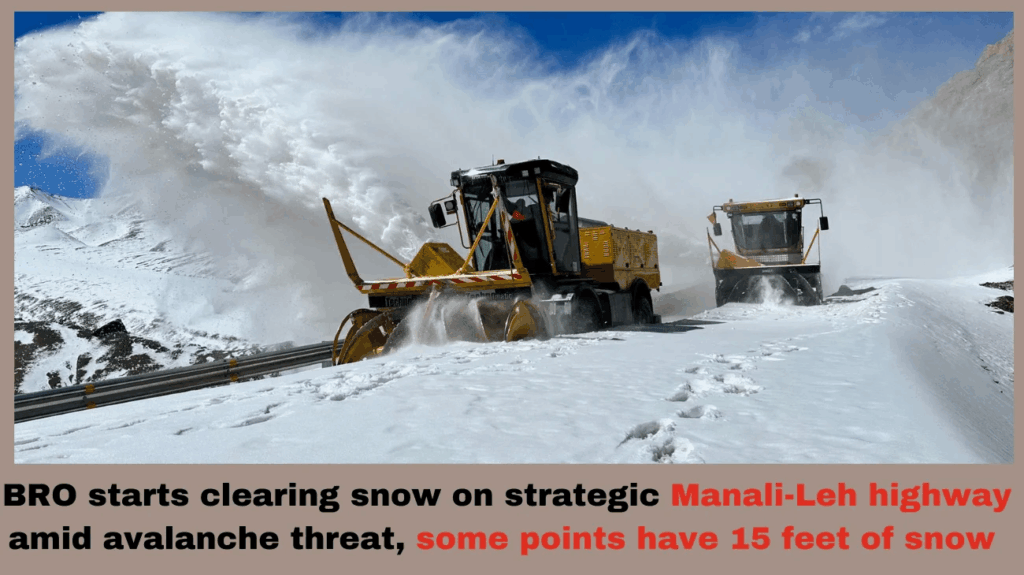
The Border Roads Organisation isn’t just an agency; it’s a winter lifeline. BRO’s Project Himank is responsible for road construction and maintenance in southern Ladakh. Their operations are nothing short of heroic.
In 2025, Project Himank’s teams cleared over 431 km of the Manali-Leh highway, removing snow depths up to 15 meters between March 20 and May 13. Picture that; 15 meters of snow. That’s taller than a four-story building.
BRO uses geotagging waypoints allowing snow-clearing machinery to stay accurately on the road while the road is covered with snow with steep cliff-face gorges. When you can’t see the road because it’s buried under 30 feet of snow, GPS becomes your only guide. One mistake and machinery tumbles into valleys thousands of feet deep.
Traditional Knowledge Meets Modern Tech
But technology alone doesn’t keep trails open. During summer months, local people bring animals up to high summer pastures to graze, often constructing temporary shepherd’s huts to watch their animals and later abandoning the huts with the coming of winter.
These seasonal movements create natural pathways. Locals know which routes face south and melt first. They understand wind patterns that keep certain slopes clear. This knowledge, passed down through generations, is what makes winter trekking possible.
The Sherpa communities, in particular, have perfected the art of winter mountain living. They know how to read snow conditions, predict weather changes, and find shelter when storms roll in unexpectedly.
What Travelers Need to Know
Planning winter travel requires understanding the language of mountain conditions. Here’s your decoder ring.
Road Classification System
Not all “open” roads are equal. As of December 2024, tourists can travel from Manali to Zingzingbar only with 4X4 vehicles. Beyond that point, even four-wheel drive isn’t enough.
Some routes allow traffic only during specific hours. Vehicles from Darcha check post are allowed only from 9 AM to 1 PM, and tourists can travel to Shinkula pass from 9 AM to 1 PM only with 4X4 vehicles. This isn’t arbitrary; it’s when temperatures peak and ice is least dangerous.
The Altitude Factor
December to January boasts the clearest skies for photography and the coldest temperatures, frequently falling below -5°C above 4000m. But here’s the catch; many locals who live above 4000m in the warmer months begin to move down during December.
If even the locals are descending, that tells you something about winter conditions at extreme altitudes. Your November trek should consider this wisdom.
Weather’s Wild Card
Weather in the Himalayas is as close to legitimate sorcery as any of us will see in our lifetimes, incredibly unpredictable and can turn on a dime. In March, early spring rain brings the first rhododendron blooms at lower elevations, but occasional heavy rain and blizzards sweep over the mountains, sometimes closing passes for weeks.
The lesson? Always have a Plan B. And a Plan C. Mountain weather respects no schedule.
Responsible Winter Travel
With fewer tourists comes greater responsibility. Winter travelers carry the reputation of all who follow.
Leave No Trace (Especially in Snow)
The Himalayas are strewn with empty plastic bottles left behind by irresponsible trekkers. In winter, trash doesn’t decompose; it freezes in place until spring thaw reveals the ugliness beneath.
Bring a water bottle and purification system. Pack out everything you bring in. The snow preserves your mistakes forever.
Support Local Economies
Winter is an off-season, so you’ll get better prices and deals on flights, accommodations, and trekking packages, plus much better hospitality due to limited people. This isn’t just about saving money; it’s about supporting communities during their lean months.
Stay in local guesthouses. Eat at family-run restaurants. Hire local guides. Your rupees matter more in winter when tourism slows to a trickle.
Respect the Altitude
Acute Mountain Sickness is a risk on any route that climbs above 2,500m. Winter makes this worse. Cold constricts blood vessels. You dehydrate faster in dry mountain air. Your body works harder just to stay warm.
Ascend slowly. Drink more water than seems necessary. Listen to your body’s whispers before they become screams.
Cultural Sensitivity
Many of the great Himalayan peaks, such as Mount Everest, known as Chomolungma, are worshipped as protective deities for numerous gods in Sherpa religion. These aren’t just mountains; they’re sacred spaces.
Walk clockwise around religious monuments. Ask before photographing people. Dress modestly when visiting monasteries. Your respect matters more than your Instagram feed.
Gear and Preparation
Theory meets reality in your backpack. Here’s what winter travel actually requires.
Layering is Life
Layers are key; pack thermals, warm sweaters, fleece jackets, and a waterproof outer shell. Temperatures can swing 30 degrees from day to night. You need clothing you can add and remove constantly.
Don’t forget winter accessories; warm beanie, gloves, scarf, sunglasses, and comfortable hiking boots are essential. Wool socks aren’t optional; they’re survival gear. Consider gaiters for potential snow encounters.
The Hidden Essentials
Hand and foot warmers, and a reusable water bottle are handy. Chemical warmers can mean the difference between enjoying sunset views and rushing back to shelter with numb fingers.
Bring more batteries than you think you’ll need. Cold drains them faster. Keep your phone close to your body; cameras and devices die quickly in extreme cold.
Physical Preparation
Trekking in the Himalayas can be physically and mentally challenging, especially if you’re not used to the high altitude, steep slopes, and rugged terrain. Start training months in advance. Walk stairs with a loaded backpack. Build cardiovascular endurance.
But physical fitness is only half the equation. Mental preparation matters just as much. Can you handle hours of walking in silence? Are you comfortable with basic accommodations? Can you stay positive when everything goes sideways?
November’s Hidden Advantages
Why choose November when you could wait for spring? Because winter offers gifts summer can’t match.
The Solitude Factor
With fewer crowds, clear skies, panoramas painted in pristine white, and dramatic terrains, these winter treks are equally intriguing. Popular trails that feel like highways in October become peaceful paths in November. You might hike for hours without seeing another trekker.
This solitude isn’t loneliness; it’s communion with landscape. It’s space for thoughts to settle. It’s why many experienced trekkers prefer winter despite the challenges.
Photography Paradise
With the stable weather conditions, trekkers can witness beautiful panoramas of Langtang Lirung, Ganesh Himal, Langtang II, Yala Peak, and more. Clear winter air creates visibility impossible during other seasons. Mountains 100 kilometers away stand sharp against blue skies.
The quality of light changes too. Low sun angles create dramatic shadows. Snow reflects light in magical ways. Your photos will look professional without much effort.
Cultural Immersion
There are chances of stumbling upon local celebrations of vibrant winter festivals like Lhosar and Maghe Sankranti. Winter is the season of Punakha Dromche and Tshechu, a festival that marks the founding of Bhutan during the 16th century.
When you’re one of few travelers, locals have time for genuine interaction. You’re not just another tourist taking selfies; you’re a guest worth knowing.
The Realistic Challenges
Honesty demands acknowledging what winter travel truly requires.
When Roads Become Impassable
Heavy snowfall can temporarily shut down some roads, particularly higher mountain passes. In the mountains, sharp curves, limited visibility and narrow roads create dangerous road conditions, particularly in winter and during the rainy season.
Consider flexible travel plans and alternate routes. Build buffer days into your itinerary. Accept that plans will change. Fighting this reality only creates frustration.
The Comfort Compromise
Winter accommodations range from acceptable to Spartan. Himalayan teahouses provide thin mattresses and blankets, but rooms are rarely heated, and a quality sleeping bag will help ensure a cozy night’s sleep. A four-season rated sleeping bag isn’t luxury; it’s necessity.
Toilets may be outside. Water might freeze overnight. Showers become rare luxuries. If this sounds daunting, winter trekking might not be for you. But if it sounds like adventure, you’re in the right mindset.
The Physical Toll
The constant and dramatic changes in elevation is draining, especially on a low-calorie diet. Winter requires more calories just to stay warm, but appetite often decreases at altitude. You’ll lose weight. Your body will hurt in new ways.
This isn’t meant to scare you; it’s meant to prepare you. Know what you’re signing up for. Train accordingly. Set realistic expectations.
Climate’s New Reality
The Himalayas aren’t frozen in time. They’re changing, and so must our approach.
Unpredictable Weather
In recent years locals throughout the Himalaya have begun believing that traditional weather patterns are becoming more unpredictable. Many locals now consider climate change to be the biggest risk to their livelihoods.
Traditional opening and closing dates for routes mean less than they once did. Snowfall patterns have shifted. Monsoons arrive late or end early. The old certainties no longer hold.
Glacial Recession
There are obvious examples of glacial recession and it is obvious that the mountains are changing. Routes that crossed stable ice fields now navigate unstable terrain. Water sources that flowed reliably have dried up or changed location.
This isn’t abstract environmental concern; it’s concrete travel planning challenge. Routes described in five-year-old guidebooks may no longer match current reality.
Adapting to Change
The solution? Stay flexible. Get current information from local sources, not just guidebooks. Always check the latest weather forecast before confirming your itinerary. Follow social media accounts of local trekking companies for real-time updates.
Build contingency plans. Have alternate routes ready. Accept that perfect conditions are rare; good-enough conditions are the new normal.
Your November Action Plan
Knowledge without action is just entertainment. Here’s how to turn this information into your winter adventure.
Three Months Before
Research routes matching your fitness level. Choose a trek that is enjoyable, challenging but not too difficult, and suitable for your fitness level and experience. Contact reputable local companies for current conditions.
Book permits early. Some protected areas limit winter visitors. Arrange travel insurance that covers high-altitude trekking. Start your physical training program.
One Month Before
Finalize gear. Test everything before you leave. Break in new boots. Practice setting up your tent in cold conditions if camping. Study route maps until you can visualize each day’s trek.
Get comprehensive medical checkups. Update vaccinations. Fill prescriptions with extra buffer. Prepare digital and physical copies of important documents.
Arrival Week
Spend minimum two days acclimatizing in gateway cities. Without proper acclimatization, altitude sickness can ruin trips or worse. Use this time for final gear purchases, permit collection, and meeting your guide team.
Check current weather forecasts. Confirm transportation schedules. Verify accommodation bookings. Touch base with emergency contacts back home.
Resources for Deeper Learning
Want to go beyond this article? Here are additional resources worth exploring.
YouTube Channels
Search for “Himalayan winter trekking” on YouTube to find detailed trail videos. Look for channels by Indian and Nepali trekking companies; they offer ground-level reality, not just promotional content. Videos showing actual trail conditions in November are particularly valuable.
Watch gear reviews from people who’ve actually tested equipment in Himalayan winters, not just temperate mountain ranges. The cold here is different; drier, more intense, more demanding.
Official Updates
Monitor the Border Roads Organisation website for highway status updates. Check District Administration websites for local advisories. Follow weather services like Everest Weather for forecasts.
Join online forums where trekkers share recent experiences. Facebook groups dedicated to Himalayan trekking provide real-time crowd-sourced information worth more than outdated guidebooks.
Local Knowledge
Connect with trekking companies based in mountain communities, not just cities. These operators have guides who live in trek regions year-round. Their knowledge is current, local, and invaluable.
Consider hiring guide services even if you’re experienced. It is mandatory to hire a registered guide to enter the core zone of parks in many protected areas. Beyond legal requirements, guides provide safety and cultural insights worth far more than their cost.
The November Invitation
November in the Himalayas isn’t for everyone. It demands more preparation, more flexibility, more resilience than summer trekking. It offers less comfort, less certainty, less hand-holding.
But for those willing to meet its challenges, November offers rewards no other season can match. You’ll see the mountains few others witness. You’ll walk in silence most travelers never experience. You’ll test yourself in ways that build confidence extending far beyond trekking.
The landscapes transform into a winter wonderland and allow you to experience a completely different yet true experience of the Himalayas. This is the Himalayas at their most honest; beautiful, brutal, uncompromising, and utterly unforgettable.
The routes are there. The locals are ready. The mountains are waiting. The only question is: Are you?
Comments from Nikhil Raj Sharma, Founder, Himalayan Geographic:
“Winter travel in the Himalayas represents both challenge and opportunity. As someone who’s spent decades documenting these mountains, I’ve witnessed how November creates a unique window for responsible tourism. The key is understanding that ‘open’ doesn’t always mean ‘easy’; it means accessible with proper preparation. What excites me most is seeing travelers embrace winter with respect rather than bravado. The Himalayas reward preparation, patience, and humility. They punish shortcuts and arrogance. When you approach November travel with the right mindset, you’re not just seeing the mountains; you’re joining a centuries-old tradition of people who’ve learned to live with winter rather than fight against it.”
“I encourage every reader to consider local impact when planning their trek. The communities keeping these trails functional during winter months deserve our support and respect. Book through local operators. Stay in family-run guesthouses. Listen to village elders who know these mountains better than any guidebook. Winter tourism can either strain struggling communities or provide crucial off-season income. The choice lies with each traveler. Choose wisely, trek responsibly, and these mountains will reveal wonders summer tourists never imagine.”
Share Your Winter Story
Have you trekked the Himalayas in November? What surprised you most? What advice would you give future winter travelers? Share your experiences in the comments below and help build our community knowledge!
“We strive to use only images that are either royalty-free, in the public domain, or shared with appropriate permissions. However, if you believe any image on this website has been used without proper credit or violates copyright, please contact us immediately. We will promptly review the content and, if necessary, update the attribution or remove the image without delay. We do not claim ownership of any third-party images unless explicitly stated.”
