
Winter trekking in the Himalayas demands respect for nature’s fury. Learn early symptoms of frostbite, altitude sickness, and avalanche safety; plus smart packing tips from experienced mountain guides.
The Mountain Doesn’t Care About Your Instagram Grid
Last winter, a trekker from Mumbai reached Kedarkantha summit wearing canvas sneakers and a cotton hoodie. He thought the Himalayas would be like a Bollywood snow song; romantic, manageable, over in three minutes. Six hours later, rescue teams found him shivering uncontrollably at 11,000 feet, his fingers turning an alarming shade of white. He survived, but barely.
Here’s the hard truth: winter in the Himalayas kills more unprepared adventurers than any other season. According to the Himalayan Rescue Association, over 60% of trekking emergencies between December and February involve hypothermia, frostbite, or altitude-related complications. The mountains are stunning, yes; but they’re also brutally unforgiving when you don’t respect their power.
Whether you’re a seasoned trekker or planning your first winter adventure, this guide will teach you how to recognize danger before it’s too late, pack like your life depends on it (because it does), and understand why local guides aren’t just helpful; they’re essential.
Why Winter Makes Everything Harder
The Himalayan winter transforms familiar trails into alien landscapes. Temperatures can plummet to -20°C or lower at high altitudes. Wind chill factors make it feel even colder, sometimes reaching -40°C equivalent. Your body burns 30-40% more calories just trying to stay warm, and dehydration sneaks up faster because cold air holds less moisture.
But here’s what most people don’t realize: winter doesn’t just make things cold; it makes everything unpredictable. Snowfall can hide trail markers within minutes. Frozen water sources force you to melt snow for drinking water. The same beautiful powder that creates Instagram-worthy photos also creates avalanche conditions that can bury an entire group in seconds.
The combination of extreme cold, reduced oxygen at altitude, and challenging terrain creates a perfect storm of risks. Understanding each hazard individually gives you the knowledge to prevent tragedy.
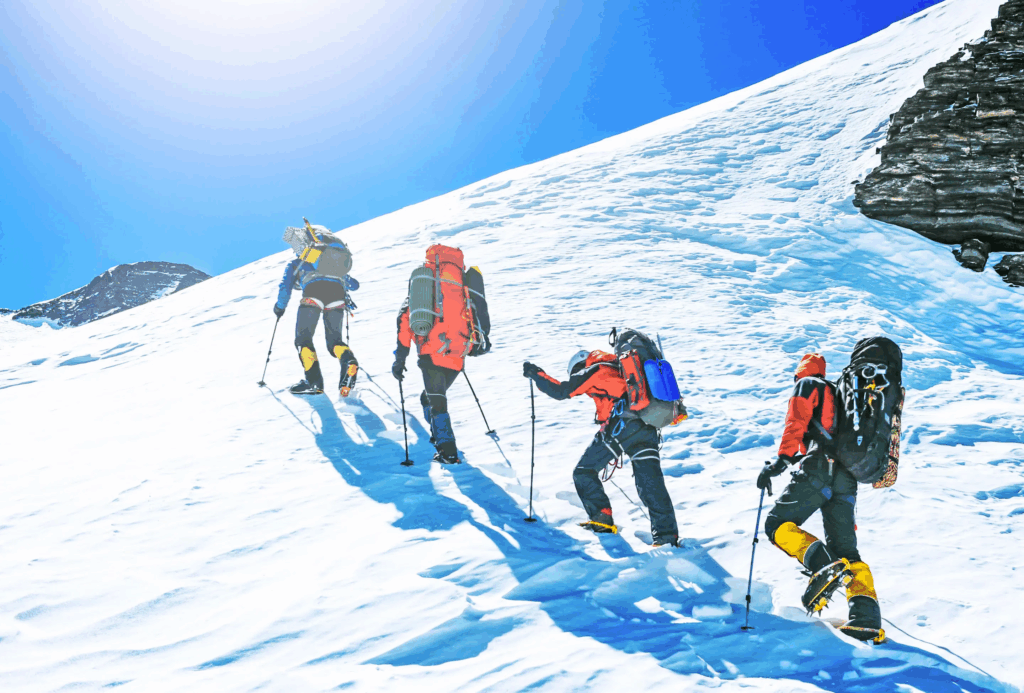
Beautiful But Deadly
When White Turns Dangerous
Fresh snow looks harmless, even magical. But beneath that pristine surface, complex layers tell a story of temperature changes, wind patterns, and structural weakness. Avalanches kill approximately 150 people worldwide each year, and the Himalayas account for a significant portion of these deaths.
Understanding avalanche terrain requires recognizing three key factors:
- Slope angle: Most avalanches occur on slopes between 30-45 degrees
- Recent snowfall: More than 30 cm of new snow increases risk dramatically
- Temperature fluctuations: Rapid warming after cold snaps destabilizes snowpack
Local guides can read these signs like you read your phone screen. They notice subtle changes in snow consistency, test slopes before crossing, and know which hours are safest for travel. This isn’t superstition; it’s survival science passed down through generations.
The Hidden Danger
Here’s something most trekking guides don’t emphasize enough: you can go temporarily blind from snow reflection. UV radiation bounces off snow with 80% reflectivity, essentially giving your eyeballs a sunburn. Symptoms include severe pain, light sensitivity, and vision loss that can last 24-48 hours.
Prevention is simple: wear UV-blocking sunglasses or goggles every single day, even when it’s cloudy. Pack a backup pair. This isn’t vanity; it’s vision preservation.
Watch this survival expert explain snow science basics
Frostbite
The Timeline Nobody Talks About
Frostbite doesn’t announce itself with sirens. It creeps in quietly, politely, while you’re distracted by summit fever or taking photos. Understanding the progression can mean the difference between full recovery and permanent tissue loss.
Stage 1: Frostnip (Reversible)
- Skin turns pale or red
- Numbness and tingling
- Pain when warming
- No permanent damage if treated quickly
Stage 2: Superficial Frostbite
- Skin feels hard but tissue beneath remains soft
- Blistering within 24-36 hours
- Skin may appear blue or purple
- Recovery possible with proper treatment
Stage 3: Deep Frostbite (Severe)
- Complete numbness
- Skin and underlying tissue frozen solid
- Black, dead tissue visible
- Often requires amputation
Most people wait too long because they think, “I’m tough, I can handle this.” By the time they realize something’s wrong, the damage is already spreading deeper into tissue.
The Five-Minute Body Check
Every hour in extreme cold, do this quick self-assessment:
- Wiggle all your toes inside your boots
- Make fists and flex all fingers
- Touch your nose, ears, and cheeks; they should hurt a little, not feel numb
- Check your buddies’ faces for white patches
- If anything feels wrong, address it immediately
Your extremities; fingers, toes, nose, ears, cheeks; freeze first because your body prioritizes keeping your core warm. Pay attention to these warning zones.
Learn proper frostbite first aid from medical professionals

Altitude
How High Becomes Too High
You can’t see altitude sickness coming. There’s no visible threat, no obvious danger. One moment you’re hiking normally, the next you’re dizzy, nauseous, and your head feels like it’s splitting open. Acute Mountain Sickness (AMS) affects roughly 25% of trekkers above 8,000 feet, with that percentage climbing sharply above 10,000 feet.
Winter makes altitude problems worse because:
- Cold air contains less oxygen per breath
- Dehydration happens faster in dry, cold conditions
- Your body expends more energy staying warm, requiring more oxygen
- Shorter days mean less time to acclimatize at each elevation
The Lake Louise Scoring System helps quantify AMS symptoms:
Mild AMS (3-5 points):
- Headache
- Nausea or loss of appetite
- Fatigue
- Dizziness
Moderate to Severe AMS (6+ points):
- Debilitating fatigue
- Severe headache
- Vomiting
- Shortness of breath at rest
If you score in the moderate range, you must stop ascending. If you continue climbing, you risk developing High Altitude Pulmonary Edema (HAPE) or High Altitude Cerebral Edema (HACE); both can be fatal within hours.
The Golden Rules of Altitude
Climb high, sleep low. You can day-hike to higher elevations, but always return to a lower altitude for sleeping. This gives your body time to produce more red blood cells and adapt.
Hydrate aggressively. Aim for 4-5 liters of water daily at altitude. Your urine should be clear or pale yellow. Dark urine means you’re behind on hydration.
Listen to your body, not your ego. Summit fever has killed more experienced climbers than any technical challenge. If symptoms worsen, descend immediately; don’t wait for morning, don’t wait to see if it gets better. Going down even 1,000-1,500 feet often brings rapid improvement.
Understanding altitude sickness with expert climbers
Hypothermia
When Your Core Temperature Drops
While frostbite attacks extremities, hypothermia shuts down your entire system. Your core body temperature drops below 35°C (95°F), and your organs start failing. The terrifying part? Advanced hypothermia affects your brain first, making you unable to recognize you’re in danger.
Mild Hypothermia (35-32°C):
- Uncontrollable shivering
- Confusion and memory loss
- Slurred speech
- Fumbling hands
Moderate Hypothermia (32-28°C):
- Shivering stops (very bad sign)
- Severe confusion
- Drowsiness
- Weak pulse
Severe Hypothermia (Below 28°C):
- Unconsciousness
- Barely detectable pulse
- Cardiac arrest risk
The phrase rescue teams use is chilling: “Nobody is dead until they’re warm and dead.” People have been revived from core temperatures as low as 13.7°C, but only with proper medical intervention.
The Wet Factor
Cotton kills in winter conditions. When cotton gets wet; from sweat, melting snow, or precipitation; it loses 90% of its insulating ability and pulls heat away from your body 25 times faster than dry fabric. You can develop hypothermia in temperatures above freezing if you’re wet and exposed to wind.
This is why experienced trekkers follow the layering mantra: “Cotton is rotten, synthetic is pathetic, wool is cool, but layers are loyal.” Actually, synthetic base layers and wool mid-layers work excellently; what matters is having multiple layers you can adjust throughout the day.
Packing Smart
The Layer System That Actually Works
Forget generic packing lists. Here’s what professionals use:
Base Layer (Next to Skin):
- Merino wool or synthetic thermal underwear (pack 2 sets minimum)
- Moisture-wicking sports bra or undershirt
- Thermal leggings rated for -20°C
Mid Layer (Insulation):
- Fleece jacket (200-300 weight)
- Down or synthetic puffy jacket (must be packable)
- Softshell pants with fleece lining
Outer Layer (Weather Protection):
- Waterproof, breathable shell jacket (Gore-Tex or equivalent)
- Insulated, waterproof pants
- Expedition-weight down parka for camps and summits
The Extremity Protection Kit
Your hands, feet, and head need special attention:
For Your Head:
- Balaclava or buff (covers neck and face)
- Warm beanie or ski cap
- Baseball cap for sun protection during day
- Ski goggles for high winds and snow
For Your Hands:
- Liner gloves (thin, allow dexterity)
- Insulated gloves (for normal trekking)
- Waterproof mittens (for extreme conditions)
- Chemical hand warmers (backup emergency heat)
For Your Feet:
- Waterproof trekking boots rated to -25°C minimum
- Gaiters (keep snow out of boots)
- 2-3 pairs of wool trekking socks
- Liner socks for extra warmth
- Foot warmers for emergency situations
The Often-Forgotten Essentials
These items separate prepared trekkers from rescued trekkers:
- Headlamp with extra batteries: Cold drains battery life 30-50% faster
- Thermos (1 liter): Hot liquids are morale and warmth boosters
- High-calorie snacks: Nuts, chocolate, energy bars (your body needs 4,000-5,000 calories daily in extreme cold)
- Sunscreen SPF 50+: UV radiation is 12% stronger per 1,000 feet of elevation gain
- Lip balm with SPF: Cracked, bleeding lips are miserable and preventable
- Personal first aid kit: Include blister treatment, pain relievers, altitude sickness medication
- Emergency whistle: Three short bursts is the universal distress signal
- Satellite communication device: Cell service disappears above 10,000 feet in most areas
Watch gear experts review winter trekking equipment
Do You Really Need One?
What Local Guides Actually Do
Many trekkers see guides as optional luxuries; nice to have but not necessary. This is dangerous thinking. Professional Himalayan guides provide services you cannot replicate alone:
Weather Pattern Recognition: Local guides have spent years, sometimes decades, watching how clouds form over specific peaks, how wind shifts before storms, and which weather patterns precede dangerous conditions. They can predict weather changes hours before they happen.
Route Decision-Making: When the primary trail is unsafe, guides know alternate routes that don’t appear on maps. They remember where water sources freeze first, which campsites offer best wind protection, and where avalanche zones become active.
Medical Emergency Response: Guides carry comprehensive first aid training, oxygen cylinders, and medication for altitude sickness. More importantly, they have evacuation protocols and communication systems already in place with rescue teams.
Cultural Navigation: Himalayan villages have unwritten rules about respecting local customs, religious sites, and community resources. Guides ensure you don’t inadvertently offend locals or violate sacred spaces.
The Economics of Safety
A qualified guide for a 7-day winter trek costs approximately ₹8,000-15,000 ($95-180). Helicopter evacuation from high altitude costs ₹2,00,000-5,00,000 ($2,400-6,000). Travel insurance with emergency coverage runs ₹5,000-10,000 ($60-120).
The question isn’t “Can I afford a guide?” It’s “Can I afford not to have one?”
Rescue Teams: Your Last Line of Defense
How Mountain Rescue Actually Works
When something goes wrong at altitude, rescue isn’t like calling 911 in a city. Response time depends on weather, accessibility, and available resources. Understanding this reality should influence your risk management decisions.
The Rescue Timeline:
Hours 0-2: Initial distress call and assessment. Rescue teams evaluate severity, weather conditions, and feasibility of immediate response.
Hours 2-8: Ground teams mobilize if weather permits. Helicopter rescue only possible in clear conditions with acceptable wind speeds.
Hours 8-24: Extended ground evacuation if helicopter rescue is impossible. Teams may need to establish intermediate camps.
Beyond 24 hours: Survival rates decrease dramatically for severe injuries or medical emergencies.
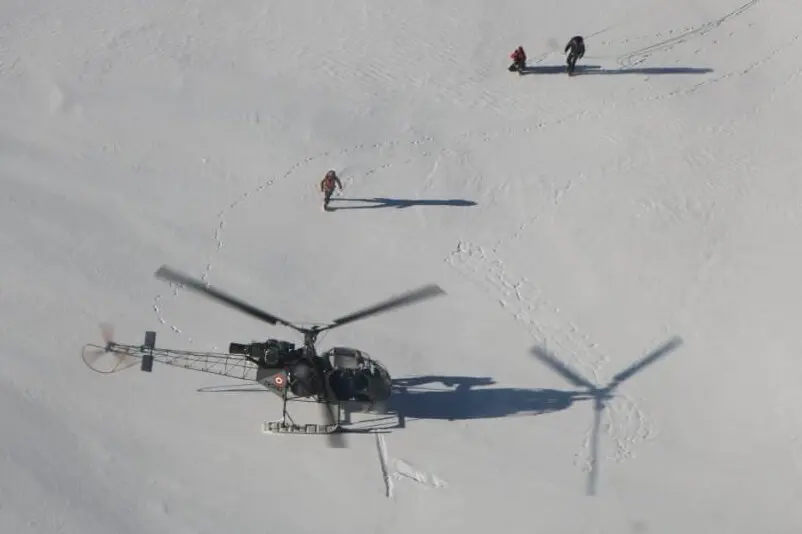
The Indian Air Force, local police, and organizations like the Himalayan Rescue Association coordinate most high-altitude evacuations. These teams perform miracles regularly, but they can’t defy physics; if weather is bad, helicopters cannot fly.
The Prevention Mindset
Rescue teams will tell you the same thing: Every rescue that happens could have been prevented. The vast majority involve:
- Inadequate preparation or equipment
- Ignoring early warning signs
- Pushing beyond skill level
- Traveling without proper guides
- Failing to check weather forecasts
Professional rescuers risk their lives saving unprepared trekkers. The best way to honor their service is to never need it.
Hear rescue stories from Himalayan emergency teams
The Local Perspective
What Mountain Communities Know
For people in villages like Chitkul, Malana, or Tawang, winter isn’t an adventure; it’s life. These communities have survived Himalayan winters for centuries using knowledge that guidebooks barely mention.
Traditional Cold Weather Wisdom:
- Layer with purpose: Local people wear multiple thin layers rather than one thick one, allowing precise temperature regulation.
- Cover your mouth: Breathing through a scarf or cloth warms incoming air and reduces moisture loss.
- Eat fatty foods: High-fat diets provide sustained energy for heat production.
- Never sleep in wet clothes: Even if you’re exhausted, changing into dry layers before sleep is non-negotiable.
- Watch the animals: Wildlife behavior often predicts weather changes 12-24 hours in advance.
Spending time with local families, if your trek allows it, provides insights no guidebook can match. These people don’t romanticize winter; they respect it, prepare for it, and survive it year after year.
Winter’s Silver Linings
Why People Keep Coming Back
Despite the dangers, winter trekking offers rewards summer cannot match. The Himalayas in winter are quieter, emptier, more pristine. You might trek for days seeing only your group. The sky becomes impossibly clear, with stars so bright they cast shadows.
Fresh snow transforms familiar landscapes into alien wonderlands. The air smells different; clean, sharp, devoid of the dust that summer brings. Villages become intimate, as locals have more time to share stories around fires while snow blocks access roads.
Many experienced trekkers say winter trips, though harder, create stronger memories than comfortable summer treks. There’s something about facing genuine adversity together that bonds a group in ways gentle weather never could.
Your Pre-Trek Checklist
Three weeks before departure:
- Get comprehensive medical checkup
- Start altitude acclimatization exercises if possible
- Break in all footwear completely
- Test all gear in cold conditions
- Study your route thoroughly
- Share detailed itinerary with family
One week before:
- Confirm weather forecasts
- Double-check all equipment
- Pack medication and first aid supplies
- Verify guide and porter arrangements
- Review emergency contact procedures
- Set realistic daily distance goals
The night before:
- Get full night’s sleep
- Eat substantial, balanced meal
- Hydrate thoroughly
- Pack high-calorie snacks in accessible locations
- Charge all electronic devices
- Mentally prepare for challenges ahead
The Hard Truth About Winter Trekking
Not everyone should attempt winter Himalayan treks. If you have cardiovascular issues, respiratory problems, or poor circulation, the combination of cold and altitude creates potentially fatal risks. Pregnant women should avoid high-altitude trekking entirely.
Age matters less than fitness level, but realistic self-assessment is crucial. Can you hike 6-8 hours daily carrying 8-10 kg? Can you sleep comfortably in temperatures below freezing? Can you stay mentally positive when conditions turn miserable?
There’s no shame in choosing spring or autumn treks instead. The mountains will still be there, and experiencing them safely is always better than needing rescue.
Immediate Actions
If someone in your group shows signs of frostbite, hypothermia, or severe altitude sickness:
Step 1: Stop immediately. Do not continue hoping things improve.
Step 2: Create shelter from wind and precipitation if possible.
Step 3: Begin appropriate first aid while assessing severity.
Step 4: Activate emergency communication protocols. Send strongest members for help if necessary.
Step 5: Keep detailed notes about symptoms, timing, and treatments attempted. This information helps rescue teams prepare.
Step 6: Stay with the affected person. Never leave someone alone in a medical emergency.
The Joy Beyond the Risk
Here’s what the warnings and checklists don’t convey: winter trekking, done properly, is transcendent. Standing on a summit at sunrise, watching pink light spread across snow-covered peaks while your breath forms crystals in the air; these moments rewire your understanding of beauty and achievement.
You’ll discover reserves of mental toughness you didn’t know existed. You’ll learn that comfort is a luxury, not a necessity. You’ll experience silence so complete it feels like a physical presence.
Most importantly, you’ll join a global community of people who’ve pushed their boundaries and returned changed. The friendships formed on winter treks; forged through shared challenge and mutual dependence; often last lifetimes.
Comments from Nikhil Raj Sharma, Founder, Himalayan Geographic
“Every winter, I see trekkers arrive thinking they’re prepared because they’ve watched YouTube videos or done summer treks. The Himalayas in winter demand a completely different level of respect and preparation. This article captures what I’ve tried to communicate for years; winter trekking is magnificent, but it requires honest self-assessment and meticulous preparation. The mountains will humble you if you arrive with ego instead of respect.”
“What concerns me most is the social media effect; people chasing photos without understanding risks. I’ve personally been involved in three rescues where trekkers wore fashion boots instead of proper mountaineering footwear because they looked better in pictures. Your Instagram aesthetic doesn’t matter if you lose toes to frostbite.”
“But when someone prepares properly, respects the environment, hires qualified guides, and approaches winter trekking with the seriousness it deserves, they often have the most profound experience of their lives. That’s what Himalayan Geographic wants to facilitate; not fear, but informed, respectful adventure.”
Your Turn
Have you experienced winter trekking in the Himalayas? What surprised you most about the cold-weather conditions? Share your stories, tips, or questions in the comments below; your experience might save someone’s life.
If you’re planning a winter trek, what’s your biggest concern? Let’s discuss it in the comments.
“We strive to use only images that are either royalty-free, in the public domain, or shared with appropriate permissions. However, if you believe any image on this website has been used without proper credit or violates copyright, please contact us immediately. We will promptly review the content and, if necessary, update the attribution or remove the image without delay. We do not claim ownership of any third-party images unless explicitly stated.”
