
Explore why youth are leaving Himalayan villages, leading to abandoned homes, cultural erosion, and aging populations. Learn about the causes of rural exodus and what can be done to reverse this trend.
In the high Himalayas, entire communities are silently vanishing as their young people abandon ancestral homes for brighter prospects. In Uttarakhand’s Pauri district, 75-year-old Pyare Lal and his blind wife live alone in a crumbling hut – their son moved to a city years ago and rarely returns. Such scenes are repeating across India, Nepal, Bhutan and other Himalayan nations. According to India’s 2011 census data, 968 villages in Uttarakhand were already uninhabited and over 300 villages in just one district (Pauri) are “almost uninhabited.”
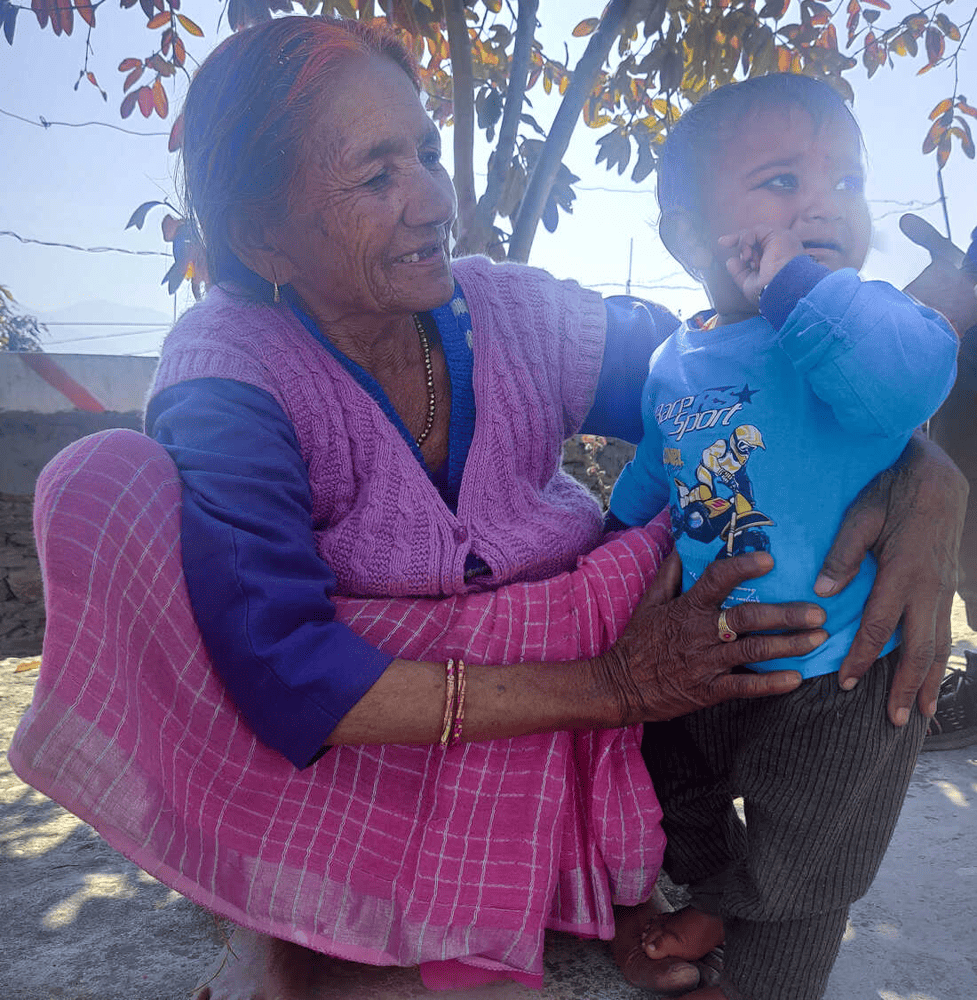
This stark rural exodus has led to ghost villages filled with abandoned homes, leaving behind the aging population. Many villagers blame a lack of local jobs, schools and basic services for driving their children away; others cite changing climate and geography that make traditional agriculture impossible. In every abandoned hamlet – from Uttarakhand’s Garhwal hills to Nepal’s Mustang – grandparents are left behind with fading traditions and few visitors.
People also ask: Which of the following is the main reason for people leaving village?
The Lure of Jobs and Education

Across the Himalayas, the promise of work and schooling in towns pulls youth down from the hills. In Sumari (Uttarakhand), octogenarian Patti Devi recalls how her family “grew enough millet…to sustain a large family” on subsistence farming.
But once basic needs were met, she explains, people “began to seek education for our children.” Families realized that nearby towns, with better roads, offered job opportunities and modern schools. As Patti Devi observed, “roads first came to Srinagar…once the town was better connected… better paying jobs followed, then a school and a hospital.” Within a decade, her own village shrank from 112 families in 2011 to just 25 households today, as almost all of her children and neighbors moved to cities.
This pattern holds across the region. In the remote Himalayan state of Bhutan, lack of local schools and colleges has been identified as “the most commonly cited reason for leaving rural homes.” Bhutan’s government reports that rural–urban migration (often of young farmers) has left farmland fallow and caused a 50% drop in paddy harvests in the mid-hills.
A Bhutanese official noted that 72% of city dwellers there began life in remote villages. Even in Nepal, young people increasingly head for Kathmandu or even the Gulf for work. In Ladakh’s Tashigang village (at 15,256 feet, home to the world’s highest polling station), 30-year-old Kalzang Dolma lost her small government salary and fears for her children’s future. She told reporters: “With my job gone and agriculture in decline, we could barely pay the school fees for our daughter this year,” so now the girl must board 30 km away in town. Her struggle is common: without jobs or reliable schools in the hills, many young parents feel compelled to relocate.
People also ask: What are the problems with rural youth?
A Withering Landscape: Climate and Infrastructure
The physical isolation of mountain villages compounds the flight. In many high Himalayan regions, roads, healthcare access, and even running water are absent. In Sumari, the only hospital was built but never opened, and outdated equipment at the local school drove complaints – fueling migration.
Nearby Gwad village has no asphalt road to the nearest town, so young Krishna Lal’s son makes an “arduous journey” every day to an office. She notes bluntly: “He will not till the land he owns.” With most farmers aged and the youth gone, cropland is simply left uncultivated. Villagers in Uttarakhand increasingly survive on remittances or essential supplies, as traditional farming fails them.
Climate change is intensifying these struggles. Higher temperatures and erratic rains are drying springs and eroding soils. In Nepal’s rain-shadow Mustang region, historically scarce snowfall has declined further, damaging the ancient rhythm of planting and harvest.
As one displaced Mustang farmer explained, “In the past, our soil absorbed moisture from winter snow. Now, with no snowfall, it dries out… our streams no longer flow, making irrigation nearly impossible.” Springs that once sustained villages like Samjong and Dhye in Upper Mustang have vanished. Entire settlements there have had to move downhill or to the river valley to find water. In Dhye village, only 6 of 24 households remain. Twenty-one-year-old Pasang Tsering admits: “I care about my village, but I can’t survive here much longer. I will leave eventually.”
In the cold deserts of Ladakh’s Spiti Valley, similar woes emerge. Tashigang’s glacier-fed springs are shrinking, pea harvests have collapsed from ~100 sacks a decade ago to under 25 now, and even daily tasks are hard. Locals rely on dwindling glacial meltwater; yet experts warn Himalayan ice is disappearing fast, threatening mountain water supplies. Without water and roads, small farms turn unprofitable, pushing yet more youth toward the plains.
The Cost to Culture and Community
What drives young people away is the flip side of what is lost when they go. As villages empty, traditions and community life wither. In Uttarakhand’s Garhwal hills, widows and elders describe streets once filled with music and color that are now silent.
“We have lost not just our young, but also our culture and community,” says Parsini Devi of Kunav village, recalling days when “houses and streets…were full of laughter of young men and women.” Now she, like many others, sees only police assistance dropping by to check if the remaining elderly are still alive. In village after village, almost no one under 30 remains.
People also ask: What is the role of villages in the development of our country and suggest measures for the development of villages?
Languages and customs are fading. Folk songs, age-old farming techniques and local dialects depend on daily practice; when the younger generation leaves, these intangible heritages lose their roots. In Mustang, 60-year-old Chhingju Gurung carries on caring for livestock in New Samjong, but even she says “we still long for our homeland,” a poetic admission that culture persists only in memory. In Dhye, 52-year-old Kancho Dolkar tends yaks alone after her children left; she speaks fondly of the village of her youth even as neighbors vanish.
This demographic shift also brings hard realities: villages with only the old face elderly isolation, poverty and danger. Elderly couples like Pyare Lal and his wife live without basic aid until external agencies step in. Food and farming labor are lacking, and healthcare can be days away. In Bhutan’s highlands, researchers note that when youth depart, fields lie fallow and grazing land shrinks as climate changes force alpine meadows upward. The region’s remaining mountain people bear the double burden of harsher environment and lost community support.
People also ask: How is Government trying to solve problems in villages?
By the Numbers: A Hidden Exodus
Data paints a stark picture across the region. In India’s 13 Himalayan districts, 336,000 homes were found locked up in 2011 – nearly quadruple the count of a decade earlier. Uttarakhand alone reported 968 uninhabited villages in that census. One study found most migrants are young adults: in Garhwal villages, “most people who leave…are between 26 and 35 years old.” As a result, many hamlets now have only pensioners and young children.
Studies by the regional Hindu Kush Himalaya assessment back up these trends. They confirm that a “lack of adequate education facilities” drives much of the migration in Bhutan. The Bhutanese government and partners report that mid-hill rice cultivation has plunged by half as young farmers flee, and 72% of Bhutan’s urban residents were born in rural areas.
In Nepal, climate surveys tally ever hotter winters and doubling monsoon rains in places like Jomsom, evidence that temperatures are rising by ~0.06°C per year. Even a fraction of a degree can turn these fragile mountains into fronts of displacement.
Voices from the Hills
The human side of the story is written in voices like those of Pari Devi, Chhingju, and Pasang. As Uttarakhand’s economist Mamgain notes, migrants “do not want to do agriculture anymore”; they prefer the urban jobs their parents lacked. Kalzang Dolma (Ladakh) said simply, “Pea production has plummeted…we purchase less rations and consume less.” Pasang Tsering (Nepal), proud of his Mustang heritage, nonetheless admits he’s forced out. Elderly Pattis and Parisis echo a final truth: the soul of a village goes with its people.
Can the Tide Be Stemmed?
For the Himalayas, this rural exodus poses a silent crisis. Without young people to till the land or pass on customs, entire ways of life teeter on the brink. Governments have taken notice: Uttarakhand created a Migration Commission in 2017 to study this trend, and in Bhutan policymakers are discussing “mindful development” to keep people home. Efforts such as promoting homestays, providing local employment and boosting government initiatives for rural development are underway.
But bridging hundreds of high-altitude valleys with roads, jobs and schools is a daunting task. Many experts argue that sustainable opportunities – from eco-tourism to remote education – are needed to make staying worthwhile.
For now, the Himalayas watch their villages empty one family at a time. Every departing youth carries a piece of their mountain heritage into the plains. Left behind are the survivors – and the question of how to preserve a culture that only truly lives when its people do.
People also ask: What are the 5 objectives of rural development?
Suggested objectives of rural development include:
Reducing migration through local economic empowerment
Improving infrastructure (roads, electricity, water, schools)
Providing sustainable employment and boosting agriculture
Enhancing healthcare access
Preserving cultural and community heritage
