
The 5 forgotten ancient trade routes of the Trans-Himalayas that connected civilizations for over 2,000 years. Unearth hidden paths that could revolutionize modern tourism and diplomacy in the world’s highest mountains.
Imagine walking the same paths where yak caravans once carried Chinese silk and Tibetan salt across the world’s most treacherous mountain passes. Picture Marco Polo-era merchants haggling in ancient bazaars perched at 14,000 feet, their breath forming clouds in the thin air as they traded goods that would shape empires.
Here’s a mind-blowing fact: Recent GIS mapping has revealed that 21 traditional trade routes once crisscrossed the Himalayan region; six between China and Nepal, four between China and Bhutan, and eleven between China and India. Yet today, most travelers couldn’t name even three of these ancient highways that connected civilizations for over two millennia.
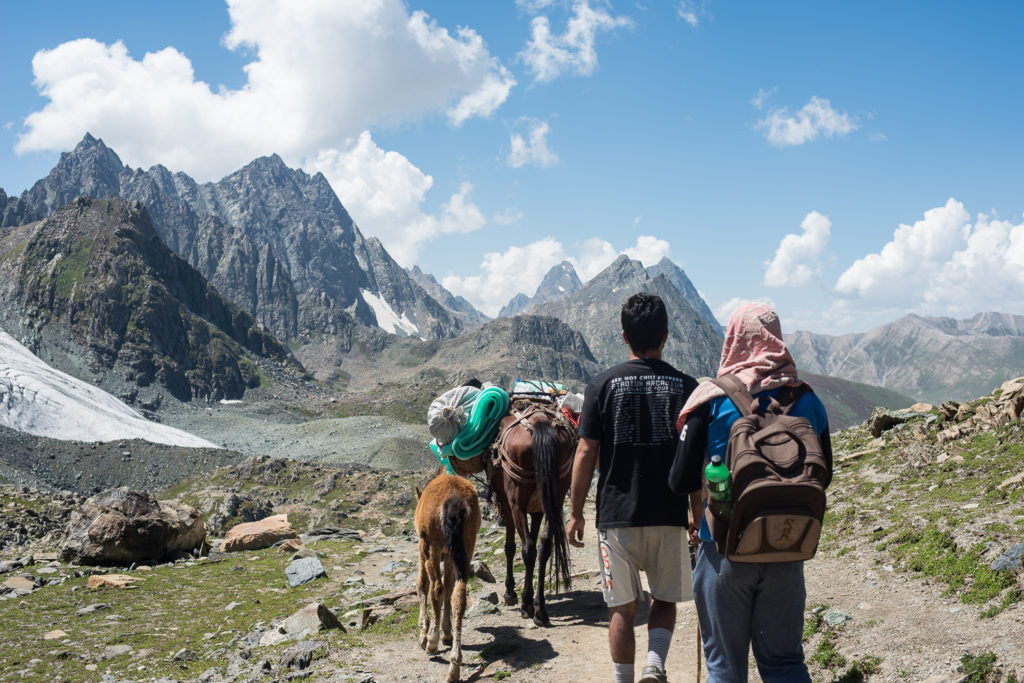
The Lost Highways of Heaven
Why These Routes Matter More Than Ever
The Trans-Himalayan trade routes weren’t just about moving goods; they were the internet of their time. These mountain corridors facilitated the exchange of ideas, religions, technologies, and cultures that literally shaped the world we know today.
Buddhism spread from India to China along these paths. By the fifth or sixth century B.C.E., Indian traders were regularly making their way to the Kathmandu Valley, which lies across one of the main pathways linking India with Tibet and the ancient east-west trade routes. The southern terminus connected with two great Indian trade arteries that linked India with the Near East and flowed southward to the Indian Ocean.
But here’s what makes this story incredibly relevant today: these forgotten routes hold the key to sustainable tourism, cultural diplomacy, and economic cooperation in one of the world’s most politically sensitive regions.
Unsung Heroes of the Himalayas
Nepal’s Trading Dynasties
The Lhasa Newar refers to the expatriate Newar traders and artisans who traveled between the Kathmandu Valley and Tibet from centuries ago. These weren’t your typical merchants; they were cultural ambassadors who established trading houses, married into local families, and created networks that survived political upheavals for generations.
What made them so successful? With Hinduism’s caste restrictions, which forbid social exchanges with outsiders, it is no surprise that the most enterprising trans-Himalayan traders were inevitably Buddhists. Their religious flexibility allowed them to adapt to different cultures and build trust across ethnic boundaries.
White Gold of the Mountains
The Tibet–Nepal salt trade route is an ancient salt trading route running between the Tibetan Plateau and the Middle Hills of Nepal and further on to India. This wasn’t just about seasoning; salt was the cryptocurrency of its time, essential for food preservation and religious ceremonies.
The Five Major Forgotten Routes
1. The Khardung La Corridor (India-Tibet)
Standing at 17,582 feet, Khardung La was once the world’s highest motorable pass used by trade caravans. The Karakoram Pass, Zoji La, and Khardung La were major passes that facilitated trade through Ladakh. These routes connected India to Tibet, Central Asia, and China.
Today, this route sees thousands of adventure tourists, but few realize they’re following paths carved by centuries of commerce.
2. The Kathmandu-Lhasa Artery (Nepal-Tibet)
This was the superhighway of its time; the main conduit for goods flowing between South Asia and Central Asia. Merchants would spend months on this journey, establishing rest houses and trading posts that became thriving communities.
3. The Nathu La Gateway (India-China)
Once a bustling trade route, Nathu La Pass between Sikkim and Tibet was disrupted after the annexation of Tibet by China in 1950 and the Sino-Indian War in 1962. Today, it’s slowly reopening for limited trade.
4. The Manang Circuit (Nepal Internal)
This internal Nepalese route connected the southern valleys with the Tibetan plateau, allowing goods to flow from India through Nepal to Tibet without crossing international borders multiple times.
5. The Bhutan-Tibet Corridor
The least documented but equally important, these four routes between China and Bhutan facilitated the exchange of Buddhist texts, medicinal plants, and precious stones.
Why Now?
Economic Opportunities
Tourism Goldmine: Tourists can explore many of the ancient trade routes, caravanserais, and cultural heritage sites along Ladakh’s Silk Road. Imagine trekking tours that follow authentic historical paths, complete with cultural interpretation and archaeological sites.
Diplomatic Soft Power
These routes offer a unique opportunity for “heritage diplomacy”; using shared cultural history to build bridges between nations currently experiencing political tensions.
Conservation Through Culture
By reviving interest in these routes, we can:
- Protect traditional architecture along the paths
- Preserve indigenous languages and customs
- Create economic incentives for environmental conservation
- Document oral histories before they’re lost forever
The Digital Archaeology Revolution
Modern technology is bringing these ancient routes back to life. GIS mapping, satellite imagery, and drone photography are revealing paths invisible to the naked eye. Combining historical literature, field surveys, and geographic information system (GIS) techniques, this study examined the spatial distribution characteristics and evolution process of the routes.
Cultural Treasures Along the Routes
Architecture That Defied Gravity
Ancient caravanserais, monasteries, and trading posts dot these routes—many now crumbling but architectural marvels that housed merchants in sub-zero temperatures at impossible altitudes.
Living Museums
Communities along these routes still practice traditions that began with the trade era. In Ladakh, elderly residents remember stories passed down about caravans of yaks, camels, and horses that traversed these routes, laden with goods such as Chinese silk, Indian spices, and Tibetan wool.
Culinary Fusion
The food along these routes tells the story of cultural exchange; Tibetan momos influenced by Chinese dumplings, Indian spices in Nepali cuisine, and tea culture that traveled from China to become integral to Himalayan life.
Challenges and Controversies
Political Sensitivities
Many of these routes cross disputed territories or sensitive border areas. In the early 20th century, three main trade routes passed through Ladakh: the Tibetan route east to the city of Lhasa, the South Asian route south through Kashmir, and the trans-Karakoram route north and east into Chinese Central Asia.
Environmental Concerns
Increased tourism and development could threaten fragile high-altitude ecosystems. Any revival must balance economic benefits with environmental protection.
Cultural Appropriation vs. Appreciation
There’s a fine line between celebrating these routes and commodifying sacred or culturally sensitive sites.
The Future of Ancient Paths
Technology Meets Tradition
Imagine VR experiences that let you walk with ancient caravans, augmented reality apps that reveal the history of each mountain pass, or blockchain-based certification for authentic heritage tourism experiences.
Climate Change Adaptation
As climate change affects mountain regions, these traditional routes might offer insights into sustainable transportation and trade adapted to harsh environments.
Regional Cooperation Models
The European Union began with coal and steel cooperation. Could Trans-Himalayan heritage routes become a foundation for South Asian economic integration?
Your Role in This Revival
Support Responsible Tourism: When visiting these regions, choose tour operators who understand and respect the historical significance of these routes.
The Road Ahead
The forgotten trade routes of the Trans-Himalayas aren’t just historical curiosities; they’re blueprints for a more connected, culturally rich, and economically integrated future. As we face global challenges that require international cooperation, perhaps we can learn from merchants who crossed the world’s highest mountains with nothing but trust, ingenuity, and the universal language of commerce.
These routes once connected the Roman Empire to Imperial China. Today, they could connect our divided world through shared heritage, mutual respect, and the timeless human desire to explore and trade.
Nikhil Raj Sharma, Founder, Himalayan Geographic:
“The Trans-Himalayan trade routes represent one of humanity’s greatest achievements in overcoming geographical barriers. At Himalayan Geographic, we believe these ancient pathways hold the key to sustainable tourism development in our region. Our upcoming expedition series will follow three of these forgotten routes, combining adventure travel with cultural documentation.”
“What fascinates me most is how these routes created a shared Himalayan identity that transcended modern political boundaries. The merchants who traversed these paths were the original global citizens; adaptable, multilingual, and culturally fluent. Their legacy offers a roadmap for cooperation in our increasingly interconnected world.”
“We’re partnering with local communities to ensure that any revival of these routes benefits the people who have been their guardians for generations. This isn’t just about tourism; it’s about preserving a way of life and a worldview that valued connection over division.”
Related Articles You Might Enjoy:
- “The Lost Cities of Ladakh: Archaeological Wonders Along Ancient Trade Routes”
- “Climate Guardians: How Ancient Trade Routes Can Teach Modern Conservation“
We strive to use only images that are either royalty-free, in the public domain, or shared with appropriate permissions. However, if you believe any image on this website has been used without proper credit or violates copyright, please contact us immediately. We will promptly review the content and, if necessary, update the attribution or remove the image without delay. We do not claim ownership of any third-party images unless explicitly stated.
