
How Tawang Monastery, India’s largest Buddhist sanctuary at 10,000 feet, preserves 350-year-old traditions while facing modern challenges. Explore the secrets of cultural survival in the Himalayas.
Picture this: India’s largest monastery perched dramatically at 10,000 feet above sea level, where 450 monks chant ancient prayers while military helicopters occasionally thunder overhead. This striking contrast perfectly captures the delicate dance between preservation and progress that defines Tawang Monastery today.
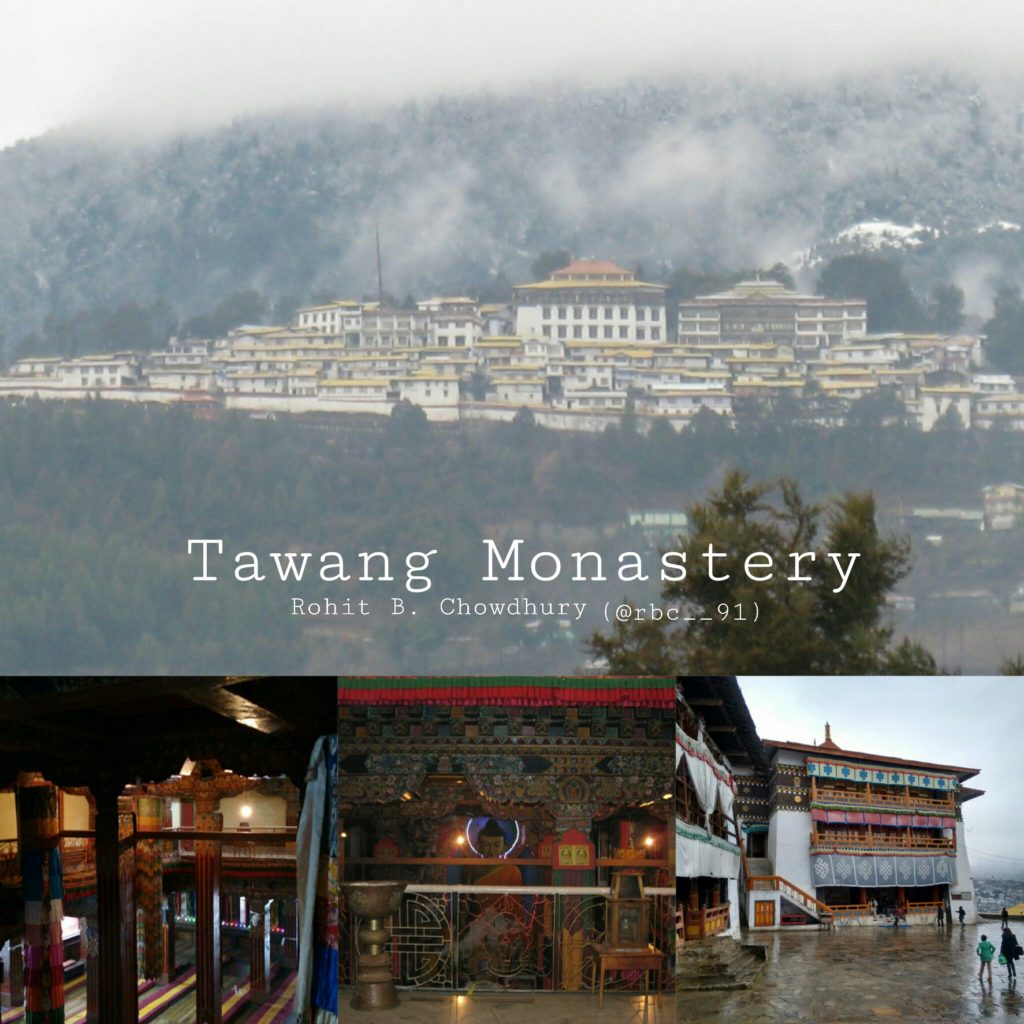
As the largest monastery in India and the second largest in the world, Tawang faces a fascinating paradox. While its golden walls have sheltered Tibetan Buddhist traditions for over three centuries, the modern world increasingly presses against its gates. Yet somehow, the secrets of survival in this vertical world continue to unfold within these sacred halls.
The Sacred Fortress That Defied Time
Founded in the 17th century by Merak Lama Lodre Gyatso in accordance with the wishes of the 5th Dalai Lama, Tawang Monastery wasn’t just built; it was manifested through divine vision. The story goes that Merak Lama had a celestial dream revealing the exact location where this spiritual fortress should rise.
Known in Tibetan as “Gaden Namgyal Lhatse,” which translates to “The peak of the heavenly abode of joyfulness and complete victory,” the monastery stands like a beacon of hope in one of the world’s most geopolitically sensitive regions.
What makes this place truly extraordinary isn’t just its size or elevation. It’s the living, breathing community of faith that has thrived here despite centuries of political upheaval, border tensions, and cultural challenges.
The Architecture of Resilience
The monastery stands strategically on the spur of a hill, with ravines protecting the south and west, a narrow ridge on the north, and a gradual slope on the east. This isn’t accidental—it’s architectural genius born from necessity.
The fortress-like structure serves multiple purposes:
- Spiritual sanctuary: Protecting sacred teachings and artifacts
- Cultural repository: Preserving Tibetan traditions far from Tibet
- Community center: Housing hundreds of monks and serving thousands of devotees
- Strategic outpost: Maintaining cultural identity in a border region
450 Monks, 17 Gompas, and the Art of Cultural Continuity
Walk through Tawang’s corridors during morning prayers, and you’ll witness something magical. The monastery operates with 17 associated gompas, each presided over by a monk with a three-year tenure, creating a sophisticated system of spiritual governance that has survived since 1680.
But here’s what most visitors never see: the intricate web of cultural preservation happening behind the scenes. Young monks, some as young as eight, learn not just Buddhist philosophy but also traditional crafts, music, and languages that might otherwise vanish.
The Female Voices of Faith
The monastery also supports two associated Ani Gompas (nunneries), ensuring that female voices remain part of this spiritual tapestry. This progressive approach, established centuries ago, continues to provide women with opportunities for spiritual advancement in a traditionally male-dominated religious hierarchy.
Festivals That Bridge Worlds
The Torgya Festival, held exclusively at Tawang Monastery on January 10-12 every year, draws thousands of devotees who come to pay homage to Lama Tsongkhapa. But these aren’t just religious gatherings—they’re cultural lifelines.
During these festivals, something remarkable happens:
- Traditional foods prepared using recipes passed down through generations
- Ancient dances performed in colorful masks and costumes
- Sacred music that echoes through the Himalayan valleys
- Community bonding that strengthens cultural identity
The local Monpa people celebrate three main festivals: Torgya, Lossar, and Choekhor harvest, with pantomime dances that tell stories of their Buddhist heritage.
Infrastructure vs. Identity
Here’s where the story gets complicated. Located just 10 miles south of the Line of Actual Control with China, Tawang has witnessed massive infrastructure development in recent years. New roads, communication towers, and military installations have transformed the landscape.
This development brings both opportunities and threats:
Opportunities:
- Better access for pilgrims and tourists
- Improved healthcare and education
- Economic growth for local communities
- Enhanced connectivity with the outside world
Threats:
- Loss of traditional ways of life
- Environmental impact on fragile ecosystems
- Cultural dilution through rapid modernization
- Pressure on monastic life from commercial tourism
Ancient Wisdom Meets Modern Media
Surprisingly, Tawang Monastery has embraced technology as a tool for preservation rather than a threat to tradition. Monks now use smartphones to document rituals, share teachings through social media, and connect with Buddhist communities worldwide.
What Tawang Teaches the World
After spending time at Tawang, patterns emerge that reveal the monastery’s survival secrets:
1. Adaptive Preservation
The monastery doesn’t resist change; it adapts while maintaining core values. Electric lights illuminate ancient murals, but the murals remain unchanged.
2. Community Integration
Rather than isolating itself, the monastery serves as the beating heart of local culture, supporting schools, hospitals, and community initiatives.
3. Strategic Flexibility
The 8-meter high gilded Buddha statue and precious artifacts are carefully maintained, but new technologies help preserve and share these treasures with future generations.
4. Educational Evolution
Young monks study traditional subjects alongside modern skills, preparing them to be cultural ambassadors in a globalized world.
The Human Stories Behind the Statistics
Meet Lobsang, a 22-year-old monk who joined the monastery at age 10. He speaks four languages, manages the monastery’s social media presence, and still wakes at 4 AM for traditional prayers. His story embodies the monastery’s approach to balancing ancient wisdom with modern relevance.
Or consider Dolma, a local guide whose grandmother was one of the first female devotees to receive teachings at the monastery. Three generations of women in her family have contributed to preserving local traditions while adapting to changing times.
Faith at the Crossroads
Tawang’s location near disputed borders adds another layer to its survival story. The monastery has witnessed military tensions, diplomatic visits, and cultural exchanges that would challenge any institution. Yet it continues to serve as a bridge between communities, cultures, and even countries.
This unique position has made Tawang a symbol of cultural resilience. Politicians visit for photo opportunities, but the real power lies in the monastery’s ability to maintain spiritual focus amid political turbulence.
Climate Change and Cultural Preservation
Global warming affects the Himalayas more than most regions, and Tawang isn’t immune. Changing weather patterns impact traditional festivals, agricultural cycles, and pilgrimage seasons. The monastery has begun documenting climate-related changes while adapting centuries-old practices to new realities.
Water scarcity, unpredictable monsoons, and shifting seasons force creative solutions that honor both environmental necessity and religious tradition.
Challenges and Opportunities
As we look ahead, Tawang Monastery faces several critical decisions:
Balancing Tourism and Spirituality: How many visitors can the monastery accommodate without losing its meditative atmosphere?
Preserving Languages: With Hindi and English increasingly dominant, how can Tibetan and local Monpa languages survive?
Training Future Leaders: How should young monks prepare for leadership roles in an increasingly complex world?
Managing Growth: Should the monastery expand its facilities or maintain its current intimate scale?
Tawang’s Global Influence
Despite its remote location, Tawang Monastery influences Buddhist communities worldwide. Monks trained here serve in monasteries across India, Nepal, and beyond. The teachings preserved here inform academic research, inspire artists, and guide spiritual seekers globally.
Check out this enlightening documentary that captures the monastery’s international significance.
How Visitors Can Support Cultural Preservation
If you’re planning to visit Tawang Monastery, consider these ways to contribute positively:
- Respect photography rules inside sacred spaces
- Purchase local handicrafts made by monastery-affiliated artisans
- Learn basic Tibetan greetings to show cultural appreciation
- Participate respectfully in public ceremonies when invited
- Support local homestays that share cultural knowledge
- Follow Leave No Trace principles in this fragile ecosystem
The Economic Ecosystem of Faith
Tawang Monastery supports an entire economic ecosystem. Local families provide food, crafts, and services. Pilgrims and tourists bring income that supports preservation efforts. The monastery itself employs dozens of people in various capacities.
This economic interdependence creates a natural incentive for cultural preservation; the community thrives when traditions remain authentic and vibrant.
Writing the Future
As Tawang Monastery approaches its 350th anniversary, the community faces choices that will determine its next chapter. Will it become primarily a tourist destination or remain a living center of Buddhist practice? Can it embrace modernization without losing its soul?
The answers lie not in grand gestures but in daily decisions made by monks, local communities, and visitors who recognize that some places are too precious to lose to thoughtless change.
“The monastery stands as proof that tradition and progress need not be enemies,” reflects the current head lama. “Our challenge is teaching the world that ancient presence can coexist with modern convenience; if we approach both with wisdom and respect.”
Your Role in This Story
The survival secrets of Tawang Monastery ultimately depend on people like you; travelers, readers, and global citizens who understand that cultural preservation requires active participation, not passive observation.
What aspects of traditional culture do you think are most important to preserve in our rapidly changing world? Share your thoughts in the comments below and let’s continue this conversation about balancing ancient wisdom with modern life.
Nikhil Raj Sharma, Founder of Himalayan Geographic:
“What strikes me most about Tawang is its refusal to choose between preservation and progress. The monastery demonstrates that we can honor our past while embracing our future, and that’s a message our rapidly changing world desperately needs to hear.”
“Every time I visit Tawang, I’m reminded that the real treasures of the Himalayas aren’t just the peaks and valleys; they’re the communities that have thrived here for centuries, adapting to challenges while maintaining their spiritual center. This monastery is a beacon of hope for cultural preservation everywhere.”
“We strive to use only images that are either royalty-free, in the public domain, or shared with appropriate permissions. However, if you believe any image on this website has been used without proper credit or violates copyright, please contact us immediately. We will promptly review the content and, if necessary, update the attribution or remove the image without delay. We do not claim ownership of any third-party images unless explicitly stated.”
