
First snow impact: 7 critical ways early winter threatens Himalayan glaciers and transforms river systems affecting 800 million people downstream.
The first snowflakes of winter aren’t just beautiful; they’re writing the story of our future. When snow arrives weeks earlier than expected in the Himalayas, it triggers a cascade of changes that ripple through ecosystems, communities, and entire river systems. This isn’t just weather; it’s a signal scientists are racing to decode.
Early snowfall can actually starve glaciers. While it seems logical that more snow equals healthier ice, the timing matters more than the quantity. And right now, that timing is changing faster than ever before.
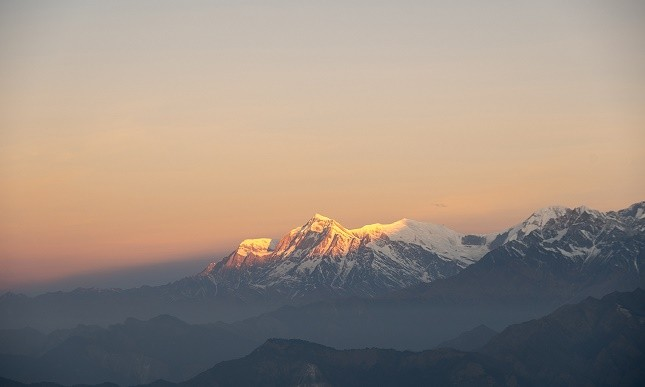
First Snow Impact
Why Early Snow Changes Everything
Think of glaciers as nature’s savings account. They store frozen water during winter and release it gradually through summer. But when winter arrives too early, the entire balance sheet gets rewritten.
Early snowfall creates what scientists call a “positive feedback loop.” Fresh snow reflects up to 90% of sunlight back into space. This keeps temperatures lower for longer periods. Sounds good, right?
Not exactly. The problem lies in what happens next.
When snow arrives before the landscape is ready, it often falls on ground that’s still too warm. This creates a layer of melt-water beneath the fresh snow. That water refreezes into ice, forming a barrier that prevents proper snow accumulation later in the season.
The result? Glaciers don’t get the deep, dense snowpack they need to maintain their mass. Instead, they get patchy, inconsistent coverage that melts faster come spring.
The Glacier Accumulation Puzzle
Picture building a sandcastle. You need the right type of sand, the right moisture level, and the right technique. Glaciers work similarly; they need specific conditions to grow and thrive.
For healthy glacier accumulation, three things must align:
- Temperature below freezing during snowfall
- Consistent snow coverage throughout winter
- Dense snow compression that transforms into glacial ice
Early snowfall disrupts this delicate balance. Recent studies from the International Centre for Integrated Mountain Development show that glaciers receiving early snow lose 15-20% more mass annually compared to those with traditional snow patterns.
Dr. Hamish Pritchard from the British Antarctic Survey calls this the “early bird paradox.” In a detailed research video, he explains how premature snow creates surface instability that prevents proper ice formation.
The Gangotri Glacier, one of the Himalayas’ largest, has retreated over 2 kilometers since 1780. But here’s the kicker: the retreat rate has doubled in years following early winter onset.
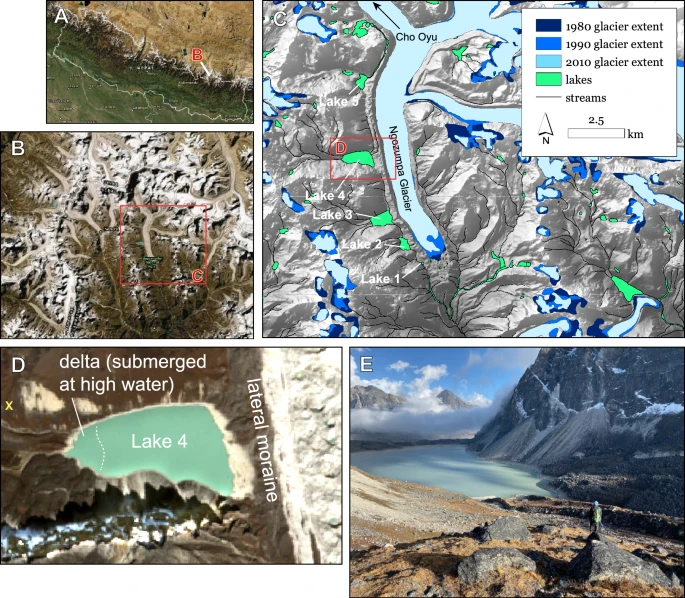
Rivers That Remember
Every river in the Himalayan region carries memory in its flow. The Ganges, Indus, Brahmaputra, and dozens of smaller rivers all respond to what happens in the high mountains months earlier.
When snow arrives early, river behavior changes in unexpected ways:
Winter Flow Patterns
Early snowfall initially reduces river flow. The ground freezes faster, locking water in place. Communities dependent on winter water supplies face immediate shortages. Farmers in Himachal Pradesh and Uttarakhand report irrigation challenges starting as early as November in recent years.
Spring Surge Complications
Come spring, early-winter snow creates unpredictable melt patterns. Instead of gradual, steady flow increases, rivers experience sharp surges. These aren’t the beneficial spring flows that farmers have planned around for generations. They’re erratic pulses that cause flooding in some areas while leaving others dry.
The Sutlej River demonstrates this perfectly. In 2023, it experienced three major surge events between March and May; double the historical average. Each surge brought sediment loads 40% higher than normal, damaging irrigation infrastructure and hydropower equipment.
Summer Deficit
By the time summer arrives, rivers fed by early-melting snow run lower than expected. The Himalayan River Systems Research Project documented that rivers with early winter onset basins show 25-30% reduced flow during peak agricultural season.
This matters enormously. Over 800 million people depend on Himalayan river water for agriculture, drinking water, and hydropower. When flow patterns shift, entire economies shift with them.
Climate Signals Scientists Are Tracking
The Himalayas serve as Earth’s thermometer. Changes here forecast what’s coming for the rest of the planet. Scientists monitor several key indicators that early snowfall affects:
Albedo Effect Changes
Fresh snow’s reflectivity creates local cooling. But paradoxically, early snow can lead to faster overall warming. How? When snow melts prematurely, it exposes darker ground surface earlier in the season. This darker surface absorbs more heat, creating localized warming that accelerates nearby glacier melt.
Satellite data shows that areas with early snow onset now experience 2-3 weeks longer exposure of dark ground compared to patterns from 30 years ago.
Precipitation Pattern Shifts
Early winter doesn’t just mean early snow. It signals broader atmospheric circulation changes. The jet stream; that river of fast-moving air high in the atmosphere; is becoming more erratic.
This erratic behavior brings snow when it should bring rain, and vice versa. In October 2024, Ladakh received snowfall equal to an entire month’s worth in just 48 hours. Meanwhile, traditional January snowfall zones in lower Himachal Pradesh saw 60% less snow than historical averages.
Temperature Amplitude Increases
Here’s a term that sounds technical but matters practically: diurnal temperature range. It’s the difference between day and night temperatures.
In areas with early snowfall, this range is widening dramatically. Days remain cold due to snow cover, but nights are getting even colder. This wider swing stresses both natural ecosystems and human infrastructure.
Power lines designed for specific temperature ranges face increased breakage. Mountain roads crack more frequently. Even traditional stone buildings develop structural issues.
Permafrost Destabilization
Early snow creates an insulating blanket over ground that hasn’t fully frozen. This sounds protective, but it actually prevents proper permafrost formation in areas that need it.
The Cryosphere Research Initiative documents how this “warm permafrost” becomes unstable. When it eventually melts, it releases methane; a greenhouse gas 25 times more potent than carbon dioxide.
What Downstream Communities Need to Know
If you live anywhere fed by Himalayan water, early winter patterns affect you directly. Here’s what’s changing and how to prepare:
Water Availability Timeline Shifts
Traditional water calendars no longer work. Communities need new timing strategies for everything from crop planting to household water storage.
Practical steps:
- Install larger water storage capacity at household and community levels
- Shift crop calendars based on updated river flow predictions rather than traditional dates
- Develop dual-strategy irrigation that handles both surge and deficit scenarios
Flood Risk Recalculation
Early snow creates unpredictable melt patterns. Areas that never flooded before now face risk. Areas with traditional flood patterns see those patterns intensify.
The devastating 2023 Sikkim flash flood killed over 100 people and destroyed the Teesta III dam. Investigation revealed that unseasonably early snow accumulation created conditions for a glacial lake outburst flood (GLOF) months ahead of when monitoring agencies expected possible events.
What communities should do:
- Update flood maps to account for new melt patterns
- Establish early warning systems that monitor snow accumulation, not just current weather
- Create evacuation plans that account for faster-moving flood events
Agricultural Adaptation
Farmers face perhaps the biggest challenge. Centuries of agricultural wisdom are becoming less reliable.
Wheat planting in Punjab and Haryana traditionally follows monsoon retreat timing. But when winter arrives early, soil temperatures drop before optimal planting windows close. This reduces germination rates and early growth vigor.
Research from the Indian Agricultural Research Institute suggests farmers might need to:
- Adopt cold-tolerant crop varieties developed for higher elevations
- Invest in season-extension technologies like polytunnels or row covers
- Diversify income sources to buffer against crop uncertainty
Hydropower Generation Impacts
India generates over 50,000 MW of hydropower from Himalayan rivers. Early winter patterns create generation instability.
Winter low flows reduce generation when electricity demand peaks for heating. Spring surges bring excess sediment that damages turbines and reduces efficiency. Summer deficits mean less generation during the agricultural irrigation season when alternate power demand spikes.
Power purchase agreements and grid management strategies need updating to reflect these new realities.
Stories from the Mountains
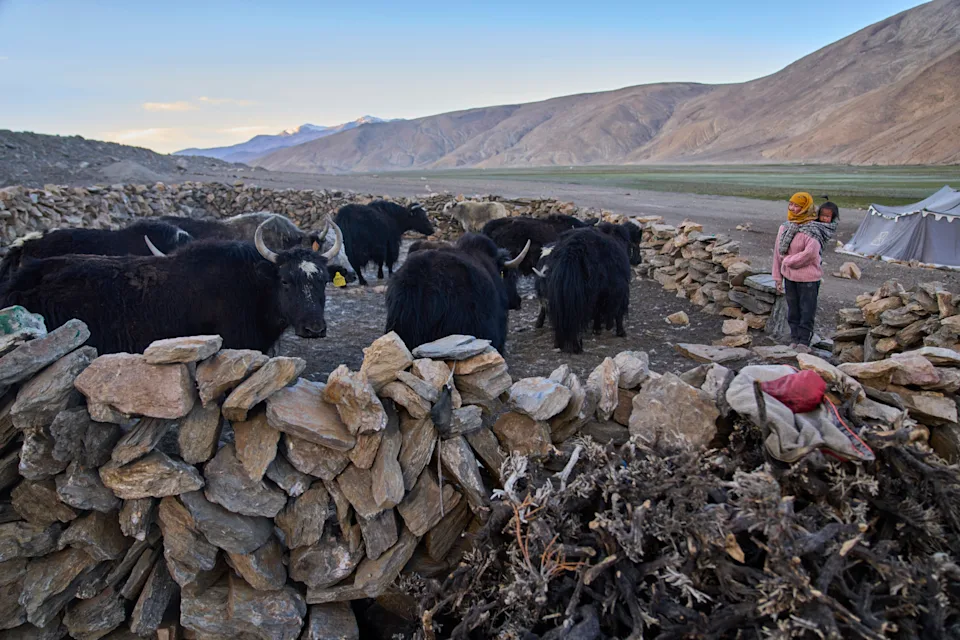
Tashi Dorje, a 67-year-old yak herder from Spiti Valley, remembers when snow arrived “like clockwork” in mid-December. “Now it comes in October sometimes, November others. The yaks get confused. The grazing season ends too early.”
His observation aligns with scientific data, but it carries human weight. Tashi’s family has herded yaks for seven generations. Their entire livelihood calendar; when to move between pastures, when to bring animals down to winter quarters, when to prepare for births; is disrupted.
In Manali, hotel owner Priya Thakur sees the tourism impact. “Early snow used to mean extended ski season. Good for business,” she explains. “But now it’s unpredictable. Sometimes early snow melts by December. Other times it blocks roads and cancels bookings. We can’t plan anymore.”
These personal stories reveal the human dimension of climate data. Every percentage point of change in snow timing affects real people making real decisions about their lives.
What We Can Expect
Climate models project that early winter onset will become more common across the Himalayas. The Climate Himalaya Initiative forecasts that by 2050, winter could arrive 3-4 weeks earlier on average than it did in 2000.
This doesn’t mean more snow overall. Total annual snowfall may actually decrease. But the timing will continue shifting earlier, with all the complications that brings.
Some adaptation strategies are already emerging:
Enhanced Monitoring Systems
New satellite technology combined with ground sensors creates near-real-time snow monitoring. The ISRO’s Himalayan Glacier Monitoring program tracks snow accumulation patterns and issues forecasts that help communities plan.
Community-Based Early Warning
Villages across Nepal, Bhutan, and India are establishing local monitoring networks. Trained community members track snow conditions and share information through mobile apps, creating grassroots early warning systems.
Water Banking Infrastructure
Engineers are developing artificial glacier projects and water storage systems that capture early melt and release it when needed. Ladakh’s Ice Stupa project, pioneered by engineer Sonam Wangchuk, demonstrates how traditional knowledge combined with modern engineering can adapt to changing snow patterns.
Cross-Border Cooperation
Rivers don’t respect political boundaries. Effective adaptation requires cooperation between India, China, Nepal, Bhutan, Pakistan, and Bangladesh. Recent bilateral water-sharing agreements show increasing recognition of this reality.
The Bottom Line
Early snow in the Himalayas isn’t just a weather curiosity. It’s a signal, a symptom, and a challenge all rolled into one. Understanding what it means for glaciers, rivers, and communities helps us prepare for a future where change is the only constant.
The next time you see news about early Himalayan snowfall, remember: you’re watching a preview of coming attractions. How we respond now determines what role we play in the story that’s unfolding.
Comments from Nikhil Raj Sharma, Founder, Himalayan Geographic
“This article brilliantly captures what we at Himalayan Geographic have been documenting for years; the intricate connection between snow timing and mountain livelihoods. Early winter isn’t just changing landscapes; it’s rewriting the social and economic fabric of Himalayan communities. We need more of this kind of accessible, science-based storytelling that helps people understand why mountains matter to everyone, not just mountain dwellers. The Himalayas are the water tower of Asia, and when the tower’s plumbing changes, a billion people downstream feel the effects.”
Related Resources
For deeper exploration of this topic, check these valuable resources:
- Understanding Glacial Lake Outburst Floods
- Himalayan Water Security and Climate Change
- Traditional Ecological Knowledge in Mountain Adaptation
“We strive to use only images that are either royalty-free, in the public domain, or shared with appropriate permissions. However, if you believe any image on this website has been used without proper credit or violates copyright, please contact us immediately. We will promptly review the content and, if necessary, update the attribution or remove the image without delay. We do not claim ownership of any third-party images unless explicitly stated.”
