
Himachal’s culture is vanishing before our eyes, save now. Discover how we can protect its living heritage, youth, and communities before it’s too late.
What if your home forgot your name?
A child in a remote Himachali village once asked his mother, “What’s Devta culture?”
She paused. Then said, “Something we used to follow.”
That answer broke something in me.
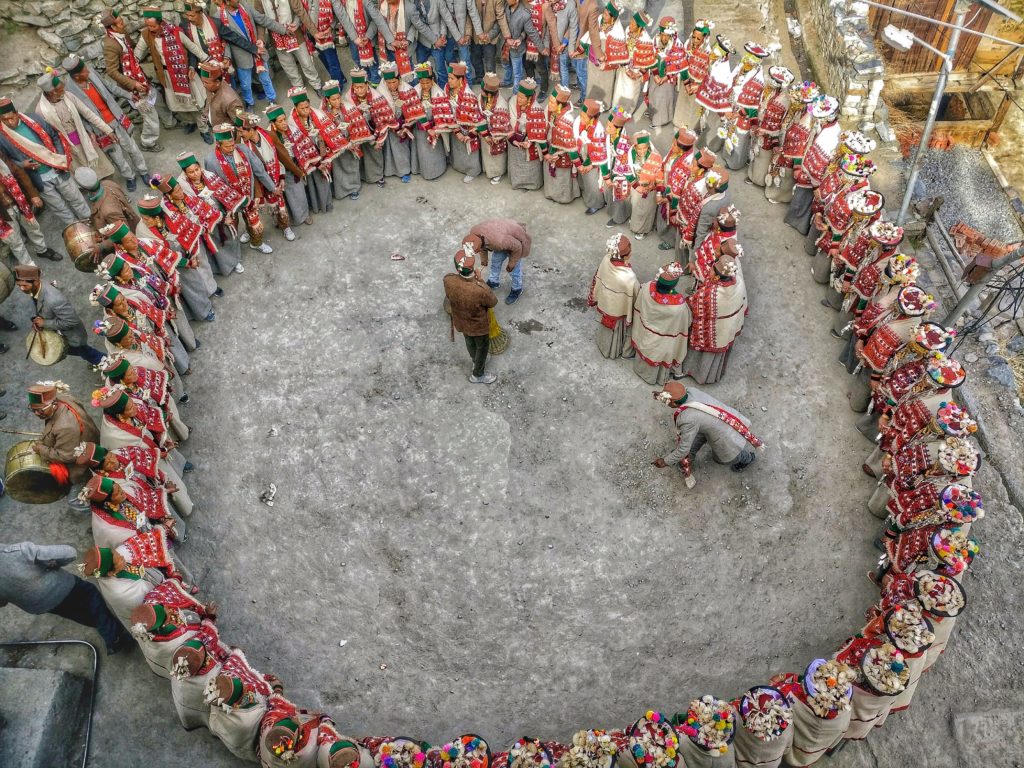
Himachal Pradesh is more than postcard-perfect mountains and touristy hill stations. It’s a living, breathing heritage—rich with age-old traditions, sacred community bonds, local deities (Devtas), festivals, folk songs, and wisdom passed through generations.
But this legacy is vanishing—not in decades, but in years.
And no one seems to be talking about it.
The Crisis We Aren’t Seeing
- Youth migration is emptying villages. With no economic or creative opportunities, the younger generation is leaving.
- Traditional knowledge systems are dying. Fewer people know local stories, songs, or rituals that once shaped entire communities.
- Community bonds are weakening. As people chase modernity, what held them together—shared culture—is fading.
Quotable Fact: “Over 80% of Himachal’s folk art and oral history is undocumented and at risk of disappearing by 2040.” – Indian Heritage Council
This isn’t just a cultural loss. It’s a loss of identity, belonging, and resilience—the very things that help communities thrive.
Why This Matters to All of Us
Even if you don’t live in Himachal, what’s happening here is a warning sign for many indigenous cultures across India.
Culture isn’t just costumes and dance. It’s how a community:
- Solves conflict.
- Cares for the land.
- Heals trauma.
- Celebrates life.
When we lose that, we lose far more than just a tradition—we lose a way of being human.
The Good News? We Can Still Save Himachal’s Living Heritage
You don’t need a government grant or an NGO badge to make a difference.
Here’s how you can help protect Himachal’s culture, youth, and communities:
1. Support Cultural Education in Schools
- Encourage or donate to programs that integrate local storytelling, theater, and folk art in education.
- Platforms like Aaina India use theater to connect children to their roots while building life skills.
2. Document Elders’ Wisdom
- Start a digital storytelling project. Record grandparents or local artisans. Upload to YouTube or community archives.
- Even short reels or voice notes matter. Every story saved is a piece of history preserved.
3. Promote Creative Livelihoods
- Buy local art, crafts, and music.
- Share and tag local Himachali creators on social media. Visibility = Value = Sustainability.
4. Visit With Purpose
- When traveling, choose homestays that engage with culture, not exploit it.
- Attend local festivals with respect and participation.
Emotion in Action: A Story Worth Saving
In Kullu, an 18-year-old named Mehak was about to drop out of school. She felt invisible—just another girl in a sleepy village.
Then, she joined a local theater program based on Himachali folklore. She played a goddess. For the first time, her story mattered.
She stayed in school. She now teaches younger girls the same stories that once almost vanished.
This is what cultural revival looks like. One life at a time.
Final Takeaway: Culture is a Collective Soul
If we lose Himachal’s living heritage, we don’t just lose songs and symbols—we lose our mirrors, our memories, and our meaning.
“Traditions aren’t outdated. They’re roots. And roots don’t hold you back—they hold you up.”
What Can You Do Today?
Share this article with someone who loves the mountains.
Comment with a story from your own cultural heritage.
Follow and support cultural collectives preserving living traditions.
Sources:
What’s your perspective?
Drop a comment below or share this with someone who needs to hear it. Let’s start a conversation before the silence becomes permanent.
Follow us on:- Himalayan Geographic
