
How Rohtang Pass enchants even the youngest travelers. This heartwarming story of 4-year-old Arnav reveals why snow-covered mountains create magical childhood memories that last forever.
We often consider adults when it comes to choosing holiday destinations. It might sound weird, but have you ever thought a four-year-old can also get fascinated by some place? No! Right?
Well! It was hard to believe for me too until I met Arnav. He told me his favorite place is the snow-covered mountains of Rohtang. When I talked to his parents, I came to know that he first visited Rohtang when he was three. He fell so much for the place that a year later during his holidays, he asked his parents to take him to the same place.
Such is the beauty of the snow-covered mountains of Rohtang that it can make anyone fall for it.
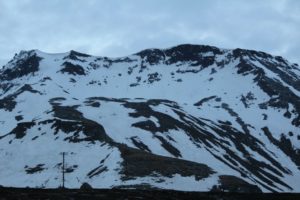
When Mountains Become Magic
There’s something extraordinary about watching a child experience snow for the first time. Their eyes widen. Their breath catches. And suddenly, the world transforms into a wonderland where everything feels possible.
Arnav’s story isn’t just about a destination. It’s about how certain places touch our souls so deeply that age becomes irrelevant. At three years old, most children are still learning to express their feelings. Yet, Arnav could articulate exactly what he loved about Rohtang Pass; the endless white carpet of snow, the mountains that seemed to touch the sky, and the pure joy of sliding down snowy slopes.
According to local travel experts, families with young children frequently visit Rohtang Pass during the tourist season, making it clear that this high-altitude paradise has a universal appeal that transcends age barriers.
The First Touch of Snow
Imagine tiny fingers reaching out to touch snow for the first time. The cold shock. The wetness. The way it crunches between small palms trying to shape it into something meaningful. For Arnav, that first touch at Rohtang wasn’t just a sensory experience; it was a gateway to pure wonder.
The cold breeze touching his face didn’t make him retreat. Instead, it made him laugh. The crunch of snow under his boots became a rhythm he wanted to repeat over and over. White mountains stretching endlessly before him weren’t intimidating; they were an invitation to explore, to play, to be fully present in a moment that would define his childhood.
Children don’t see destinations as checklists. They see them as experiences. While adults worry about permits, weather conditions, and the challenging 51-kilometer journey from Manali, children like Arnav simply see possibility.
The Real Rohtang Experience
Rohtang Pass stands at 3,979 meters above sea level, making it one of the highest motorable passes in India. But for a four-year-old, numbers mean nothing. What matters is how the thin mountain air feels different, how clouds move so close they seem touchable, how every breath becomes visible in the cold.
The journey to Rohtang itself becomes part of the magic. As your vehicle climbs higher, the landscape transforms. Green valleys give way to rocky terrain. Trees become sparse. And then, suddenly, you’re surrounded by snow; not the dirty, trampled snow of city winters, but pristine, untouched whiteness that sparkles under the Himalayan sun.
For Arnav, every curve in the winding road built anticipation. Every glimpse of white peaks through the car window made his heart race a little faster. And when they finally arrived, when his parents lifted him out of the car and his boots sank into real snow, something clicked inside him; a memory being formed in real-time.
The Simple Joys That Create Lasting Memories
What did Arnav do at Rohtang? The same things children have done for generations when confronted with snow and freedom.
He threw snowballs; not very well at first, his small hands struggling to pack the snow tight enough. But with each attempt, his technique improved, and his giggles grew louder. He slipped and slid on icy patches, finding humor in his own clumsiness rather than frustration. He tried to build a snowman, though it looked more like a lumpy snow pile with pebble eyes.
These aren’t Instagram-worthy moments. They’re messy, imperfect, and absolutely real. And that’s precisely why they matter.
Families visiting Rohtang Pass can engage in various snow activities like building snowmen, skiing, and snowboarding, but the most memorable moments often happen spontaneously; in the spaces between planned activities, when children are simply allowed to be children.
Parents often underestimate what captures a child’s imagination. It’s not the expensive resorts or fancy restaurants. It’s the freedom to roll in the snow without being told to be careful. It’s the permission to get completely soaked and cold while making snow angels. It’s the trust that says, “Go explore, I’m right here.”
When a Place Becomes a Favorite
What makes a four-year-old declare a place their favorite? What internal metric does a young mind use to rank experiences?
For Arnav, Rohtang wasn’t just visually stunning; it engaged all his senses. The biting cold that made his cheeks rosy. The sound of wind whistling through mountain passes. The taste of hot chocolate sipped in makeshift roadside stalls. The smell of pine trees mixed with crisp mountain air. The feeling of accomplishment when he climbed a small snow mound all by himself.
Memory researchers suggest that multi-sensory experiences create stronger neural pathways. When a child experiences something with their whole body and mind, it embeds itself deeper than any photograph could capture.
A year after his first visit, Arnav didn’t need his parents to suggest Rohtang. He asked for it. He remembered it. He wanted to return to that feeling, that place, that version of himself who felt brave and free and utterly happy.
The Journey That Teaches Patience
The drive from Manali to Rohtang Pass takes around 2-3 hours, though during peak season it may take considerably longer due to traffic. For adults, this can feel tedious. For children, it’s an adventure in itself.
Arnav learned to wait. He learned that good things require patience. He learned that sometimes the journey is just as important as the destination. Through winding mountain roads, through patches where mobile signals disappeared, through stretches where the only entertainment was watching the landscape change; he learned that anticipation enhances joy.
His parents didn’t need to constantly entertain him with screens or distractions. The mountains did that work. Every turn revealed something new; a waterfall cascading down rocky cliffs, local shepherds guiding their flocks, or a sudden clearing offering panoramic views that made everyone in the car gasp.
This is what travel should teach children: that the world is vast and beautiful, that patience is rewarded, that discomfort is temporary, and that some experiences are worth the effort.
A Year-Round Wonder
Rohtang Pass generally opens from May to October, with exact dates varying each year based on snow clearance and weather conditions. This limited accessibility makes it even more special for visitors.
For families planning to visit with young children, understanding the seasonal variations is crucial. May and June offer fresh snow at higher elevations with relatively pleasant daytime temperatures ranging from 10 to 25 degrees Celsius. July and August bring unpredictable weather; sunshine can turn to snowfall within minutes, adding an element of dramatic beauty and teaching children about nature’s power.
September and October provide clearer skies and spectacular views, though snow coverage begins to recede. Each season offers a different version of Rohtang, but all share that magical quality that captivates young minds.
Watch this beautiful family journey to Rohtang Pass: Rohtang Pass Family Adventure
Making It Child-Friendly
Taking a young child to an altitude of nearly 4,000 meters requires preparation. Many families successfully visit Rohtang every year with proper warm clothing, reliable vehicles, and early starts.
Arnav’s parents made sure he wore layers; thermal innerwear, a fleece jacket, and a waterproof outer layer. They rented proper snow boots to keep his feet warm and dry. They carried extra clothes knowing he’d get soaked playing in the snow. They planned for frequent breaks, understanding that a three-year-old can’t handle long periods in extreme cold.
Most importantly, they watched for signs of altitude sickness; headaches, nausea, unusual tiredness. Children can’t always articulate discomfort, so observant parents become crucial.
But here’s what they didn’t do: they didn’t let fear stop them. They didn’t decide Arnav was too young. They didn’t limit the experience because of perceived challenges. They trusted that with proper preparation, their son could handle; and love; this adventure.
The Emotional Geography of Childhood
Child psychologists talk about “emotional geography”; the way certain places become embedded in our emotional landscape. Rohtang became part of Arnav’s emotional geography at an age when most memories are still forming and fleeting.
Why do some childhood places stick with us forever? Because they make us feel something profound. For Arnav, Rohtang represented freedom, discovery, and unconditional happiness. It became the standard against which future experiences would be measured.
When he grows older, the details might blur; he might not remember the exact shape of the mountains or the specific snow activities. But he’ll remember the feeling. He’ll remember being small and brave. He’ll remember his parents’ laughter. He’ll remember the moment he realized the world was bigger and more beautiful than he’d imagined.
What Rohtang Teaches Us About Childhood
Arnav’s story challenges our assumptions about travel. We often think elaborate planning, expensive accommodations, and age-appropriate activities are what make family trips successful. But sometimes, the most profound experiences come from simply placing a child in front of something magnificent and stepping back.
Children don’t need entertainment when they have engagement. They don’t need distraction when they have wonder. They don’t need constant stimulation when they have snow, mountains, and permission to explore.
Visitors experience childlike joy playing in the snow at Rohtang Pass, regardless of their age. Perhaps that’s the secret; Rohtang doesn’t just appeal to children; it awakens the child in all of us.
The Practical Magic of Rohtang
Let’s talk logistics for families inspired by Arnav’s story:
Getting There: Rohtang Pass sits 51 kilometers north of Manali on the Manali-Keylong Highway. The journey takes 2-3 hours under normal conditions.
Permits: Tourist vehicles require permits with daily limits. Book in advance, especially during peak season (May-October).
Best Time for Young Children: May, June, September, and early October offer more stable weather. Avoid monsoon months when roads become more challenging.
Essential Items:
- Warm, layered clothing
- Waterproof boots
- Sunscreen (mountain sun is intense)
- Sunglasses
- Emergency medicines
- Extra clothes
- Snacks and water
- Plastic bags for wet clothes
Activities for Young Children:
- Building snowmen
- Gentle sledding
- Snow angel making
- Snowball throwing
- Short walks in designated safe areas
- Hot chocolate breaks
Creating Family Traditions
What if we viewed travel not as checking off destinations but as creating traditions? Arnav’s yearly return to Rohtang could become a family tradition; a annual pilgrimage to the place that shaped his early childhood. Each visit would reveal how he’s grown, what new activities he can attempt, how his perspective has shifted.
These traditions anchor families. They create continuity in an ever-changing world. They give children something to look forward to and adults something to reflect upon.
Imagine Arnav at fifteen, still visiting Rohtang, now attempting advanced skiing. At twenty-five, bringing his own friends. At thirty-five, introducing his children to the mountains that made him who he is. That’s the power of a place that captures you young.
Travel as Education
That chilling breeze, those steep ways, and the beautiful alps are something which should not be missed. Rohtang Pass, a high mountain pass 51 kilometers from Manali, is surely worth a visit; not just for the views, but for what it teaches.
For children like Arnav, travel is education that doesn’t feel like education. He learned about:
- Geography: Mountains, altitude, weather patterns
- Resilience: Handling cold, managing discomfort, persevering
- Wonder: Experiencing awe, appreciating beauty
- Independence: Exploring safely, making small decisions
- Family bonds: Shared experiences, mutual support
No classroom could teach these lessons as effectively. No book could create the same neural pathways. No video could replicate the feeling of standing on top of a mountain pass, small and brave and completely alive.
When Children Lead the Way
There’s something humbling about a four-year-old knowing what they want. Adults often overthink travel decisions, weighing pros and cons, reading endless reviews, seeking perfect conditions. Arnav simply said, “I want to go back to the snow mountains.”
His clarity teaches us something: we complicate what should be simple. We add layers of concern to what could be straightforward joy. We forget that the best experiences often come from following our hearts rather than algorithms and recommendations.
Perhaps we should take travel advice from four-year-olds more often. They don’t care about luxury accommodations or gourmet meals. They care about experiences that make them feel alive. They prioritize wonder over comfort, adventure over convenience, authenticity over perfection.
The Science Behind the Magic
Research in developmental psychology shows that novel experiences in early childhood; especially those involving nature and mild physical challenge; contribute significantly to cognitive development and emotional resilience. The sensory richness of places like Rohtang stimulates multiple areas of a developing brain simultaneously.
Cold activates certain neural pathways. Physical activity in challenging terrain builds spatial awareness. Visual wonder stimulates creativity. The combination creates a neurological symphony that standard childhood experiences rarely achieve.
But you don’t need to know the science to see it working. You just need to watch a child’s face light up when they see mountains for the first time. You just need to hear their excited chatter recounting adventures. You just need to notice how they grow braver, more confident, more curious.
Addressing the Skeptics
“But isn’t four too young for such a challenging destination?”
This question comes from a place of care, but perhaps also from underestimation. Children are remarkably adaptable. They handle cold better than we think. They recover from altitude changes faster than adults. They find joy in circumstances that would frustrate older travelers.
The real question isn’t whether children can handle places like Rohtang. It’s whether adults can handle taking children to places like Rohtang; managing the logistics, staying flexible, prioritizing experience over convenience.
Arnav’s parents could have waited until he was older, more “ready.” But readiness is often an excuse for postponement. His three-year-old self was exactly ready enough.
Creating Your Own Rohtang Story
If Arnav’s story resonates with you, if you’re wondering whether your young child might also fall in love with these mountains, here’s what matters most:
Preparation over Perfection: Plan for safety and comfort, but accept that things won’t be perfect. Wet clothes, tired complaints, schedule changes; these are part of the adventure, not obstacles to it.
Presence over Photography: Take photos, yes, but don’t experience the trip through a screen. Be present. Notice your child’s reactions. Engage with their wonder. The best memories aren’t always captured; sometimes they’re just felt.
Patience over Pace: Let the experience unfold at a child’s rhythm. If they want to play in one spot for an hour, let them. If they need frequent breaks, take them. Fighting a child’s natural pace creates stress that overshadows everything else.
Wonder over Worry: Yes, be cautious. But don’t let caution kill curiosity. Balance safety with freedom. Trust that with proper supervision, children can handle more than we give them credit for.
The Unexpected Gift of Rohtang
Here’s what Arnav’s parents didn’t anticipate: watching their son discover his own resilience would strengthen their own. Seeing him brave the cold and ask for more would make them braver in other areas of life. His pure joy would remind them why they became parents in the first place.
Travel with children isn’t easy. It requires more bags, more planning, more patience. But it offers gifts that solo travel never could; seeing the world through new eyes, rediscovering wonder you’d forgotten existed, creating shared stories that bind families together.
Rohtang gave Arnav more than memories. It gave him confidence. It showed him that he could handle challenges, that the world was full of beauty, that adventures were worth the discomfort. These lessons will serve him long after he’s forgotten the specific details of those visits.
The Invitation
We underestimate children’s ability to feel deeply. We assume youth equals shallow experience. But Arnav proves otherwise. At three, then four, he formed attachments to a place that many adults visit once and forget.
Travel isn’t about age, budget, or perfect planning. It’s about moments; the moment snow first touches small hands, the moment a child realizes mountains are real and not just pictures, the moment families share silence because the view speaks louder than words.
Sometimes, the smallest travelers have the strongest memories.
So here’s the invitation: don’t wait until your children are “old enough.” Don’t postpone experiences assuming they won’t appreciate them. Take them to the mountains. Let them touch snow. Watch them discover their own capacity for wonder.
Rohtang is waiting. Not just as a destination on a map, but as an experience that transforms. For you. For your children. For your family story that deserves chapters written in the language of adventure, written at altitudes where the air is thin but the memories are rich.
That three-year-old who fell in love with snow-covered mountains has taught us something profound: magic doesn’t ask for permission, and wonder doesn’t wait for convenient timing. They show up in moments when we’re brave enough to step outside our comfort zones and trust that the journey is worth it.
Are you ready to create your own Rohtang story?
Comments from the Founder
Nikhil Raj Sharma, Founder, Himalayan Geographic:
“Arnav’s story perfectly captures what we at Himalayan Geographic believe in; that the mountains don’t discriminate by age. They welcome everyone willing to experience their magic. I’ve seen countless families transformed by their Himalayan experiences, but there’s something particularly special about watching young children discover these landscapes. They teach us that wonder isn’t about knowledge or preparation; it’s about openness to experience.
Rohtang Pass represents everything beautiful about Himalayan tourism; accessibility combined with authenticity, challenge balanced with reward, adventure seasoned with safety. When a four-year-old can articulate their love for a place, it speaks to the universal language of natural beauty that these mountains offer.
This article reminds us why we document these stories. Travel narratives shouldn’t just inform; they should inspire. They should make readers question their own assumptions about what’s possible, what’s appropriate, what’s worth the effort. If Arnav’s journey encourages even one family to step outside their comfort zone, we’ve succeeded in our mission.”
Explore More:
- Plan Your Rohtang Pass Journey
- Family-Friendly Himalayan Destinations
- Watch: Rohtang Pass Family Adventures
“Disclaimer: The content and images published in this article are provided for general informational and educational purposes only. Some images may be generated or enhanced using artificial intelligence (AI) and are intended solely for illustrative use. The views, interpretations, and information expressed do not necessarily reflect the official position of Himalayan Geographic Research Foundation, nor do they constitute professional, legal, medical, or financial advice.
While efforts are made to ensure accuracy, no guarantees are given regarding completeness or reliability. Readers are encouraged to independently verify information and use their own judgment. By reading this article, you acknowledge that any reliance on the content is at your own risk, and Himalayan Geographic Research Foundation assumes no responsibility or liability for disagreements, interpretations, or outcomes arising from its use. If you do not agree with these terms, you are advised to discontinue reading.”
