
Kalinchowk, Nepal’s budget-friendly spiritual haven at 3,842 meters. Experience divine blessings, snow-capped Himalayan views, and affordable adventures perfect for young explorers and pilgrims alike.
Did you know that you can stand above the clouds, witness Mount Everest’s majesty, seek blessings from a powerful goddess, and experience snowfall; all for less than NPR 7,000? Welcome to Kalinchowk, Nepal’s best-kept secret that’s transforming how young travelers experience the Himalayas.
In a world where mountain adventures often demand thick wallets and weeks of vacation time, Kalinchowk emerges as a refreshing exception. This sacred hilltop destination combines spiritual fulfillment, breathtaking natural beauty, and wallet-friendly accessibility. Whether you’re a student planning your first solo trip, a pilgrim seeking divine blessings, or an adventure enthusiast craving mountain air, Kalinchowk welcomes everyone with open arms.
Where Faith Meets Sky
Perched at 3,842 meters above sea level in Nepal’s Dolakha district, the Kalinchowk Bhagwati Temple isn’t just another religious site. It’s where heaven literally touches earth.
The Legend That Lives
Ancient mythology whispers through the mountain winds here. According to local folklore, Goddess Kali meditated at Sumeru Parvat when dark forces attempted to overpower her. Lord Shiva intervened with his sacred Trishul and holy water, empowering Kali to triumph over evil. Her right arm is believed to have fallen at this very spot, making Kalinchowk one of the revered Shakti Peethas.
This isn’t just a story locals tell tourists. It’s a living belief that draws thousands of devotees annually, especially during Dashain and Chaite Dashain festivals when the temple transforms into a vibrant celebration of faith.
A Pilgrimage With Purpose
What makes Kalinchowk special isn’t just its altitude or mythology. It’s the tangible sense of peace that washes over visitors. The temple atmosphere feels different from touristy religious sites. There’s authenticity here; a genuine spiritual energy that pilgrims describe as transformative.
Devotees believe that prayers offered at Kalinchowk Bhagwati Temple bring strength, protection, and fulfillment of wishes. Many visitors report feeling a profound sense of calm and clarity after their visit. The journey itself becomes a meditation; each step upward feels like shedding worldly worries.
The temple follows traditional Nepali architecture with intricate wood carvings. Inside the main sanctuary, the idol of Goddess Bhagwati sits adorned with flowers, bells, and colorful scarves. The sacred pond near the temple holds holy water that pilgrims collect, believing it carries divine blessings for both spiritual and worldly benefits.
A Universal Experience
Here’s what’s beautiful about Kalinchowk: you don’t need to be deeply religious to feel something special. Travelers from all backgrounds report experiencing a sense of connection; whether it’s with nature, with themselves, or with something greater. The thin mountain air, the prayer flags fluttering in the wind, the distant sound of temple bells; it all creates an atmosphere that transcends religious boundaries.
The Views That Steal Hearts
If the spiritual experience doesn’t leave you speechless, the scenery definitely will.
Standing Above the Clouds
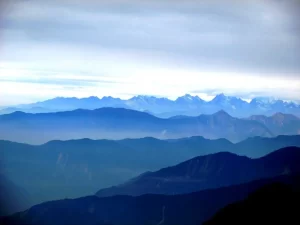
Imagine waking up before dawn, hiking to the temple summit, and watching the sun paint the Himalayas gold. From Kalinchowk’s vantage point, on clear days, you can witness some of the world’s most spectacular peaks: Mount Gaurishankar (7,134 meters), Langtang Lirung (7,227 meters), Mount Dorje Lhakpa (6,966 meters), Ganesh Himal, and on exceptionally clear days, even Mount Everest itself.
The panoramic views feel surreal. You’re not just looking at mountains; you’re standing among them, feeling their ancient presence. The 360-degree vista encompasses snow-capped peaks, rolling valleys, terraced farmlands, and traditional villages that look like they’ve been painted onto the landscape.
Winter Wonderland
December through February transforms Kalinchowk into something from a fairy tale. Heavy snowfall blankets everything; trees, pathways, the temple itself. The entire region becomes a winter playground where visitors can experience snow activities, build snowmen, have snowball fights, or simply marvel at the pristine white landscape.
For many Nepali students and young travelers who’ve never experienced snowfall, Kalinchowk offers their first magical encounter with winter’s beauty. The excitement is palpable; groups of friends laughing, taking photos, tasting snow for the first time. It’s these moments that make Kalinchowk more than just a destination; it becomes a memory factory.
The Sunrise That Changes Everything
Ask anyone who’s been to Kalinchowk about their most memorable moment, and they’ll tell you about the sunrise. Starting your hike around 5 AM might sound brutal, but that pre-dawn trek becomes a meditative journey. As you ascend through darkness, anticipation builds. Then, slowly, the sky begins to change. First purple, then pink, then gold.
When the sun finally breaks over the Himalayan peaks, bathing everything in warm light, time stops. It’s one of those rare moments that justifies every travel hashtag, every inspirational quote about wanderlust. It’s a reminder of why we travel; to witness beauty that transforms us.
Rhododendron Romance
If you visit during spring (March to May), you’re in for a different kind of spectacle. The hiking trails become tunnels of blooming rhododendrons; Nepal’s national flower. The hillsides explode in reds, pinks, and whites. Combined with clear skies and moderate temperatures, spring at Kalinchowk offers picture-perfect conditions for trekking and photography.
The Budget Traveler’s Paradise
Here’s where Kalinchowk becomes truly revolutionary: it proves that extraordinary experiences don’t require extraordinary budgets.
Real Numbers, Real Affordability
A complete two-day trip to Kalinchowk from Kathmandu can cost as little as NPR 4,000-7,000 per person (approximately USD 30-53). Let’s break down the budget:
Transportation: Bus to Charikot costs NPR 500-700. Shared jeep from Charikot to Kuri Village adds NPR 1,000-2,000. Some travelers save even more by hitchhiking portions of the route; a common and safe practice in rural Nepal.
Accommodation: Basic lodges in Kuri Village start at just NPR 1,000-1,500 per night. These aren’t luxury resorts, but they’re clean, cozy, and offer exactly what trekkers need: a warm bed and hot meals. Mid-range options (NPR 2,000-3,000) provide attached bathrooms and mountain views that five-star hotels couldn’t compete with.
Food: Traditional Nepali meals—dal, bhat, tarkari (rice, lentils, vegetables); cost around NPR 300-500 per meal. Breakfast might be NPR 200-300. The food is simple but delicious and energy-packed for hiking. Many lodges also offer momos (dumplings) and Tibetan bread.
Activities: The cable car costs NPR 650 one-way or NPR 1,300 round trip for Nepali citizens. For budget travelers, hiking remains free and infinitely more rewarding. The trek from Kuri Village to the temple takes about 1-2 hours; manageable for most fitness levels.
Total Budget Trip: NPR 4,000-6,000 per person for two days, including everything except personal snacks and souvenirs.
Why Students Love It
Kalinchowk has become wildly popular among student groups and young professionals for several reasons:
Weekend-Friendly: You can complete the entire trip in two days, making it perfect for weekend adventures without missing classes or work.
Group Discounts: Travel agencies offer student packages and group rates. Splitting costs among friends makes it even more affordable; shared jeeps, shared accommodation, shared meals mean shared savings.
No Special Equipment Needed: Unlike technical treks that require expensive gear, Kalinchowk needs only basic items: warm clothes, comfortable shoes, a backpack, sunscreen, and a water bottle. Most students already own everything required.
Instagram-Worthy: Let’s be honest; the social media factor matters to young travelers. Kalinchowk delivers stunning photos: snow selfies, sunrise shots, temple backgrounds, mountain panoramas. Your feed will thank you.
Safety in Numbers: The route is well-traveled and considered very safe. Mobile connectivity exists (though spotty), and locals are friendly and helpful. For first-time solo travelers or all-girls groups, these factors provide reassurance.
Accessibility Revolution
The introduction of Nepal’s first cable car at Kalinchowk in recent years revolutionized accessibility. For elderly pilgrims, people with mobility challenges, or travelers short on time, the five-minute gondola ride eliminates the steep hike. This democratization of access means more people can experience Kalinchowk’s magic, regardless of physical ability.
However, most young travelers still prefer hiking. The trek itself becomes part of the adventure; passing through rhododendron forests, chatting with fellow trekkers, stopping for tea at small shops, and earning those summit views through effort.
Kalinchowk vs Other Destinations
Consider this: a trek to Everest Base Camp costs NPR 100,000-150,000 and requires 12-14 days. Annapurna Base Camp runs NPR 50,000-80,000 for 7-10 days. Even a weekend trip to Pokhara can easily exceed NPR 10,000 with transportation, hotels, and activities.
Kalinchowk delivers Himalayan views, spiritual experiences, adventure opportunities, and cultural immersion at a fraction of these costs. It’s not about being cheap; it’s about being smart. For students managing tight budgets, this means the difference between staying home and actually exploring their country.
The Complete Kalinchowk Experience
Day 1: Journey to the Clouds
Most trips begin early morning from Kathmandu. The 5-6 hour drive to Charikot follows the Araniko Highway toward the Tibet border. The journey itself offers entertainment; winding mountain roads, riverside views, small towns, roadside tea shops, and glimpses of rural Nepali life.
Charikot, the Dolakha district headquarters, makes a convenient lunch stop. The town offers shops, restaurants, and the famous Dolakha Bhimsen Temple; a triangular, roofless temple with fascinating architecture and its own interesting mythology.
From Charikot, the route changes dramatically. The final 17 kilometers to Kuri Village traverse rough, unpaved roads through dense forests. This bumpy section feels adventurous; 4WD jeeps navigate steep inclines and sharp turns while passengers marvel at the changing landscape. As altitude increases, vegetation shifts, temperatures drop, and anticipation builds.
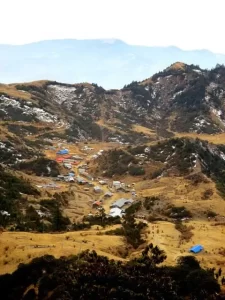
Arriving at Kuri Village feels like entering a different world. This small settlement exists primarily to serve pilgrims and tourists. Colorful prayer flags flutter everywhere. Lodges and tea shops line the narrow paths. The air is crisp and thin. Mountains loom on all horizons.
After checking into your lodge, spend the evening exploring Kuri Village. Chat with locals. Sample local snacks. Watch the sunset paint the mountains in shades of gold and purple. Share stories with fellow travelers around a bonfire. The atmosphere is communal and warm; strangers become friends quickly at this altitude.
Day 2: The Magic Hour
Wake-up call comes around 5 AM. Yes, it’s early. Yes, it’s cold. Yes, it’s completely worth it.
The pre-dawn hike to Kalinchowk Temple takes 1-2 hours depending on pace and fitness. Carry flashlights or headlamps; the trail is well-defined but dark. Many hikers start together, creating a moving constellation of lights winding uphill. There’s something meditative about this silent procession toward the sacred summit.
As you climb, you’ll notice the air getting thinner. Take breaks. Hydrate. Enjoy the journey. Other hikers offer encouragement. Local porters pass by with impossible loads balanced perfectly. The sense of shared purpose creates instant camaraderie.
Reaching the temple area as dawn breaks is timed perfectly. Find a spot with good views. Watch the world wake up. The sunrise here isn’t just beautiful; it’s spiritual, regardless of your beliefs.
After sunrise and temple darshan (worship), explore the area. The main temple sits at the edge of a dramatic cliff. Prayer flags create a colorful canopy. Small shrines dot the landscape. The sacred pond reflects sky and mountains. Even if you’re not Hindu, the energy here is palpable and welcoming.
The descent is easier but offers different perspectives. In morning light, you notice details missed during the dark climb; wildflowers, birds, distant villages, the play of light on mountain slopes.
Back at Kuri Village, a hearty breakfast tastes like the best meal ever. After packing up, begin the return journey to Kathmandu, carrying memories that will last much longer than the physical fatigue.
Alternative Itineraries
Cable Car Option: For those who prefer not to hike or have limited time, take the cable car up and back. This allows a full day trip from Kathmandu without overnight stays. However, you miss the sunrise and the satisfaction of earning the views through effort.
Extended Stay: Some travelers add extra days for skiing activities (winter only), exploring nearby villages, or simply soaking in the mountain atmosphere. Kuri Village makes a peaceful base for digital detox and reflection.
Combined Tours: Many agencies offer packages combining Kalinchowk with other Dolakha attractions like Dolakha Bhimsen Temple, creating more comprehensive cultural experiences.
Practical Tips for Your Kalinchowk Adventure
When to Visit
Winter (December-February): Best for snowfall and snow activities. Expect temperatures between -5°C to -15°C. Pack heavy winter gear. The landscape is magical but conditions are challenging. Roads may close during heavy snowfall; check weather forecasts.
Spring (March-May): Ideal for trekking. Moderate temperatures (5°C-15°C), blooming rhododendrons, clear skies. This is the sweet spot for most travelers; comfortable weather with great visibility.
Autumn (September-November): Another excellent period with clear weather and moderate temperatures. Post-monsoon clarity means spectacular mountain views. However, it’s also the busiest season, so book accommodation in advance.
Summer/Monsoon (June-August): Generally avoided due to rain, clouds, and limited visibility. Roads become muddy and dangerous. However, it’s the greenest season if you don’t mind the weather.
What to Pack
Essential Items:
- Warm layers (thermals, fleece, down jacket)
- Waterproof jacket
- Comfortable trekking shoes with good grip
- Warm socks and gloves
- Hat or beanie
- Sunglasses and sunscreen (UV intensity increases with altitude)
- Water bottle (stay hydrated)
- Headlamp or flashlight
- Basic first-aid kit
- Personal medications
Optional but Recommended:
- Trekking poles (helpful on steep sections)
- Power bank (electricity can be unreliable)
- Snacks (energy bars, dry fruits)
- Camera (your phone works too)
- Portable chargers
- Cash (ATMs unavailable in Kuri Village)
Health and Safety
Altitude Considerations: At 3,842 meters, mild altitude effects are possible. Stay hydrated, avoid alcohol, and ascend slowly. If you feel severe headaches, dizziness, or nausea, descend immediately.
Physical Fitness: The trek is moderate difficulty. If you can climb stairs without gasping, you can handle Kalinchowk. However, the thin air makes everything more challenging; pace yourself.
Weather Preparedness: Mountain weather changes rapidly. Even if you start in sunshine, carry rain gear. Layers are key; you can always remove them if it warms up.
Booking and Logistics
Independent Travel: Perfectly doable. Public buses run regularly from Kathmandu to Charikot. Shared jeeps to Kuri Village depart when full. Accommodation can be found on arrival, except during peak seasons (then book ahead).
Tour Packages: Numerous agencies offer 1-night/2-day packages including transportation, meals, and accommodation. Prices range from NPR 5,000-7,000 per person for budget packages. Group tours offer convenience and often better rates.
Best Booking Approach: For first-timers, joining a group tour reduces stress. For experienced travelers comfortable with uncertainty, independent travel offers more flexibility and potential savings.
Nikhil Raj Sharma, Founder of Himalayan Geographic Research Foundation
“When we talk about sustainable mountain tourism, Kalinchowk represents everything done right. It’s a destination that benefits local communities without destroying the environment, welcomes budget travelers without compromising experience, and preserves cultural heritage while adapting to modern needs.
What excites me most about Kalinchowk is its accessibility. Too often, Himalayan experiences remain exclusive; expensive, time-consuming, requiring specific fitness levels or technical skills. Kalinchowk breaks these barriers. A college student saving from their allowance can afford this trip. A senior citizen can take the cable car. A family with young children can enjoy this together.
This democratization of mountain experiences is crucial. When young people from Kathmandu or Terai regions visit Kalinchowk, they’re not just tourists; they’re connecting with their Himalayan heritage. They’re understanding why conservation matters. They’re supporting local economies. They’re creating memories that shape their relationship with nature.
The spiritual dimension adds another layer. In our increasingly hectic, screen-dominated lives, places like Kalinchowk offer what technology never can; genuine peace, perspective, and connection to something greater than ourselves. Whether you call it God, nature, or simply the universe, that connection is healing.
From an organizational perspective, Himalayan Geographic Research Foundation sees Kalinchowk as a model for community-based tourism. The local residents haven’t been displaced or marginalized; they’re active participants. The lodges are family-run. The jeep drivers are locals. The temple maintains its authentic practices. Tourism has brought opportunity without eroding culture.
We encourage young explorers to visit Kalinchowk not just as tourists but as learners. Talk to the lodge owners about their lives. Ask about local traditions. Respect the sacred spaces. Minimize your environmental impact. Leave only footprints, take only photographs; and maybe a few transformative memories.
For students planning their first independent trip, Kalinchowk offers the perfect training ground. It’s challenging enough to feel like an adventure but safe enough for beginners. It teaches you how to budget, how to interact with locals, how to handle unexpected situations, how to travel responsibly. These lessons will serve you throughout your life.
The mountains have always been Nepal’s greatest resource, but they’re also fragile. As we promote destinations like Kalinchowk, we must balance access with preservation. Support local businesses. Don’t litter. Stay on marked trails. Respect wildlife. Be mindful of your water and energy consumption. Every traveler has the power to be part of the solution or part of the problem.
Ultimately, Kalinchowk proves that meaningful travel doesn’t require big budgets or luxury facilities. It requires open hearts, curious minds, and respectful attitudes. When you stand at that temple at sunrise, watching mountains emerge from darkness, surrounded by fellow seekers from different backgrounds; that’s when you understand what travel is really about.”
The Environmental Story
Kalinchowk sits within the Gaurishankar Conservation Area, where two major rivers; Sun Koshi and Tamakoshi; originate. This ecological significance adds responsibility to every visit.
Recent years have seen increased environmental awareness among local operators. Many lodges now implement waste management systems. Plastic bottles are discouraged in favor of refillable water stations. Designated trails minimize erosion and vegetation damage.
However, challenges remain. During peak season, the influx of visitors creates waste management issues. Proper toilet facilities struggle to keep pace with demand. Some areas show signs of overuse.
As a visitor, your choices matter. Bring reusable water bottles. Pack out what you pack in. Use toilets responsibly. Don’t pick flowers or disturb wildlife. Support lodges practicing environmental responsibility. These small actions collectively protect Kalinchowk for future generations.
Cultural Immersion
Beyond temples and mountains, Kalinchowk offers cultural insights often missed in quick itineraries.
The local Tamang and Newar communities maintain traditions passed through generations. Their homes showcase traditional architecture adapted to harsh mountain conditions. Their food reflects centuries of culinary evolution in resource-limited environments. Their hospitality embodies the Nepali concept of “Atithi Devo Bhava” (guest is god).
Take time to experience local culture. Try tongba (warm millet-based drink) in winter evenings. Sample sel roti (traditional rice donut) for breakfast. Watch how locals weave prayer flags or make butter from yak milk. Learn a few Nepali phrases; even basic greetings earn big smiles.
These interactions transform trips from mere tourism into cultural exchange. You’re not just taking photos; you’re building bridges, understanding different life perspectives, and contributing to local livelihoods.
The Social Media Reality
Yes, Kalinchowk is Instagram-worthy. Yes, those sunrise photos will get likes. Yes, the snow selfies look amazing.
But here’s a humble suggestion: before posting, before the carefully curated captions, spend time actually present. Put down your phone for a moment. Watch the sunrise without a screen between you and the mountains. Feel the cold wind. Hear the temple bells. Smell the juniper incense. Taste the mountain air.
The best memories aren’t always photographed. Sometimes they’re just felt.
That said, when you do share your Kalinchowk experience, share it responsibly. Tag locations accurately. Credit local businesses you recommend. Mention the environmental and cultural sensitivities. Inspire others to visit; but also to respect.
Planning Your First Kalinchowk Adventure
Ready to experience this magical destination? Here’s your starter checklist:
Three Months Before:
- Research travel dates based on your preferred season
- Start saving (budget NPR 5,000-7,000)
- Find travel companions or join group tours
- Follow weather patterns for your planned period
One Month Before:
- Book transportation and accommodation if traveling during peak season
- Arrange leave from work or classes
- Start light physical training (climbing stairs, short hikes)
- Purchase or borrow needed gear
One Week Before:
- Check weather forecasts
- Confirm all bookings
- Pack according to expected conditions
- Inform family/friends of your plans
- Download offline maps
Day Before:
- Charge all electronics
- Pack food/snacks
- Double-check you have all essentials
- Get adequate sleep
Trip Day:
- Leave early to maximize daylight
- Stay flexible; mountain travel requires patience
- Stay hydrated and nourished
- Enjoy every moment!
Why Kalinchowk Matters
In an era of global travel, Kalinchowk reminds us that extraordinary experiences exist in our backyards. Nepali youth don’t need to dream only of Paris or New York; their own country offers wonders matching anything abroad.
This matters for several reasons:
Economic Impact: When Nepalis travel domestically, money stays within the country, supporting local businesses and communities. Every rupee spent at Kuri Village lodges directly impacts Nepali families.
Cultural Preservation: Domestic tourism creates incentive to preserve traditions and sacred sites. When young Nepalis value their heritage, it survives.
Environmental Awareness: Experiencing Himalayan beauty firsthand creates environmental stewards. You protect what you love, and you love what you know.
Confidence Building: Successfully planning and executing a mountain trip builds self-confidence and life skills. It proves you’re capable of more than you thought.
Community Building: Shared adventures create bonds. The friendships forged on Kalinchowk trails last lifetimes.
Who Visits Kalinchowk?
The Pilgrim: “I come here every Dashain. It’s not just about prayer; it’s about renewal. The journey tests you physically and spiritually. When I reach the temple and offer my prayers, I feel the goddess’s presence. All year’s burdens seem to lift. I return home recharged, ready to face whatever comes.”
The Student Group: “We saved for three months to afford this trip. Six of us from college, first time traveling without parents. We were nervous but excited. The sunrise moment; we all cried. No joke. Something about being there together, seeing those mountains, realizing how small we are but also how capable. We returned different. More confident. More connected. We’re already planning our next adventure.”
The Solo Traveler: “After my breakup, I needed to be alone but not lonely. Kalinchowk gave me space to think but surrounded me with supportive energy. The other travelers, the locals, even the mountains themselves; everything felt welcoming. I did a lot of healing on that hilltop. Sometimes you need to climb high to gain perspective on what’s below.”
The Photography Enthusiast: “I’ve photographed many locations, but Kalinchowk offers unique opportunities. The way morning light hits those peaks, the prayer flags creating natural frames, the contrast of human spirituality against raw nature; it’s a photographer’s dream. Plus, the affordability means I can return multiple times, capturing different seasons, different moods.”
The Family: “Taking our kids to Kalinchowk was educational. They learned about their culture, experienced real mountains (not just photos), understood that happiness doesn’t require five-star resorts. The simple lodge, the shared meals, the early morning hike; these became the highlights. Our teenagers initially complained but ultimately thanked us. It’s the trip they talk about most.”
The Future of Kalinchowk
As popularity grows, Kalinchowk faces challenges and opportunities. Infrastructure improvements continue; better roads, more lodges, enhanced services. The cable car brought accessibility but also questions about preserving the pilgrimage experience.
Local communities work to balance progress with preservation. Tourism provides income but shouldn’t destroy what makes Kalinchowk special. It’s a delicate dance performed by stakeholders; government, locals, operators, visitors.
Your role as a traveler? Be part of positive change. Choose operators committed to sustainability. Respect local culture. Minimize environmental impact. Spread word about responsible travel. Support communities directly.
Kalinchowk’s magic lies in its authenticity. May it always remain a place where spirituality, nature, and affordability converge; where every explorer, regardless of budget or background, can touch the sky.
Your Journey Awaits
Mountains don’t care about your bank account. Sunrise doesn’t discriminate by social class. Spiritual peace isn’t reserved for the wealthy. Kalinchowk embodies these truths.
Whether you seek divine blessings, natural beauty, adventure thrills, budget travel, cultural immersion, or simply escape from routine; Kalinchowk delivers. At 3,842 meters, surrounded by the world’s highest peaks, breathing thin mountain air, you’ll understand why this place has become legendary among young Nepali travelers.
The journey from Kathmandu begins with a decision. The journey to your true self begins at Kalinchowk’s summit.
Pack your bags. Gather your courage. Set your alarm for an ungodly hour. The mountains are calling.
Have you experienced Kalinchowk’s magic? What moment touched your heart? Share your stories in the comments below! And if you’re planning your first visit, what questions can we answer? Let’s build a community of Kalinchowk explorers supporting each other’s adventures.
Helpful Resources
YouTube Vlogs for Visual Inspiration:
While we couldn’t locate specific Kalinchowk vlogs, these Nepal travel channels often feature budget-friendly mountain destinations similar to Kalinchowk:
- Nomadic Indian (Deepanshu Sangwan) – Covers Nepal destinations with cost breakdowns
- Tanya Khanijow – Detailed travel itineraries across South Asia
- Distance Between (Shubham Gupta) – Budget travel guides and visa processes
- Harish Bali – Cultural explorations and local food experiences
Search “Kalinchowk vlog” or “Kalinchowk tour” on YouTube to find latest traveler experiences and visual guides.
For More Information:
- Himalayan Geographic Research Foundation
- Nepal Tourism Board
- Local tour operators in Kathmandu’s Thamel area
Comments from Nikhil Raj Sharma, Founder Himalayan Geographic:
“Kalinchowk represents everything I believe travel should be; accessible, transformative, and respectful of local communities and environment. When young Nepalis can afford to explore their own Himalayan heritage, we’re building the next generation of conservationists and cultural ambassadors. Every student group that visits Kalinchowk returns with more than photos; they return with purpose.”
“The beauty of Kalinchowk lies not in luxury facilities but in authentic experiences. That pre-dawn hike teaches patience. The simple lodge meals teach gratitude. The local interactions teach humanity. These lessons far exceed anything expensive resorts could provide. We need more destinations that prioritize experience over expense, community benefit over corporate profit.”
“I encourage every young person reading this: plan that Kalinchowk trip. Stop making excuses about budget or time. Your own country offers wonders you’re scrolling past while dreaming of foreign lands. Start here. Start now. The mountains are teaching patience; how much longer will you make them wait?”
Disclaimer: The content and images published in this article are provided for general informational and educational purposes only. Some images may be generated or enhanced using artificial intelligence (AI) and are intended solely for illustrative use. The views, interpretations, and information expressed do not necessarily reflect the official position of Himalayan Geographic Research Foundation, nor do they constitute professional, legal, medical, or financial advice.
While efforts are made to ensure accuracy, no guarantees are given regarding completeness or reliability. Readers are encouraged to independently verify information and use their own judgment. By reading this article, you acknowledge that any reliance on the content is at your own risk, and Himalayan Geographic Research Foundation assumes no responsibility or liability for disagreements, interpretations, or outcomes arising from its use. If you do not agree with these terms, you are advised to discontinue reading.
