
Himalayan languages diversity is under threat; discover how the Himalayas, a cradle of linguistic richness, are facing a silent extinction as unique language forms disappear. Explore the rich oral traditions at risk and what we can do to save these rare tongues before they vanish forever.
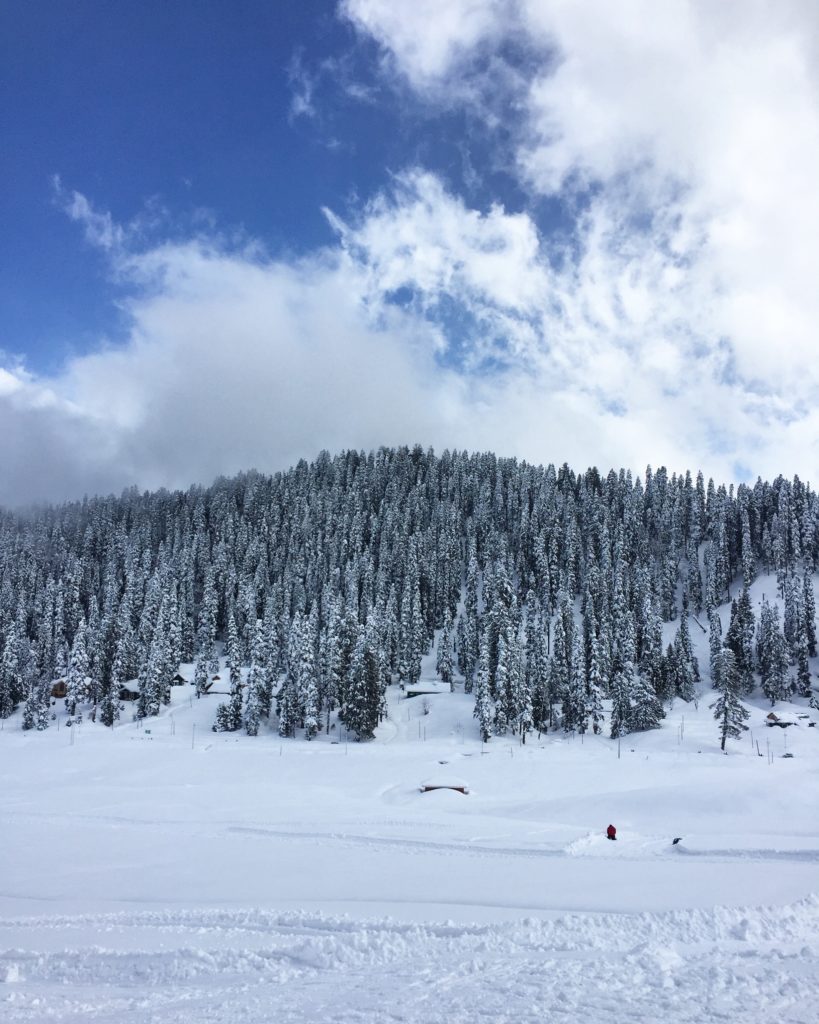
Himalayan languages is under threat. Imagine a world where a language vanishes every two weeks. That’s the alarming reality facing our planet’s linguistic diversity. But nowhere is this silent extinction more profound than in the towering embrace of the Himalayas. Here, in remote valleys and hidden hamlets, micro-languages ; whispers of ancient cultures, unique Himalayas language forms ; are fading faster than the mountain mist, threatening to take with them centuries of unique knowledge and oral traditions.
This isn’t just about losing words; it’s about losing entire ways of understanding the world. These vibrant “tongues of the Himalayas,” shaped by altitude and isolation, hold the secrets to surviving harsh environments, the wisdom of generations, and stories that bind communities. Yet, they are teetering on the brink. What will it take to listen, record, and revive them before this precious Himalayan language diversity is gone forever?
The Untamed Cradle: How Isolation Birthed Linguistic Wonders
Think about the sheer scale of the Himalayas. Peaks pierce the sky, valleys plunge to dizzying depths, and passes become impassable for months. For millennia, these geographical barriers have acted as natural incubators, allowing small groups of people to live in profound isolation. And what happens when people are isolated? They develop unique ways of communicating, giving rise to distinct Himalayas language variations.
This is how micro-languages, often spoken by only a few hundred or even dozens of people, came into being. Each valley became its own linguistic laboratory. Imagine a small community, cut off from their neighbors by a treacherous river or a formidable ridge. Over generations, their way of speaking would subtly shift, adapting to their specific environment and needs. New words would emerge for plants, animals, and geological features unique to their home. Grammatical structures might simplify or become more complex in ways that suit their daily lives.
These aren’t just dialects; they are often distinct languages, mutually unintelligible to people living just a few valleys away. For example, in Arunachal Pradesh, a single Indian state in the eastern Himalayas, over 50 indigenous languages are spoken, many of which are endangered. It’s a linguistic tapestry woven by the very fabric of the mountains, showcasing incredible Himalayas language diversity.
The Silent Erosion: Why the Himalayas Face a Linguistic Tsunami
So, if these languages are so resilient, why are they disappearing now at such an alarming rate? The very isolation that fostered their growth is now being chipped away by the relentless march of modernity. This erosion poses a dire threat to every unique Himalayas language.
- Roads and Connectivity: New roads, while bringing economic opportunities, also bring in dominant languages. When a young person from a remote village goes to the nearest town for education or work, they quickly realize the need to speak Nepali, Hindi, or Mandarin. Their mother tongue, a specific Himalayas language vital for their community, becomes less relevant in the wider world.
- Education Systems: Formal education often prioritizes national or regional languages. Children are taught in Hindi or Nepali, not in their ancestral tongue. This creates a disconnect, as the language of the classroom is different from the language of the home, leading to a devaluation of the latter and putting stress on the traditional Himalayas language.
- Media and Technology: The ubiquitous smartphone, with its access to popular music, movies, and social media, largely operates in dominant languages. Young people, naturally drawn to these platforms, immerse themselves in content that doesn’t cater to their micro-language. This digital divide further isolates the fragile Himalayas language forms.
- Economic Pressures: As people migrate from their villages to cities in search of better livelihoods, the social fabric that sustains these languages unravels. When families move, children grow up speaking the dominant language of their new environment, and the chain of intergenerational transmission breaks, weakening the hold of their ancestral Himalayas language.
- Lack of Documentation: Many of these languages exist purely as oral traditions. They have no written script, no dictionaries, no recorded histories. When the last fluent speakers pass away, the language dies with them, leaving behind only echoes. This is especially true for many remote Himalayas language varieties.
The Himalayan belt isn’t just losing biodiversity; it’s losing linguistic diversity at a pace that should send shivers down our spines. Some experts even predict that the region could become the next great linguistic extinction zone for Himalayas language forms.
Voices from the Past: The Invaluable Wisdom Encoded in Oral Traditions
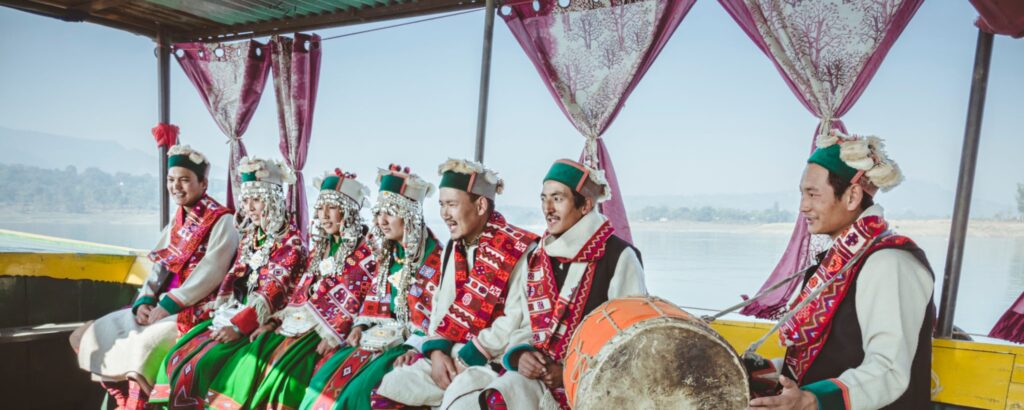
What do we lose when a language dies? So much more than just words. We lose entire worldviews. Think about the unique ways these languages describe the mountains, the weather, the plants and animals that sustain life at high altitudes. Every Himalayas language has its own unique lexicon for these elements.
Imagine a language with dozens of specific terms for different types of snow, each with its own nuance for predicting avalanches or finding safe passage. Or a language whose vocabulary for medicinal plants is so precise that it can identify remedies for ailments unknown to Western medicine. These are not mere anecdotes; they are tangible bodies of knowledge embedded within each Himalayan language.
Many Himalayan languages are intrinsically linked to rich oral traditions – epic poems, ancient myths, traditional songs, and detailed genealogies. These aren’t written down in books; they live in the memories of elders. When a language disappears, these stories, these intricate narratives that explain the community’s history, values, and relationship with their environment, vanish too. It’s like losing a priceless library without ever knowing what treasures it contained, a library written in the unique script of a Himalayan language.
- A Story from the Field: During my time researching in a remote Lahauli village, I met an elderly woman who spoke a dialect of Bhoti that was truly unique to her valley. She shared a folk tale about a mischievous mountain spirit, a story passed down through countless generations. The intricate details of the landscape in her narrative, the specific names for peaks and rivers, were utterly captivating and could only be truly appreciated in her native tongue – a distinct Himalayas language form. It was a stark reminder of the depth of cultural loss that occurs when these linguistic threads are severed.
The Uphill Battle: What Can We Do to Listen, Record, and Revive?

The good news is that it’s not too late. There are dedicated individuals and organizations working tirelessly to document and revitalize these endangered languages. But it’s an uphill battle, requiring a multi-pronged approach to save each unique Himalayas language:
- Documentation and Archiving: The immediate priority is to record these languages. This means creating dictionaries, grammars, and oral histories with fluent speakers. Imagine YouTube channels dedicated to showcasing these languages, or podcasts featuring elders sharing their wisdom. For example, the Endangered Languages Project [https://www.endangeredlanguages.com/], while global, shows how documentation efforts can help save a Himalayas language. Search YouTube for “Himalayan language documentaries” to see inspiring efforts already underway, like videos showcasing the unique sounds of the Lahauli-Spiti dialects.
- Language Revitalization Programs: This involves teaching younger generations their ancestral languages. This could be through community-led initiatives, language camps, or even integrating indigenous languages into local school curricula. The success of the Livonian language revival in Latvia, though far from the Himalayas, offers a beacon of hope for any struggling Himalayas language.
- Digital Tools and Technology: We can harness technology to make these languages accessible and engaging. Language learning apps, online dictionaries, and even social media platforms in indigenous languages can play a crucial role. Think of a TikTok trend where young people share phrases in their disappearing mother tongue – a fantastic way to popularize a Himalayas language! Perhaps a “Himalayan Language App Challenge” could encourage young developers to create tools for these languages, similar to how apps are being developed for Irish or Welsh.
- Policy and Recognition: Governments need to recognize the importance of linguistic diversity and implement policies that protect and promote these languages. This includes funding for language programs and providing resources for communities to maintain their linguistic heritage, ensuring the survival of every Himalayas language.
- Community Empowerment: Ultimately, the future of these languages rests with the communities themselves. Empowering local people to take ownership of their linguistic heritage, to be proud of their unique speech, is paramount. This could involve cultural festivals celebrating their language and traditions, fostering a renewed love for their Himalayas language.
The winds of change are blowing through the Himalayas, and they carry both the promise of progress and the threat of loss. “We must not stand idly by as these ancient voices are silenced,” states Nikhil Raj Sharma, founder of Himalayan Geographic. “Each disappearing word is a lost piece of our collective human story, especially when it comes to the unique Himalayas language forms.”
What are your thoughts on this silent extinction of Himalayas language? Have you ever encountered a language that fascinated you with its uniqueness? Share your experience in the comments below!
“We strive to use only images that are either royalty-free, in the public domain, or shared with appropriate permissions. However, if you believe any image on this website has been used without proper credit or violates copyright, please contact us immediately. We will promptly review the content and, if necessary, update the attribution or remove the image without delay. We do not claim ownership of any third-party images unless explicitly stated.”
