
How walking slow at Everest Base Camp became a profound life lesson about patience, trusting the process, and finding strength in consistency over speed. A transformative journey through the Himalayas.
The altitude hit me harder than I expected.
At 12,000 feet, my lungs screamed for oxygen that simply wasn’t there. My heart pounded like a drum solo I never asked for. And there, ahead of me on the rocky trail to Everest Base Camp, my guide stopped and turned around with a knowing smile.
“Bistarai, bistarai,” he said gently, patting the air with his palms in a downward motion.
Slowly, slowly.
The Universal Lesson Hidden in Two Simple Words
That moment changed everything. Not just about my trek; but about how I approached life itself.
Here’s a surprising fact: studies show that mountaineers who rush at high altitude are 40% more likely to suffer from altitude sickness. The fittest athletes often struggle the most because they push too hard, too fast. Meanwhile, those who embrace the slow, steady pace tend to reach their destination safely.
Sound familiar? In our hustle culture, we’re told that faster is better. More productivity. More achievements. More, more, more.
But Everest Base Camp taught me something radically different. Sometimes, the slowest steps take you the farthest.
When Speed Becomes Your Enemy
Let me paint you a picture of what fast looks like at altitude.
Day three of our trek. A young climber from Australia, incredibly fit and eager, decided he could handle the pace better than our guide suggested. He sprinted up the stone steps near Namche Bazaar while the rest of us took careful, measured steps.
By evening, he was vomiting in his tent. By morning, he was on a helicopter back to Kathmandu.
His body couldn’t adapt. He pushed when he should have paused. He rushed when he should have rested.
The mountains don’t reward speed. They reward respect.
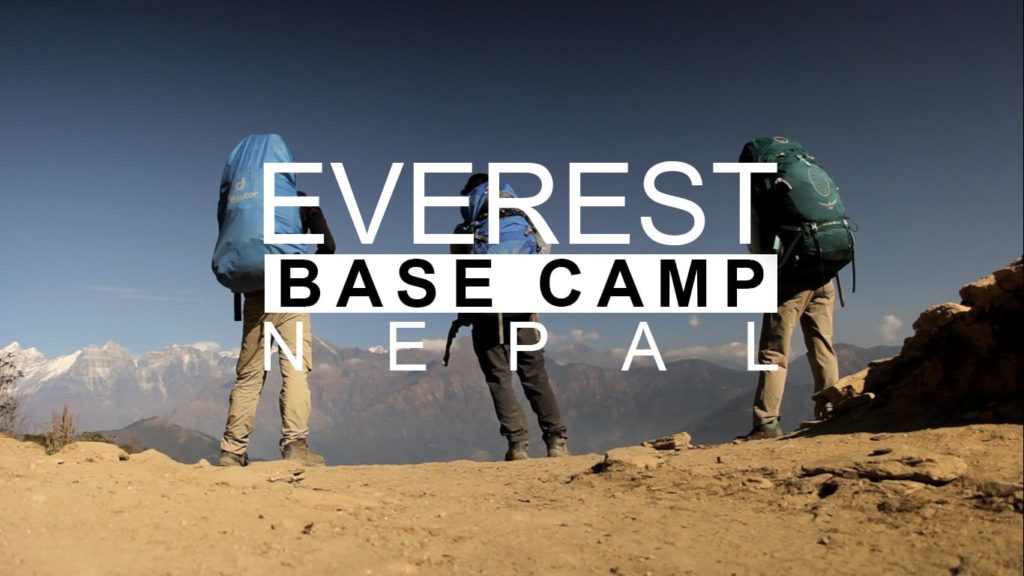
The Sacred Rhythm of Bistarai Bistarai
In Nepal, “bistarai” means more than just slowly. It’s a philosophy. A way of life woven into the fabric of Himalayan culture.
The Sherpas have trekked these mountains for generations. They understand something we outsiders often miss. Progress isn’t measured in miles per hour. It’s measured in breaths per step. In heartbeats per moment.
Watch a Sherpa climb. Notice how they never rush. Their feet find the ground with intention. Their breathing stays steady. They move like they have all the time in the world.
Because they do.
And so do you.
Listening to Your Body
On day five, my body started talking. Actually, it was screaming.
My knees ached from the constant climbing. My shoulders burned from my pack. Every muscle begged me to stop. But the voice in my head; the one trained by years of pushing through discomfort; told me to keep going.
Then our guide, Pasang, stopped the group.
“Your body is your best teacher,” he said, looking directly at me. “When it whispers, listen. When it shouts, you must obey.”
That afternoon, we took an extra rest day in Dingboche. Some trekkers grumbled about falling behind schedule. But our guide was firm. Your body needs time to acclimatize. To adjust. To adapt.
And here’s what I learned: taking that rest day didn’t slow us down. It saved us.
Everyone who listened to their body made it to Base Camp. Several who didn’t ended their journey early.
The Paradox of Progress
Think about this paradox for a moment.
The climbers who walked slowest arrived first. The ones who rushed fell behind. The people who rested reached the summit. Those who pushed without pause never made it.
This isn’t just true for trekking. It’s the secret pattern of sustainable success.
In work, relationships, personal growth; speed often becomes the enemy of progress. We burn out. We make careless mistakes. We miss the beauty of the journey while fixating on the destination.
Walking slow at Everest Base Camp taught me that real progress has a different rhythm. It’s about consistency, not intensity. Patience, not pressure. Trust, not force.
When Life Feels Like Uphill Climbing
Let’s be honest. Life is exhausting right now.
The world demands we run when we can barely walk. Our jobs expect peak performance every single day. Social media shows everyone else sprinting ahead while we struggle up our own mountains.
But what if we’re doing it all wrong?
What if the answer isn’t to go faster, but to go slower and more intentionally?
On the trail to Everest Base Camp, I watched people from every corner of the world face the same challenge. Doctors, teachers, engineers, artists; all of us united by the need to slow down.
The mountain forced us to strip away the illusion of constant hustle. To confront our limits. To respect our pace.
And something beautiful happened. We started connecting. Sharing stories. Supporting each other through difficult sections. The journey became richer because we weren’t racing through it.
The Science Behind Walking Slow
Your body performs an incredible feat at high altitude. With every thousand feet of elevation, available oxygen drops by about 3%. By the time you reach Everest Base Camp at 17,598 feet, you’re breathing air that contains roughly half the oxygen you’re used to.
Your body responds by creating more red blood cells. Your heart works harder. Your lungs expand. But this adaptation takes time; days, sometimes weeks.
Push too hard too fast, and you trigger altitude sickness. Headaches, nausea, dizziness, and in severe cases, life-threatening conditions like HACE or HAPE.
The solution? Walk slower than feels natural. Rest more than seems necessary. Give your body the time it needs to evolve.
The same principle applies everywhere. Your career needs time to develop. Relationships need space to deepen. Skills need patience to master. Healing needs time to happen.
We can’t hack biology. We can’t shortcut adaptation. We can only honor the process.
Trusting the Process When Everything Says Rush
Day eight. The final push to Base Camp.
I woke up at 3 AM with butterflies in my stomach. This was it. The goal I’d trained months for. The dream I’d held onto through countless training hikes.
Part of me wanted to sprint. To get there fast and prove something to myself. But Pasang’s words echoed in my mind: “The mountain is not going anywhere. But you might, if you rush.”
So I walked slow. Deliberately slow. Step by step. Breath by breath.
And you know what? The journey became meditation.
I noticed things I would have missed in a rush. Prayer flags dancing in the wind. Yak trains passing with bells jingling. The way morning light painted the peaks in shades of pink and gold.
I felt things I would have numbed out with speed. Gratitude for my legs carrying me. Awe at the landscape. Connection with fellow trekkers walking their own pace.
The slowness wasn’t weakness. It was wisdom.
What Burnout Taught Me About Mountains
Before this trek, I was burned out. Completely fried.
I’d spent three years grinding at a startup. Eighty-hour weeks. Constant stress. The belief that if I just worked harder, pushed more, sacrificed everything; I’d finally succeed.
Instead, I collapsed. Physically. Mentally. Emotionally.
The mountains became my therapy. And the lesson hit hard: I’d been approaching everything like a sprint when life is actually an ultra-marathon.
You can sprint for a while. But eventually, your body gives out. Your mind rebels. Your spirit breaks.
Sustainable success requires a sustainable pace.
At Everest Base Camp, watching the sun rise over the Khumbu Icefall, I made a promise to myself. I would carry “bistarai, bistarai” home with me. I would walk through life with the same patience and respect I learned on this trail.
The Lie We Tell Ourselves About Progress
Here’s the lie we’ve been sold: if you’re not constantly improving, you’re falling behind.
Wrong.
Real growth happens in the spaces between effort. In rest. In reflection. In the slow integration of lessons learned.
A tree doesn’t grow by constantly stretching upward. It grows by deepening its roots, weathering seasons, and trusting the process of life itself.
Your growth works the same way. Some days you climb. Some days you rest. Some days you just breathe and exist.
All of it matters. All of it counts as progress.
Practical Wisdom from the Trail
Walking slow at Everest Base Camp taught me these practical lessons I use every day:
Start before you’re ready, but pace yourself intentionally. You don’t need to be perfectly prepared. You just need to begin and adjust your speed based on feedback.
Honor your body’s signals, not your mind’s demands. Your body knows what it needs. Your ego just has opinions.
Rest is not the opposite of progress; it’s part of it. Every rest day made the next climbing day possible.
Compare yourself only to your yesterday self. Some people climbed faster. Some slower. None of that mattered to my journey.
The destination means nothing without the journey. Base Camp was beautiful. But the trek there transformed me.
When Going Slow Feels Like Giving Up
I get it. Slowing down feels like quitting to a culture obsessed with speed.
When everyone around you is hustling, grinding, and pushing limits; choosing patience feels like cowardice. Resting feels like laziness. Setting boundaries feels like weakness.
But here’s what I learned on that mountain: there’s a huge difference between quitting and being strategic.
Quitting is stopping because it’s hard. Strategic pacing is pausing because it’s wise.
Quitting is giving up on the goal. Strategic pacing is honoring the process that gets you there.
The climbers who made it to Base Camp weren’t the strongest or fastest. They were the wisest. They understood that arriving safely and sustainably matters more than arriving first.
The Moment Everything Changed
Standing at Everest Base Camp, prayer flags snapping in the wind, I felt something shift inside me.
All those months of training. All those early mornings and tired evenings. All those moments of doubt and fear.
They led here. To this exact moment. To this profound understanding.
Life isn’t a race. It’s a pilgrimage.
And pilgrims don’t run. They walk. Slowly. Intentionally. With reverence for each step.
Looking up at Everest towering above; 29,032 feet of rock and ice and impossibility—I understood why people spend years preparing to climb it. Why Sherpas treat it as sacred. Why it demands your respect before it grants you passage.
The mountain doesn’t care about your deadlines. Your productivity goals. Your need to prove yourself.
It only responds to one thing: humility.
Carrying Bistarai Home
Three months have passed since I returned from Everest Base Camp.
My life looks different now. Not because everything changed externally. But because everything shifted internally.
I still work hard. But I rest intentionally. I still have goals. But I hold them loosely. I still strive. But I don’t sacrifice my wellbeing for speed.
When work gets overwhelming, I hear Pasang’s voice: “Bistarai, bistarai.”
When I’m tempted to rush through important moments, I remember the climber on the helicopter.
When I feel behind, I think about how the slowest walkers arrived first.
The power of walking slow isn’t about laziness. It’s about sustainability. It’s about honoring your humanity while pursuing your dreams.
Your Personal Everest
You don’t need to trek to Everest Base Camp to learn this lesson. Your personal Everest is right in front of you.
Maybe it’s healing from trauma. Building a business. Raising children. Recovering from illness. Learning a new skill. Navigating a career transition.
Whatever your mountain, the principle remains the same: the slowest steps often take you the farthest.
You can’t hack the altitude. You can’t shortcut adaptation. You can only honor the process, listen to your body, and trust that slow and steady really does win.
Not because it’s fast. But because it’s sustainable. Because it respects your limits. Because it allows you to actually enjoy the journey instead of just enduring it.
The Summit Isn’t the Point
Here’s the final twist in this story. Reaching Everest Base Camp wasn’t the achievement.
Learning to walk slow was.
Standing at Base Camp meant I’d climbed to 17,598 feet. But learning patience, trusting my pace, and respecting my limits; that meant I’d grown in ways altitude can’t measure.
The trophy isn’t the destination. It’s who you become on the way there.
And I became someone who understands that sometimes, the most radical thing you can do in a world obsessed with speed is to deliberately walk slow.
To honor your pace. To trust your process. To believe that arriving whole matters more than arriving first.
Resources to Explore
If you’re inspired to learn more about trekking and the philosophy of slow walking, check out these resources:
Documentary: Journey to Base Camp – An award-winning short documentary showing the real experiences of trekkers on their journey to Everest Base Camp.
Documentary: 40 Days at Base Camp – An intimate look at life at Everest Base Camp over an entire climbing season.
Training Guide: How to Train for Everest Base Camp – Comprehensive preparation guide emphasizing the importance of slow, steady training.
Your Invitation
So here’s my invitation to you. Whatever mountain you’re climbing right now; literal or metaphorical; try walking slower.
Try listening more carefully to your body. Try trusting the process even when others race ahead. Try believing that your pace is perfect for you.
Because it is.
The mountains taught me that speed is overrated. That patience is power. That sometimes, the slowest steps really do take you the farthest.
Bistarai, bistarai, my friend. Slowly, slowly.
The summit will still be there. But you need to arrive there intact.
Editor’s Note from Nikhil Raj Sharma, Founder of Himalayan Geographic
“This article beautifully captures what we at Himalayan Geographic have long understood; the mountains are more than terrain to conquer. They’re teachers. The philosophy of ‘bistarai bistarai’ isn’t just trekking advice; it’s a roadmap for sustainable living in our modern world.
As someone who has guided countless trekkers through the Himalayas, I’ve witnessed this transformation repeatedly. People arrive stressed, rushed, disconnected from themselves. The mountains slow them down, strip away the unnecessary, and reveal what truly matters.
This is why we share these stories. Not to glamorize adventure tourism, but to preserve and spread the wisdom embedded in Himalayan culture. The Sherpas have known for generations what science is now proving; that patience, respect for natural rhythms, and sustainable pacing create better outcomes than force and speed.
Whether you ever trek to Everest Base Camp or not, may you carry this lesson into your daily life: progress isn’t always measured in speed, but in wisdom, sustainability, and the courage to honor your own pace.”
Disclaimer: The content and images published in this article are provided for general informational and educational purposes only. Some images may be generated or enhanced using artificial intelligence (AI) and are intended solely for illustrative use. The views, interpretations, and information expressed do not necessarily reflect the official position of Himalayan Geographic Research Foundation, nor do they constitute professional, legal, medical, or financial advice.
While efforts are made to ensure accuracy, no guarantees are given regarding completeness or reliability. Readers are encouraged to independently verify information and use their own judgment. By reading this article, you acknowledge that any reliance on the content is at your own risk, and Himalayan Geographic Research Foundation assumes no responsibility or liability for disagreements, interpretations, or outcomes arising from its use. If you do not agree with these terms, you are advised to discontinue reading.
