
The 7 best pre-winter treks in the Himalayas for October-November. Experience crystal-clear mountain views, stable weather, and fewer crowds on these incredible trails perfect for adventure seekers.
Did you know that the Himalayas receive over 2 million trekkers annually, yet only 15% choose October-November; arguably the most spectacular trekking window of the year? While everyone chases summer expeditions or spring blooms, early winter quietly offers something magical: impossibly clear skies that reveal mountain vistas so sharp they feel unreal, crisp air that energizes every step, and trails blissfully free from monsoon crowds.
If you’ve ever scrolled through those Instagram-perfect mountain photos and wondered when they were taken, chances are it was during this golden window. The pre-winter months transform the Himalayas into a photographer’s paradise and a trekker’s dream.
Why October-November is the Sweet Spot for Himalayan Trekking
The monsoon has packed its bags. Winter’s harsh bite hasn’t arrived yet. What you get is nature’s brief intermission; a perfect balance that seasoned trekkers guard like a secret.
The weather becomes your ally. Unlike the unpredictable spring or soggy monsoon, October-November brings stable atmospheric conditions. Rain clouds have cleared out, leaving behind air so transparent that mountains 100 kilometers away appear within touching distance. Morning frost gives way to warm afternoon sunshine, creating comfortable trekking temperatures between 10-20°C during the day.
Visibility reaches its annual peak. Post-monsoon clarity means you’ll witness Himalayan giants in their full glory. Everest, Annapurna, Dhaulagiri, Manaslu; these peaks emerge from their cloudy veils with razor-sharp definition. Photographers call this the “golden hour season” because every hour seems golden.
Crowds thin out significantly. School vacations have ended. Peak summer tourists have returned home. The trails belong to serious trekkers and local communities preparing for winter. You’ll actually hear birds chirping instead of constant chatter, and mountain huts won’t be bursting at the seams.
The landscape wears autumn’s crown. Lower elevations glow with golden rhododendron leaves and amber grasslands. Higher up, fresh snow dusts the peaks like powdered sugar, creating postcard-perfect contrasts. It’s the Himalayas dressed in their finest before winter’s white blanket covers everything.
7 Best Pre-Winter Treks That Will Take Your Breath Away
1. Langtang Valley Trek; The Valley of Glaciers Reborn
Duration: 7-10 days | Difficulty: Moderate | Max Altitude: 4,984m (Kyanjin Ri)
Rising from the ashes of the devastating 2015 earthquake, Langtang Valley has rebuilt itself into one of Nepal’s most rewarding treks. October-November is when this valley truly shines.
The trek takes you through lush bamboo forests that gradually give way to alpine meadows, with Langtang Lirung (7,227m) dominating the skyline like a protective guardian. The Tamang villages you’ll pass through; Lama Hotel, Langtang Village, Kyanjin Gompa; offer warm hospitality and authentic cultural experiences that feel increasingly rare in commercialized trekking routes.
What makes it special in pre-winter: The yak cheese factories in Kyanjin Gompa operate at full capacity, the sunrise view from Tserko Ri reveals over 20 Himalayan peaks in crystal clarity, and the Gosaikunda lakes freeze into stunning ice formations by late November.
Ideal for: First-time Himalayan trekkers, photographers, and those seeking cultural immersion without extreme altitude challenges.
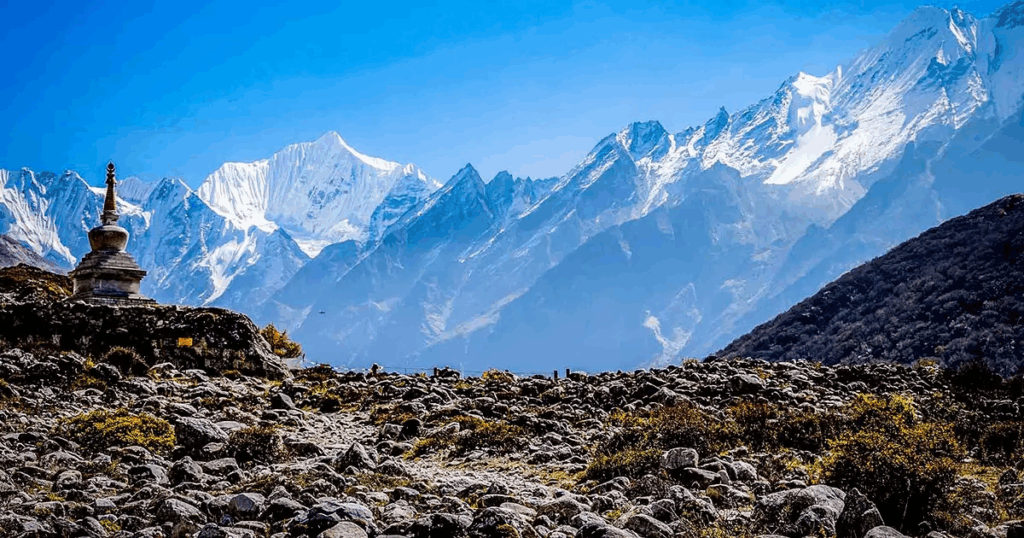
Watch this stunning Langtang Valley trek experience
2. Annapurna Base Camp; Walking into an Amphitheater of Giants
Duration: 7-12 days | Difficulty: Moderate to Challenging | Max Altitude: 4,130m
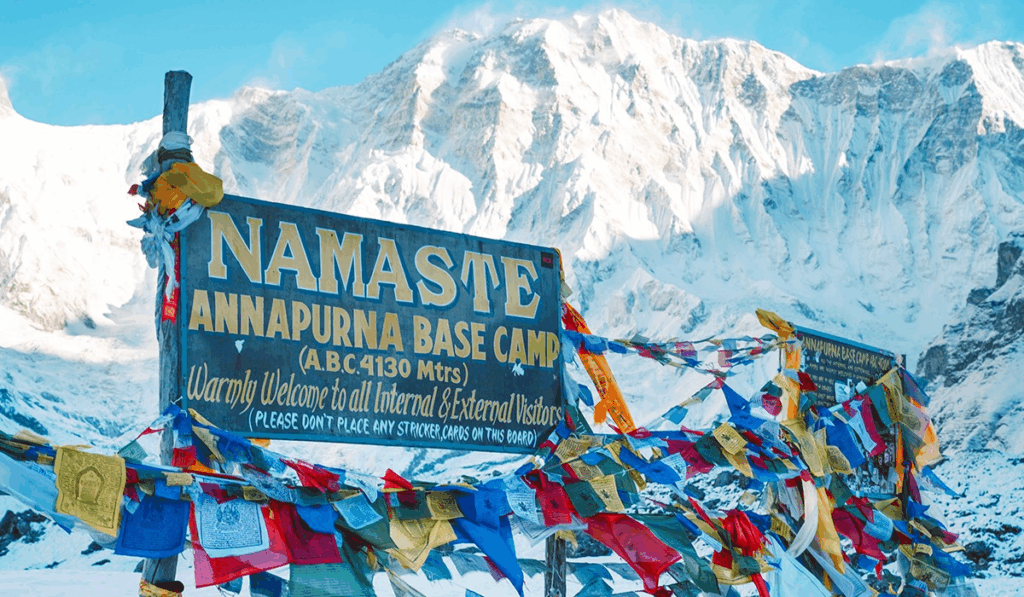
Imagine standing in a natural colosseum surrounded by 7,000+ meter peaks on all sides. That’s Annapurna Base Camp; and October-November is when this amphitheater delivers its most dramatic performance.
The trek follows the Modi Khola gorge, climbing through terraced farmlands, rhododendron forests, and traditional Gurung villages. Each day brings you deeper into the Annapurna Sanctuary, with the mountain walls growing taller and more imposing.
What makes it special in pre-winter: Morning views are so clear you can count the prayer flags fluttering on Machapuchare’s summit. The hot springs at Jhinu Danda offer the perfect muscle soak after trekking. Fresh snow on the surrounding peaks creates a stunning contrast with the golden meadows below.
Ideal for: Adventure enthusiasts ready for a challenging but achievable trek, groups of friends, and anyone who wants that “I climbed to base camp” bragging right.
Pro tip: Start early from Deurali to reach ABC for sunrise. The 360-degree mountain panorama bathed in golden light is worth every minute of sleep you’ll sacrifice.
3. Gosaikunda Trek; Where Mountains Meet Sacred Waters
Duration: 5-7 days | Difficulty: Moderate | Max Altitude: 4,380m
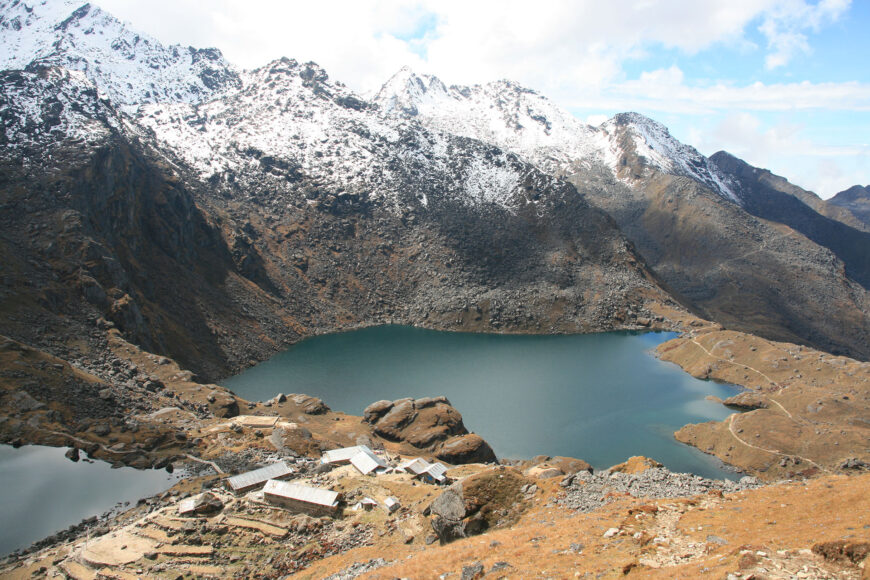
Hindu pilgrims have been visiting Gosaikunda’s sacred alpine lakes for centuries during the August full moon festival. But October-November offers something the crowds miss; the lakes beginning their winter freeze, creating ethereal ice patterns that look like nature’s artwork.
This trek combines spiritual significance with raw Himalayan beauty. You’ll climb from Dhunche through forests of oak and rhododendron, passing through traditional Tamang villages before reaching the pristine high-altitude lakes.
What makes it special in pre-winter: The crisp air creates mirror-perfect reflections of Langtang Himal in the lake waters. Early winter snow transforms the landscape into a monochrome masterpiece. The trail connects to Helambu, offering flexible route options.
Ideal for: Spiritual seekers, shorter-duration trekkers, and those wanting altitude experience without extreme elevation.
Local insight: Carry extra offerings (coins, flowers, incense) to participate in the lakeside rituals with local pilgrims you might encounter.
Explore Gosaikunda’s mystical beauty
4. Poon Hill Trek; The Perfect Introduction to Himalayan Trekking
Duration: 4-5 days | Difficulty: Easy to Moderate | Max Altitude: 3,210m
Don’t let the “easy” tag fool you; Poon Hill delivers panoramic mountain views that rival much longer, harder treks. This short trek packs maximum visual punch with minimum time commitment.
Starting from Nayapul, the trail winds through charming Gurung and Magar villages like Tikhedhunga, Ghorepani, and Ghandruk. The stone-paved paths, prayer wheels, and traditional houses create a cultural tapestry as rich as the mountain views.
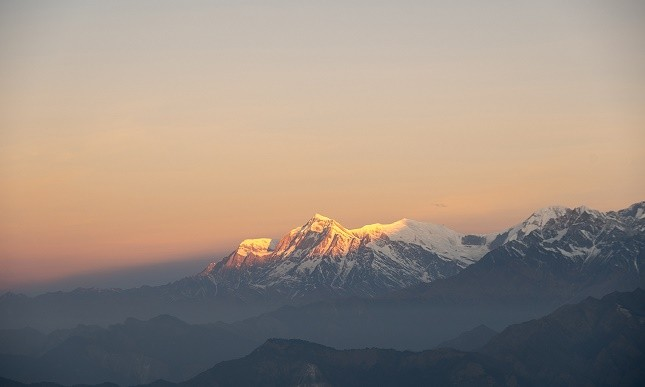
What makes it special in pre-winter: The pre-dawn climb to Poon Hill viewpoint rewards you with sunrise over the Annapurna and Dhaulagiri ranges; eight 7,000m+ peaks visible simultaneously. Rhododendron forests glow gold and crimson. Village homestays offer cozy warmth as temperatures drop.
Ideal for: Beginners, families with older children, time-constrained trekkers, and anyone testing their appetite for Himalayan adventures.
Money-saving hack: Stay in community lodges instead of commercial tea houses. You’ll pay less and contribute directly to village development.
5. Nag Tibba; The Serpent’s Peak of the Indian Garhwal
Duration: 2-3 days | Difficulty: Easy | Max Altitude: 3,022m
Welcome to India’s most accessible weekend Himalayan trek. Located just 90 kilometers from Dehradun, Nag Tibba is where Delhi’s adventure-starved crowd escapes for quick mountain fixes.
This compact trek climbs through dense oak and deodar forests before emerging onto meadows that offer 360-degree views of Swargarohini, Bandarpoonch, Kedarnath, and even distant Gangotri peaks.
What makes it special in pre-winter: Fresh snowfall often dusts the summit by late November, creating beginner-friendly snow trekking opportunities. Clear skies reveal the entire Garhwal range. The forest trail glows with autumn colors.
Ideal for: Weekend warriors, corporate teams, Delhi-NCR residents, and first-time trekkers wanting a taste of altitude.
Local legend: The temple at the summit is dedicated to the Serpent God (Nag Devta). Locals believe the serpent still protects the mountain, which explains why even first-time trekkers rarely face serious difficulties here.
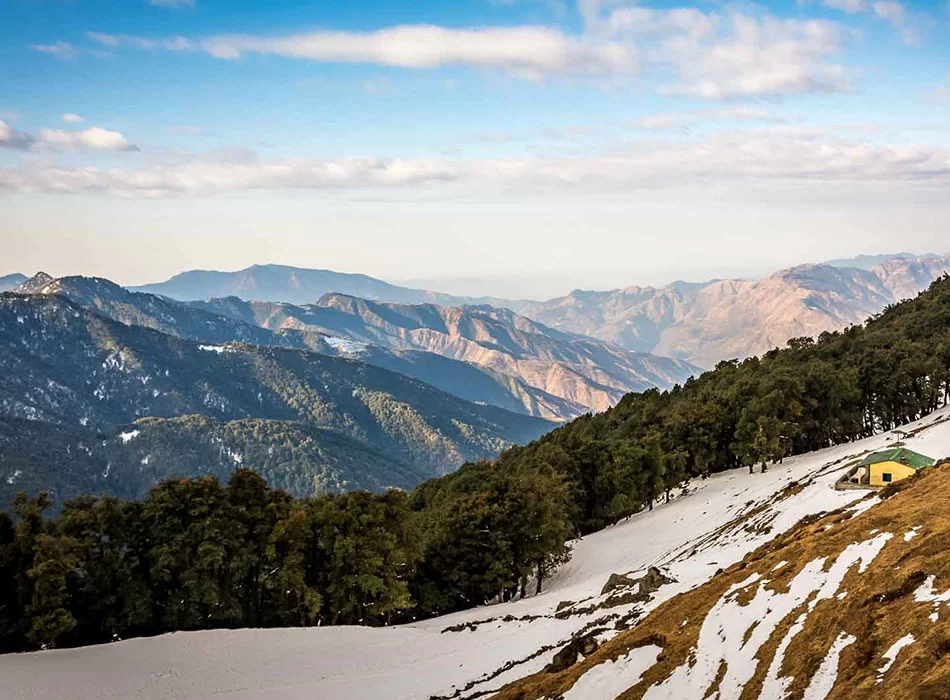
Check out this Nag Tibba weekend adventure
6. Everest View Trek; The Lazy Person’s Route to Earth’s Roof
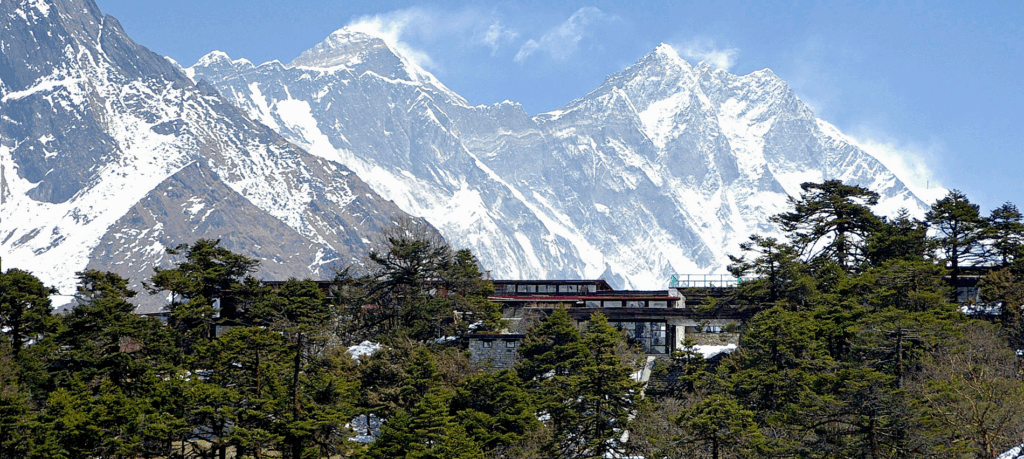
Duration: 6-8 days | Difficulty: Moderate | Max Altitude: 3,880m (Everest View Hotel)
Can’t commit to the full Everest Base Camp expedition? This shortened version takes you to Namche Bazaar and beyond, offering stunning Everest views without the two-week commitment or extreme altitude challenges.
Flying into Lukla starts your adventure with one of the world’s most thrilling airport landings. From there, you’ll trek through Sherpa heartland, visiting monasteries, markets, and mountain viewpoints that have hosted legendary mountaineers.
What makes it special in pre-winter: October-November brings the clearest Everest views of the year. The famous Saturday market in Namche buzzes with pre-winter trade. Hotel Everest View’s breakfast terrace offers coffee with a side of the world’s tallest mountain.
Ideal for: Time-conscious adventurers, Everest enthusiasts who aren’t ready for base camp, and travelers wanting Sherpa cultural immersion.
Acclimatization wisdom: Spend two nights in Namche Bazaar. Use the extra day to hike to Everest View Hotel or Khumjung village. Your body will thank you.
7. Valley of Flowers via Hemkund Sahib; Nature’s Last Bloom
Duration: 6-7 days | Difficulty: Moderate | Max Altitude: 4,633m (Hemkund Sahib)
Technically, the famous flower bloom happens in monsoon (July-August). But here’s what most people don’t know; early October catches the tail end of late-blooming species while enjoying post-monsoon clarity that the summer trekkers never experience.
This UNESCO World Heritage Site combines botanical wonders with spiritual significance. The glacial Hemkund Sahib lake, surrounded by seven mountain peaks, holds deep reverence for Sikhs and becomes even more stunning when ice begins forming at its edges in late October.
What makes it special in pre-winter: Reduced crowds mean you’ll have the valley mostly to yourself. The last flowers bloom against a backdrop of fresh snow on surrounding peaks. The trail conditions are dry and stable after monsoon maintenance.
Ideal for: Botanists, photographers, spiritual seekers, and trekkers who value tranquility over vibrant flower carpets.
Important note: This trek closes by mid-October due to snowfall, so plan for early October departure. Check local dates before booking.
Understanding Difficulty Levels
Easy Treks (Poon Hill, Nag Tibba): Daily walking time of 4-6 hours on well-maintained trails. Gradual elevation gains. Suitable for people with basic fitness who can climb 3-4 floors of stairs without gasping. No technical skills required.
Moderate Treks (Langtang Valley, Gosaikunda, Annapurna Base Camp, Everest View): Daily walking time of 5-8 hours with steeper sections. Altitude crosses 3,500m. Requires good cardiovascular fitness and mental determination. Prior hiking experience helpful but not mandatory.
Challenging Treks (High passes, extended routes): Longer days, technical sections, extreme altitude. These aren’t covered in detail here because October-November is better suited for the moderate treks that showcase the season’s strengths.
Your Pre-Winter Trekking Preparation Checklist
Physical Preparation (Start 8-12 weeks before)
- Build cardiovascular endurance through jogging, cycling, or swimming (3-4 times weekly)
- Practice uphill walking with a loaded backpack (start with 5kg, gradually increase)
- Strengthen legs through squats, lunges, and stair climbing
- Don’t skip rest days; recovery builds strength
Essential Gear Checklist
Layering System:
- Base layer: Moisture-wicking thermal tops and bottoms
- Mid layer: Fleece jacket or synthetic insulation
- Outer layer: Waterproof, windproof jacket with hood
- Down jacket for high-altitude camps and evenings
Lower Body:
- Trekking pants (2 pairs, quick-dry material)
- Thermal leggings for cold mornings
- Waterproof rain pants
Footwear:
- Well-broken-in trekking boots with ankle support
- Camp shoes or sandals for lodge evenings
- Warm socks (4-5 pairs, wool or synthetic blend)
Accessories:
- Warm hat, sun hat, buff/neck gaiter
- Gloves (liner gloves plus insulated outer gloves)
- Sunglasses with UV protection
- Trekking poles (save your knees on descents)
Backpack Essentials:
- 40-50L backpack with rain cover
- Sleeping bag rated for -10°C to -15°C
- Headlamp with extra batteries
- Water bottles or hydration system (3L capacity total)
- First aid kit with altitude sickness medication
- Sunscreen (SPF 50+), lip balm
- Personal toiletries and quick-dry towel
Documentation and Permits
- Passport with at least 6 months validity
- Visa for Nepal (available on arrival) or India (e-visa)
- Trekking permits (TIMS card for Nepal, forest permits for India)
- Travel insurance covering high-altitude trekking and emergency evacuation
- Emergency contact information
Health Preparations
- Consult your doctor about altitude sickness prevention (Diamox prescription)
- Update routine vaccinations
- Carry prescribed medications in original packaging
- Pack oral rehydration salts and basic medications
- Understand altitude sickness symptoms: headache, nausea, dizziness, fatigue
Pre-Trek Acclimatization
- Arrive at your trek starting point 1-2 days early
- Hydrate consistently (3-4 liters daily)
- Avoid alcohol before and during the trek
- Follow the golden rule: “Climb high, sleep low”
- Never ignore altitude sickness symptoms
Local Wisdom
Nikhil Raj Sharma, Founder of Himalayan Geographic, shares insights from years of pre-winter trekking:
“October-November is when the Himalayas reveal their true character. I’ve guided hundreds of treks across all seasons, and the clarity during these months is unmatched. The mountains seem closer, more intimate. You’re not fighting weather—you’re partnering with it. I always tell first-timers: if you can only do one Himalayan trek in your life, do it in pre-winter. You’ll understand why we mountain people consider these months sacred.”
Money-Saving Tips Without Compromising Safety
Book directly with local operators instead of international agencies. You’ll save 30-40% and support local economies directly.
Travel during weekdays when possible. Weekend departures, especially from India, command premium pricing.
Join group treks instead of private expeditions. Shared costs for guides, porters, and permits reduce per-person expenses significantly.
Pack your own snacks like energy bars, nuts, and dried fruits. Lodge food is safe but costs add up over multiple days.
Rent specialized gear (sleeping bags, down jackets, trekking poles) at trek starting points rather than buying if this is your first trek.
The Environmental Responsibility Talk
The Himalayas face increasing pressure from tourism. Your pre-winter trek can be part of the solution:
- Carry reusable water bottles and purification tablets instead of buying plastic bottles
- Pack out everything you pack in, including toilet paper and hygiene products
- Stay on designated trails to prevent erosion
- Support lodges that use solar power and proper waste management
- Respect local customs, especially around sacred sites and water sources
- Tip guides and porters fairly; they’re the backbone of Himalayan tourism
Common Questions Answered
Q: Will it be too cold for comfortable trekking? A: Daytime temperatures in October-November range from 10-20°C at lower elevations, perfect for trekking. Nights and high camps do get cold (0 to -10°C), but proper gear keeps you comfortable. Most lodges have heated dining areas.
Q: Are teahouses open during this season? A: Yes! October-November is peak season for most popular treks. Lodges, teahouses, and restaurants operate at full capacity. Some extremely high-altitude lodges may close by late November, so check specific routes.
Q: What about flight cancellations to Lukla? A: October-November has the most stable weather for mountain flights. Cancellation rates drop significantly compared to monsoon or deep winter months.
Q: Can beginners handle these treks? A: Absolutely. Treks like Poon Hill and Nag Tibba are specifically designed for beginners. Even moderate treks like Langtang Valley are achievable with proper preparation and gradual acclimatization.
From Dreaming to Doing
The Himalayas aren’t going anywhere, but your perfect pre-winter trekking window is already here. While you’re reading this, thousands of trekkers are watching sunrises over Annapurna, sipping butter tea in Namche Bazaar, and creating memories that will outlast any Instagram trend.
Start by choosing your trek based on available time and fitness level. Book your flights and permits at least 4-6 weeks in advance for October departures, 2-3 weeks for November. Use the preparation checklist to gear up gradually rather than panic-shopping the week before departure.
Remember: the mountain will test you, reward you, humble you, and elevate you; sometimes all within the same day. That’s the magic of pre-winter trekking in the Himalayas.
Which trek calls to you the most? Have you experienced the Himalayas during October-November? Share your stories, questions, or concerns in the comments below. Fellow trekkers and mountain enthusiasts are here to help you plan your adventure.
We strive to use only images that are either royalty-free, in the public domain, or shared with appropriate permissions. However, if you believe any image on this website has been used without proper credit or violates copyright, please contact us immediately. We will promptly review the content and, if necessary, update the attribution or remove the image without delay. We do not claim ownership of any third-party images unless explicitly stated.
