
The 2025 Uttarakhand tragedy killed 8 workers, exposing how climate change is making Himalayan avalanches deadlier. Discover the shocking science behind warming peaks.
The Morning That Changed Everything
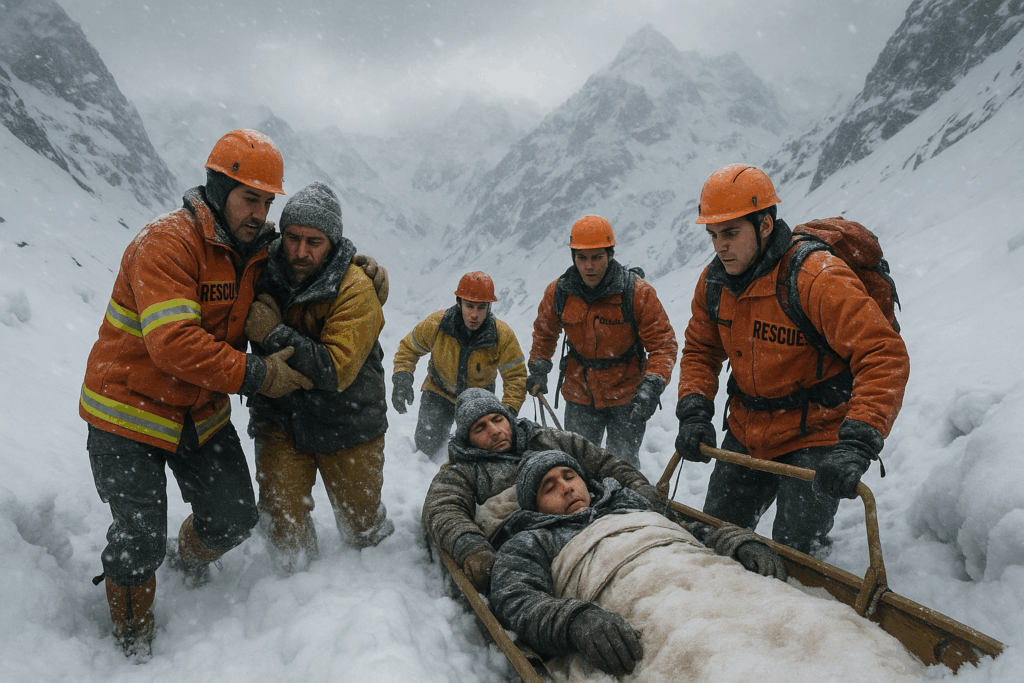
Picture this: It’s 5:30 AM on February 28, 2025. Construction workers at a Border Roads Organisation camp near Mana village are just starting their day. The Uttarakhand Tragedy strikes without warning; a massive avalanche buries 54 workers inside eight containers and a shed at an altitude of over 10,000 feet, close to the India-China border. By the time rescue operations concluded 60 hours later, eight lives were lost to the white monster that has been growing hungrier with each passing year.
This wasn’t just another mountain accident. It was a wake-up call about how our warming planet is turning the Himalayas into a ticking time bomb.
Climate Change is Making Avalanches Deadlier
Here’s a fact that will keep you awake at night: The Himalayan region is warming faster than the rest of the world, raising questions about what climate change – with snow lines retreating and glaciers melting ; might mean for the frequency and destructiveness of avalanches across the 2,500-kilometre Himalayan range.
Scientists have discovered something chilling. Climate warming is impacting the cryosphere in high mountain ranges, thereby enhancing the probability for more and larger mass-wasting processes to occur. Translation? We’re literally cooking the mountains, and they’re responding by becoming more violent.
Why This Matters to You (Even if You Never Climb Mountains)
Think avalanches only affect mountaineers? Think again. These disasters impact:
- Infrastructure development along critical border areas
- Tourism economies worth billions
- Water security for millions downstream
- Strategic defense installations
- Local communities who call these mountains home
How Warming Creates Avalanche Monsters
Temperature Tantrums Create Deadly Conditions
According to research, in warming seasons, the ground becomes warmer than in December-January and the density of fresh snow is less. This fresh snow is unable to hold on to the ground. When there is heavy snowfall, the weakly held snow on the ground below slips and an avalanche occurs.
It’s like building a house of cards on a shaking table; eventually, everything comes crashing down.
When Water Becomes the Enemy
Rising temperatures, increased rain and less snowfall are changing the nature of snow in the Himalayas. One consequence is more frequent, more dangerous avalanches. Rain on snow creates a lubricating layer that acts like a slip-and-slide for thousands of tons of ice and snow.
Nature’s Deadly Game of Jenga
The Himalayas are experiencing:
- Later snowfall seasons
- More intense but shorter snow events
- Higher freeze-thaw cycles
- Unstable snow layers that stack like geological time bombs
Stories That Will Break Your Heart
The 2025 Uttarakhand tragedy wasn’t an isolated incident. In 2022, an avalanche also killed 27 trainee mountaineers in Uttarakhand, while a glacier that burst in 2021 triggered a flash flood and left more than 200 people dead.
Each number represents a family shattered, dreams buried under tons of snow and ice. These weren’t just statistics; they were sons, fathers, breadwinners working to build critical infrastructure in one of the world’s most challenging environments.
Building in a War Zone Against Nature
The Border Challenge
Construction camps like the one hit in the Uttarakhand tragedy operate in avalanche-prone zones because they must. Border infrastructure can’t simply relocate to safer areas; strategic necessity trumps safety considerations.
When Safety Measures Become Traps
The tragic irony? Workers were buried inside eight containers and a shed; structures designed to protect them from harsh weather became their tombs when the avalanche struck.
The Technology We Desperately Need
Current avalanche prediction relies on:
- Weather monitoring stations
- Snow depth measurements
- Historical pattern analysis
- Human observation (often inadequate in remote areas)
What we need:
- Real-time slope stability monitoring
- AI-powered avalanche prediction systems
- Automated early warning networks
- Advanced weather modeling for high-altitude regions
Heroes Fighting Against Time and Terrain
The 60-Hour Race Against Death
The rescue operation for the Uttarakhand tragedy lasted 60 grueling hours. With slight respite in the weather, three injured personnel were evacuated, but time is always the enemy in avalanche rescues.
The Altitude Factor
Operating at over 10,000 feet presents unique challenges:
- Reduced oxygen affects rescue efficiency
- Helicopter operations become dangerous
- Equipment freezes and fails
- Rescuers battle altitude sickness while saving lives
Technology Gaps in Remote Rescue
We need:
- Drone swarms for rapid victim location
- Heated rescue pods for extended operations
- Advanced communication systems
- Portable medical facilities for high-altitude emergencies
The Future of Avalanche Safety
AI-Powered Early Warning Systems
Imagine a system that could predict the 2025 Uttarakhand tragedy hours before it happened. AI systems can analyze:
- Micro-climate changes
- Snow layer composition
- Slope angle variations
- Historical avalanche patterns
- Seismic activity that might trigger slides
Smart Slope Management
Controlled avalanche management involves:
- Strategic explosive triggering during safe periods
- Snow fencing and deflection barriers
- Slope angle modification
- Vegetation management for natural avalanche control
Satellite Monitoring Revolution
Modern satellites can:
- Track snow accumulation patterns
- Identify unstable slopes
- Monitor temperature fluctuations
- Provide real-time hazard maps
The Uttarakhand Tragedy’s Lasting Lessons
Lesson 1: Climate Change Isn’t Coming; It’s Here
The frequency and intensity of Himalayan avalanches are increasing. This isn’t a future problem; it’s happening now.
Lesson 2: Traditional Safety Measures Need Updates
“People will get in trouble if they rely on what they knew in the past,” warns American glaciologist Tad Pfeffer. Historical avalanche patterns no longer predict future risks.
Lesson 3: Technology Must Lead the Way
Human observation alone cannot keep pace with rapidly changing mountain conditions. We need technology-driven solutions.
Lesson 4: International Cooperation Is Essential
Avalanche research and rescue require global collaboration. The Himalayas span multiple countries, and so must our solutions.
Turning Tragedy into Action
Support Research Initiatives
Contribute to organizations studying climate change impacts on mountain safety.
Advocate for Policy Changes
Push for stronger environmental regulations and avalanche safety standards.
Spread Awareness
Share this article and discuss avalanche risks with friends and family.
Consider the Bigger Picture
Every action to combat climate change helps reduce avalanche risks.
Nikhil Raj Sharma, Founder of Himalayan Geographic, reflects:
“The 2025 Uttarakhand tragedy represents more than just another mountain accident; it’s a stark reminder that our beloved Himalayas are changing faster than we can adapt. As someone who has spent decades documenting these majestic peaks, I’ve witnessed firsthand how climate change is reshaping the mountain environment we thought we knew.”
“Every avalanche tells a story of atmospheric change, and unfortunately, the story our mountains are telling us is one of increasing instability and unpredictability. The brave workers who lost their lives weren’t just building roads; they were building connections between communities and nations. Their sacrifice reminds us that mountain safety isn’t just about individual climbers; it’s about protecting entire communities and critical infrastructure.”
“At Himalayan Geographic, we believe that understanding these changes is the first step toward adaptation. The Uttarakhand tragedy should serve as a catalyst for better avalanche prediction technology, improved safety protocols, and most importantly, serious action on climate change mitigation.”
Your Voice Matters
The 8 workers who died in the 2025 Uttarakhand tragedy cannot speak for themselves anymore. But you can speak for them. You can demand better safety measures, support climate action, and ensure their sacrifice wasn’t in vain.
What’s your experience with mountain safety or climate change impacts? Have you witnessed changing weather patterns in your region? Share your stories in the comments below; every voice adds to the urgency of addressing these challenges.
Related Articles You Should Read:
- “Himalayan Glacier Melt: The Invisible Crisis Affecting Millions“
- “Climate Refugees: When Mountains Become Uninhabitable“
“We strive to use only images that are either royalty-free, in the public domain, or shared with appropriate permissions. However, if you believe any image on this website has been used without proper credit or violates copyright, please contact us immediately. We will promptly review the content and, if necessary, update the attribution or remove the image without delay. We do not claim ownership of any third-party images unless explicitly stated.”