
How the Leh to Tawang tourism boom threatens fragile Himalayan ecosystems. Learn about sustainable travel solutions that can save this paradise from environmental collapse while supporting local communities.
Did you know that the number of tourists traveling from Leh to Tawang has increased by 400% in just five years? This staggering statistic represents both a triumph and a tragedy. While remote Himalayan communities finally taste economic prosperity, their pristine paradise faces an unprecedented crisis that could destroy centuries of natural balance forever.
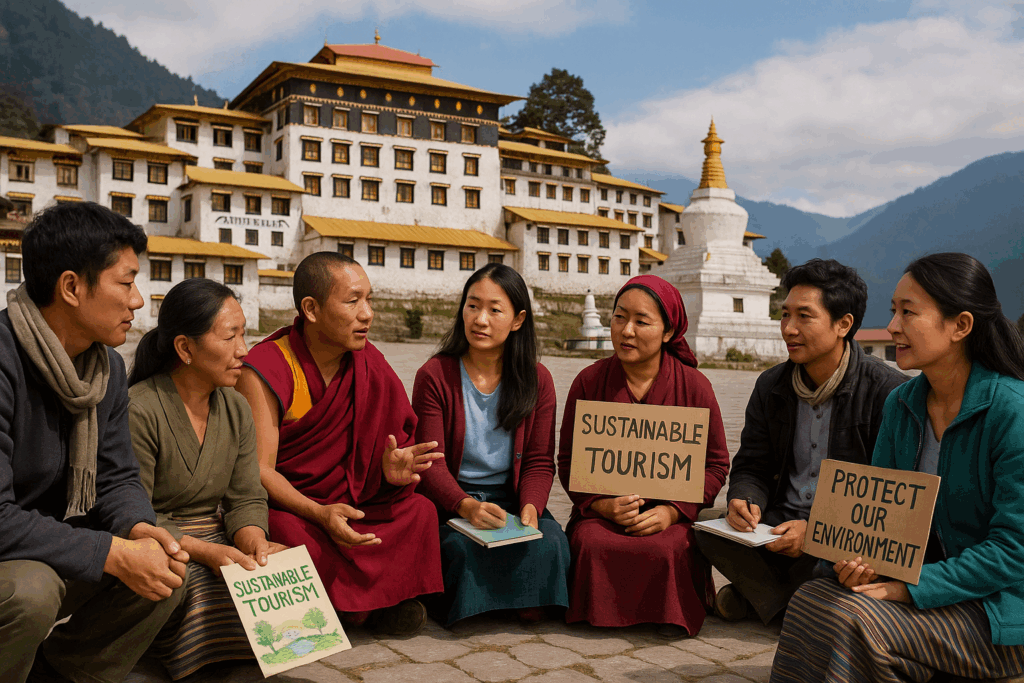
Picture this: ancient monasteries that once echoed only with prayer bells now vibrate with diesel engines. Pristine mountain streams that sustained wildlife for millennia now struggle under the weight of plastic bottles and human waste. This is the harsh reality of uncontrolled tourism along one of Asia’s most spectacular routes.
The Tourism Explosion That’s Changing Everything
The Leh to Tawang corridor has become India’s hottest adventure destination. Social media influencers flock here for Instagram-worthy shots, luxury hotels mushroom overnight, and traffic jams now plague mountain passes that once knew only silence.
The numbers tell a devastating story:
- Tourist arrivals increased from 50,000 to 250,000 annually since 2019
- Infrastructure development projects grew by 300%
- Waste generation jumped from 2 tons to 15 tons daily
- Water consumption doubled, straining local resources
This boom started when travel restrictions eased and adventure tourism gained popularity. Suddenly, everyone wanted to experience the “Last Shangri-La” before it disappeared. Ironically, their very presence might make that prophecy come true.
Walking on Thin Ice
The Himalayan ecosystem between Leh and Tawang represents one of Earth’s most delicate environments. This high-altitude desert transitions into alpine forests, creating unique biodiversity hotspots that took millions of years to develop.
Unique Biodiversity Under Threat
The region hosts endangered species like:
- Snow leopards (fewer than 500 remain in the area)
- Red pandas struggling with habitat fragmentation
- Himalayan blue sheep facing grazing competition
- Over 200 bird species disrupted by noise pollution
Here’s what most tourists don’t realize: Every footstep at this altitude can take decades to heal. The permafrost that holds mountains together is melting faster due to increased human activity and climate change combined.
Sensitive Terrain Breaking Point
Mountain slopes face erosion from new road construction. Sacred lakes show signs of contamination from untreated sewage. Alpine meadows, trampled by thousands of boots, lose their ability to prevent landslides.
Dr. Sarah Chen, a glaciologist studying the region, warns: “We’re witnessing irreversible changes happening in real-time. The ecosystem’s carrying capacity was exceeded five years ago.”
Blessing or Curse?
For generations, communities along this route survived through subsistence farming and yak herding. Tourism brought unprecedented opportunities but also challenges that threaten their very identity.
Economic Benefits That Changed Lives
Positive impacts include:
- Average household income increased by 250%
- Employment opportunities for educated youth
- Women entrepreneurs running homestays and cafes
- Traditional crafts finding new markets
Tenzin Norbu, a homestay owner in Tawang, shares: “Tourism saved my family from poverty. My children can now afford education. But sometimes I wonder if we’re selling our souls.”
Cultural and Resource Strain
The downside reveals itself daily:
- Traditional festivals become commercialized performances
- Sacred sites lose their spiritual significance
- Local languages mixing with tourist-friendly English
- Water shortages forcing families to buy bottled water
Most heartbreaking of all: Children growing up preferring Western food over traditional cuisine, losing connection with their heritage.
Building Paradise to Death
The rush to accommodate tourists has led to construction chaos that ignores environmental regulations and local needs.
Overbuilding Without Planning
New hotels and restaurants pop up without proper waste management systems. Concrete structures replace traditional stone and wood architecture. Parking lots pave over grazing lands that sustained communities for centuries.
The construction frenzy includes:
- 200+ new hotels built since 2020
- Road widening projects destroying ancient trees
- Helicopter pads carved into pristine landscapes
- Cell towers disrupting wildlife migration patterns
Traffic and Waste Management Crisis
Mountain roads designed for yaks now struggle with SUV convoys. Traffic jams at 14,000 feet create dangerous situations when weather changes rapidly.
Waste management presents the biggest nightmare. Remote locations make garbage disposal nearly impossible. Burning plastic pollutes the thin air, while burying waste contaminates groundwater.
The Multiplying Factor
Global warming amplifies every tourism-related problem. Rising temperatures melt permafrost, destabilize slopes, and alter precipitation patterns that sustained the region’s delicate balance.
How Warming Amplifies Tourism Damage
Temperature increases cause:
- Glacial lake formation threatening downstream communities
- Changing vegetation patterns affecting wildlife
- Unpredictable weather making travel dangerous
- Water source depletion during peak tourist seasons
The cruel irony: Tourists fly thousands of miles (contributing to climate change) to see glaciers that their carbon footprint helps melt.
Extreme Weather Events
Climate change brings more frequent storms, landslides, and flash floods. Tourism infrastructure, built quickly and cheaply, cannot withstand these events. Recovery efforts further damage the environment.
Recent disasters include:
- 2023 flash flood destroying 15 hotels
- Landslides blocking roads for weeks
- Unexpected snowstorms stranding thousands
- Drought forcing tourist season cancellations
Hope in Action
Despite these challenges, innovative solutions emerge from communities determined to save their paradise while maintaining livelihoods.
Eco-Tourism Success Stories
Community-based initiatives showing promise:
- Village tourism cooperatives limiting daily visitors
- Waste-to-energy projects powering remote villages
- Traditional architecture requirements for new construction
- Local guide training programs
Carbon offset programs allow tourists to fund reforestation projects. Solar energy installations reduce dependence on diesel generators. Organic farming initiatives supply hotels with local produce.
Policy Changes Making a Difference
Progressive policies include:
- Tourist quota systems during peak seasons
- Mandatory environmental impact assessments
- Heritage conservation funds from tourism revenue
- Plastic-free zone declarations
The Ladakh government pioneered a “carbon-neutral tourism” initiative requiring tour operators to offset emissions through local environmental projects.
Responsible Travel Practices
Travelers can make a difference by:
- Choosing homestays over luxury hotels
- Carrying reusable water bottles and bags
- Following designated trails and camping areas
- Supporting local artisans and organic farmers
- Traveling in smaller groups during off-seasons
Real Stories from the Ground
Pemba Sherpa, a local guide, reflects: “My grandfather showed me snow leopard tracks when I was five. Now my son asks why we don’t see them anymore. Tourism brought money, but it might cost us everything that made life here magical.”
Lisa Thompson, a responsible traveler, shares: “I visited Tawang twice ; once as a typical tourist, then as a volunteer with a conservation group. The second trip showed me how tourism can heal rather than harm when done thoughtfully.”
Balancing Dreams and Reality
The Leh to Tawang corridor stands at a crossroads. One path leads to short-term profits and long-term destruction. The other requires sacrifice, planning, and genuine commitment to sustainability from all stakeholders.
What Success Looks Like
Imagine a future where:
- Tourist numbers align with carrying capacity
- Local communities lead conservation efforts
- Traditional culture thrives alongside modern amenities
- Wildlife populations recover and stabilize
- Climate resilience becomes standard practice
The Role of Every Stakeholder
Government must:
- Enforce environmental regulations strictly
- Invest in sustainable infrastructure
- Support community-based tourism initiatives
- Create economic incentives for conservation
Tour operators should:
- Prioritize quality over quantity
- Train guides in environmental awareness
- Partner with local conservation groups
- Promote off-season and dispersed tourism
Travelers need to:
- Research and choose responsible operators
- Respect local customs and environments
- Minimize their environmental footprint
- Share positive examples through social media
Emergency Measures for Immediate Action
The situation demands urgent intervention:
- Immediate tourist caps during peak seasons
- Mandatory waste management bonds for all operators
- Community benefit sharing from tourism revenue
- Rapid response teams for environmental emergencies
- Alternative livelihood programs reducing tourism dependence
Nikhil Raj Sharma, Founder of Himalayan Geographic, emphasizes: “The Leh to Tawang corridor represents both our greatest opportunity and our biggest responsibility. We must act now to ensure this paradise survives for future generations. Sustainable tourism isn’t just an option ; it’s an emergency.”
Additional expert perspectives:
“Tourism can be a force for conservation if managed properly. The key is ensuring local communities lead the process.” ; Dr. Maria Rodriguez, Conservation Biologist.
“We’re at a tipping point. The next five years will determine whether this region becomes a success story or a cautionary tale.” ; James Mitchell, Sustainable Tourism Consultant.
Taking Action Today
The fate of the Leh to Tawang corridor rests in our collective hands. Every booking decision, policy choice, and travel practice matters. This isn’t just about preserving beautiful landscapes ; it’s about respecting indigenous cultures, protecting endangered species, and ensuring sustainable livelihoods for mountain communities.
The time for half-measures has passed. We need radical changes in how we approach Himalayan tourism. The question isn’t whether we can afford to implement sustainable practices ; it’s whether we can afford not to.
What role will you play in preserving this paradise? Share your thoughts and experiences in the comments below. Together, we can ensure that future generations inherit the same breathtaking beauty that draws us to these sacred mountains today.
Related Articles:
- “Climate Change in the Himalayas: What Every Traveler Should Know“
- “Community-Based Tourism: Success Stories from Ladakh“
“We strive to use only images that are either royalty-free, in the public domain, or shared with appropriate permissions. However, if you believe any image on this website has been used without proper credit or violates copyright, please contact us immediately. We will promptly review the content and, if necessary, update the attribution or remove the image without delay. We do not claim ownership of any third-party images unless explicitly stated.”