
“Discover the 7 essential preparation steps for your Annapurna Nepal Base Camp trek. From physical training to cultural etiquette, this comprehensive guide ensures Himalayan success.”
Dreaming of standing beneath the towering Annapurna massif? This comprehensive guide reveals everything you need to know before embarking on Nepal’s most awe-inspiring moderate trek.
Have you ever imagined waking up surrounded by a natural amphitheater of 7,000+ meter Himalayan giants? That dream becomes reality at Annapurna Nepal Base Camp; but only if you prepare properly. Many trekkers arrive in Nepal woefully underprepared, turning their bucket-list adventure into a struggle for survival.
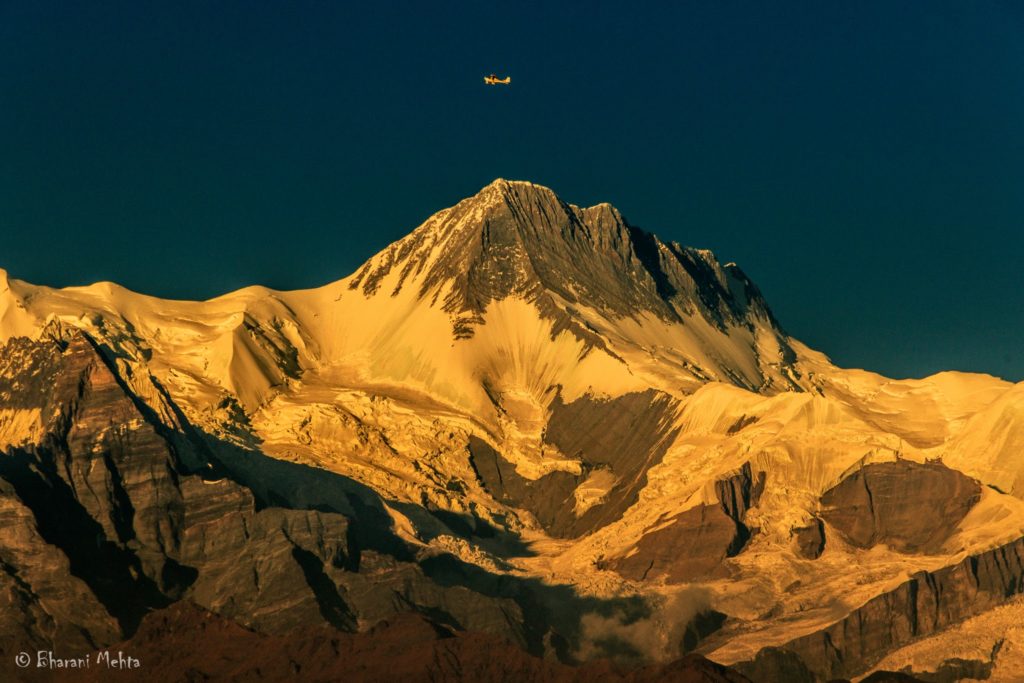
I still remember my first morning at Annapurna Nepal Base Camp; the golden sunlight slowly illuminating the massive south face of Annapurna I while I sipped steaming chai, my aching legs forgotten in the moment’s perfection. But that magical experience only happened because I’d done my homework months before.
The Ultimate Annapurna Nepal Base Camp Preparation Timeline
The journey to Annapurna Nepal Base Camp requires thoughtful preparation. Follow this timeline to ensure you’re ready for one of Nepal’s most rewarding treks.
6 Months Before: Research and Commit
The ABC trek isn’t Everest Base Camp’s famous cousin; it’s a spectacular adventure in its own right. At 4,130 meters (13,550 feet), it offers a more accessible altitude experience than EBC while delivering equally stunning mountain panoramas.
Key facts about the ABC trek:
- Duration: 7-12 days (depending on route and pace)
- Distance: Approximately 110-115 km round trip
- Maximum elevation: 4,130m (13,550ft)
- Best seasons: October-November and March-May
- Difficulty level: Moderate (requires basic fitness but no technical skills)
According to Nepal Tourism Board statistics, nearly 60% of trekkers who attempt ABC without proper preparation report significant difficulty, with 15% turning back before reaching the base camp. Don’t be one of them!
4-5 Months Before: Physical Training Begins
“The mountain doesn’t care how excited you are if your legs can’t carry you there,” as my Nepali guide Pemba told me halfway up a brutal staircase to Chhomrong.
Your physical preparation should include:
- Cardio conditioning: Build to 45-60 minutes of steady-state cardio 3-4 times weekly
- Strength training: Focus on legs (squats, lunges) and core twice weekly
- Weekend training hikes: Start with 2-3 hour hikes, building to 6-8 hour hikes with a loaded pack
The single most effective training? Stairs. Endless stairs. The ABC trek features over 23,000 stone steps throughout various sections. When I trained on the StairMaster at my gym, people thought I was crazy staying on for an hour; but those hours saved my trek.
3 Months Before: Permits and Logistics
This is when the real planning begins. You’ll need:
Permits required:
- Annapurna Conservation Area Permit (ACAP) – 3,000 NPR (approximately $22)
- TIMS Card (Trekkers’ Information Management System) – 2,000 NPR (approximately $15)
Logistics decisions:
- Guided vs. independent trekking
- Tea house accommodations vs. camping (tea houses are the standard choice)
- Hiring a porter vs. carrying everything yourself
Guided treks typically cost $800-1,500 depending on group size and inclusions. Independent trekkers should budget $25-40 per day for food and accommodation.
Pro tip: While guides aren’t mandatory, hiring a local guide enriches your experience tremendously. My guide Pemba shared stories about growing up in the shadow of Machhapuchhre that transformed my understanding of these sacred mountains.
2 Months Before: Gear Acquisition
Your gear can make or break your trek. The good news? You don’t need technical mountaineering equipment for ABC, but you do need quality basics.
Essential gear list:
- Footwear: Well-broken-in waterproof hiking boots with ankle support
- Backpack: 30-40L daypack (if using porters) or 50-60L pack (if carrying everything)
- Sleeping system: Lightweight sleeping bag (rated to at least -5°C/23°F)
- Clothing layers: Moisture-wicking base layers, insulating mid-layers, waterproof outer shell
- Accessories: Sun protection, trekking poles, headlamp, water purification system
One surprisingly essential item? Shower sandals. After a long day of trekking, the communal showers at tea houses become your sanctuary; if you’re prepared.
Remember that most equipment can be rented or purchased in Kathmandu or Pokhara, often at significant savings compared to Western prices. However, I strongly recommend bringing your own well-fitted boots and sleeping bag for comfort and hygiene.
1 Month Before: Health Preparations
Don’t let preventable health issues ruin your trek. Take care of:
- Vaccinations: Hepatitis A, Typhoid, COVID-19 booster
- Medications: Diamox (for altitude sickness), antibiotics, anti-diarrheals, pain relievers
- Insurance: Comprehensive travel insurance with emergency evacuation coverage (minimum $100,000)
A shocking 30% of trekkers experience some form of altitude-related symptoms. While ABC’s altitude is moderate, it’s still high enough to cause problems if you ascend too quickly.
The golden rule: Never ascend more than 500 meters per day once above 3,000 meters, and include rest/acclimatization days. When my trekking partner insisted on pushing through to Machhapuchhre Base Camp despite a headache, our guide firmly refused; a decision that likely prevented serious altitude sickness.
2 Weeks Before: Final Preparations
- Confirm all reservations and permits
- Break in new boots (if you haven’t already)
- Begin taking probiotics to strengthen your gut flora
- Check weather forecasts and make any seasonal adjustments to your packing list
1 Week Before: Mental Preparation
The Annapurna Base Camp trek isn’t just physically demanding; it’s mentally challenging too. Prepare yourself for:
- Long days of sustained effort (5-7 hours of walking daily)
- Basic accommodations with limited privacy
- Potential weather changes and itinerary adjustments
- Digital detox (limited or no connectivity)
What to Expect on the Trek
The typical ABC trek follows this rough itinerary:
- Day 1: Drive from Pokhara to Nayapul, trek to Tikhedhunga
- Day 2: Trek to Ghorepani
- Day 3: Sunrise at Poon Hill, trek to Tadapani
- Day 4: Trek to Chhomrong
- Day 5: Trek to Bamboo
- Day 6: Trek to Deurali
- Day 7: Trek to Annapurna Base Camp
- Day 8: Sunrise at ABC, trek down to Bamboo
- Day, 9-10: Return trek to Nayapul, drive to Pokhara
The landscape transforms dramatically throughout your journey; from terraced farmland and subtropical forests to alpine environments and finally the rock and ice world of the sanctuary itself.
Cultural Sensitivity and Etiquette
The ABC trek passes through areas inhabited by Gurung and Magar communities with distinct cultural traditions. Remember:
- Ask permission before photographing people
- Dress modestly (shoulders and knees covered)
- Learn basic Nepali greetings (“Namaste” goes a long way)
- Remove shoes before entering homes, temples or gompa
- Walk clockwise around religious monuments
When I shared photos with a Gurung family in Chhomrong using my camera’s LCD screen, their delight transformed a simple rest stop into one of my most cherished memories.
Sustainable Trekking Practices
The Annapurna region faces increasing environmental pressure from tourism. Do your part by:
- Using refillable water bottles with purification methods
- Carrying out all your trash
- Using biodegradable soaps and toiletries
- Minimizing plastic use
- Respecting wildlife and plant life
The shocking reality: over 15 tons of waste is collected from the Annapurna trekking routes annually. Be part of the solution, not the problem.
The Final Word: Is Annapurna Base Camp Right for You?
The ABC trek offers an accessible yet authentic Himalayan experience. It’s perfect for reasonably fit trekkers seeking spectacular mountain views without extreme altitude or technical challenges.
If you’ve dreamed of standing in the heart of the Himalayas, watching dawn break over some of the world’s most magnificent mountains, then yes; Annapurna Base Camp is absolutely worth every step of preparation.
What aspects of Himalayan trekking intrigue you most? Have you already started preparing for your adventure to Annapurna Base Camp? Share your questions or experiences in the comments below!
Related articles:
- [Essential Gear for Himalayan Trekking: What You Really Need]
- [Understanding Altitude Sickness: Prevention and Treatment]
- [Nepal’s Tea House Trekking Culture: What to Expect]
- [The Ultimate Guide to Trekking in Nepal: Top Routes, Tips, and What to Expect]
We strive to use only images that are either royalty-free, in the public domain, or shared with appropriate permissions. However, if you believe any image on this website has been used without proper credit or violates copyright, please contact us immediately. We will promptly review the content and, if necessary, update the attribution or remove the image without delay. We do not claim ownership of any third-party images unless explicitly stated.